
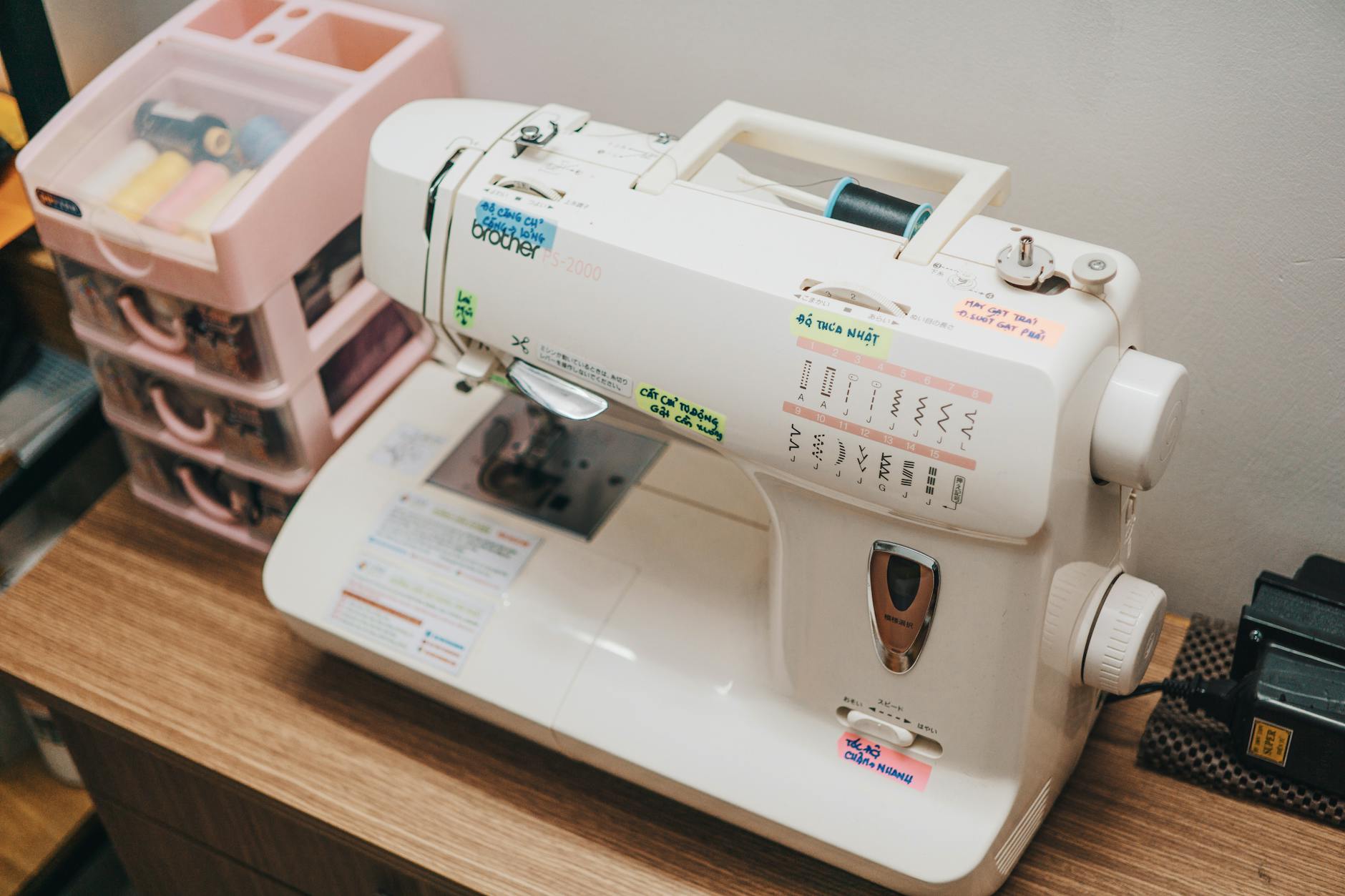
Ghana, a nation renowned for its vibrant textiles and rich tailoring traditions, is witnessing a surge in popularity of electric sewing machines. These machines, once considered luxury items, are now increasingly accessible to everyday Ghanaians, transforming the way clothes are made, repaired, and dreamed up.
From Treadle to Plug: Traditionally, Ghanaian tailoring relied on treadle sewing machines, requiring manual foot-power to operate. While still prevalent, electric machines offer several advantages. They are faster, quieter, and easier to use, especially for beginners. This efficiency allows tailors to take on more orders and complete them in less time, boosting their income and catering to a growing demand for custom clothing.
Beyond Basic Stitches: Modern electric machines come packed with features that go beyond simple straight lines. Many offer a range of built-in stitches, from zigzag to buttonhole, enabling tailors to create intricate embellishments and professional finishes. This opens doors to new design possibilities, catering to diverse styles and preferences.
Empowering Entrepreneurs: Electric sewing machines are not just tools for tailors; they are powerful tools for entrepreneurs. With a machine and a skilled hand, individuals can launch their own clothing businesses, creating unique pieces and generating income. This is particularly empowering for women, who traditionally dominate the tailoring trade, giving them greater control over their livelihoods and economic independence.
Challenges and Opportunities: Despite the benefits, challenges remain. Access to electricity, particularly in rural areas, can be limited. Additionally, the initial cost of purchasing a machine can be a barrier for some. However, initiatives by government agencies, NGOs, and private companies are addressing these challenges by providing access to financing, training programs, and even solar-powered sewing machines.
A Stitch in Time Saves Nine: Electric sewing machines are not just changing the way clothes are made; they are stitching together a brighter future for many Ghanaians. By boosting productivity, creativity, and entrepreneurial opportunities, these machines are empowering individuals and contributing to the nation’s economic growth. As Ghana continues to weave its own unique textile story, the hum of electric sewing machines will undoubtedly be a part of its vibrant soundtrack.