Posted on

Electric Sewing Machines: A Stitch Above the Rest in Ghana

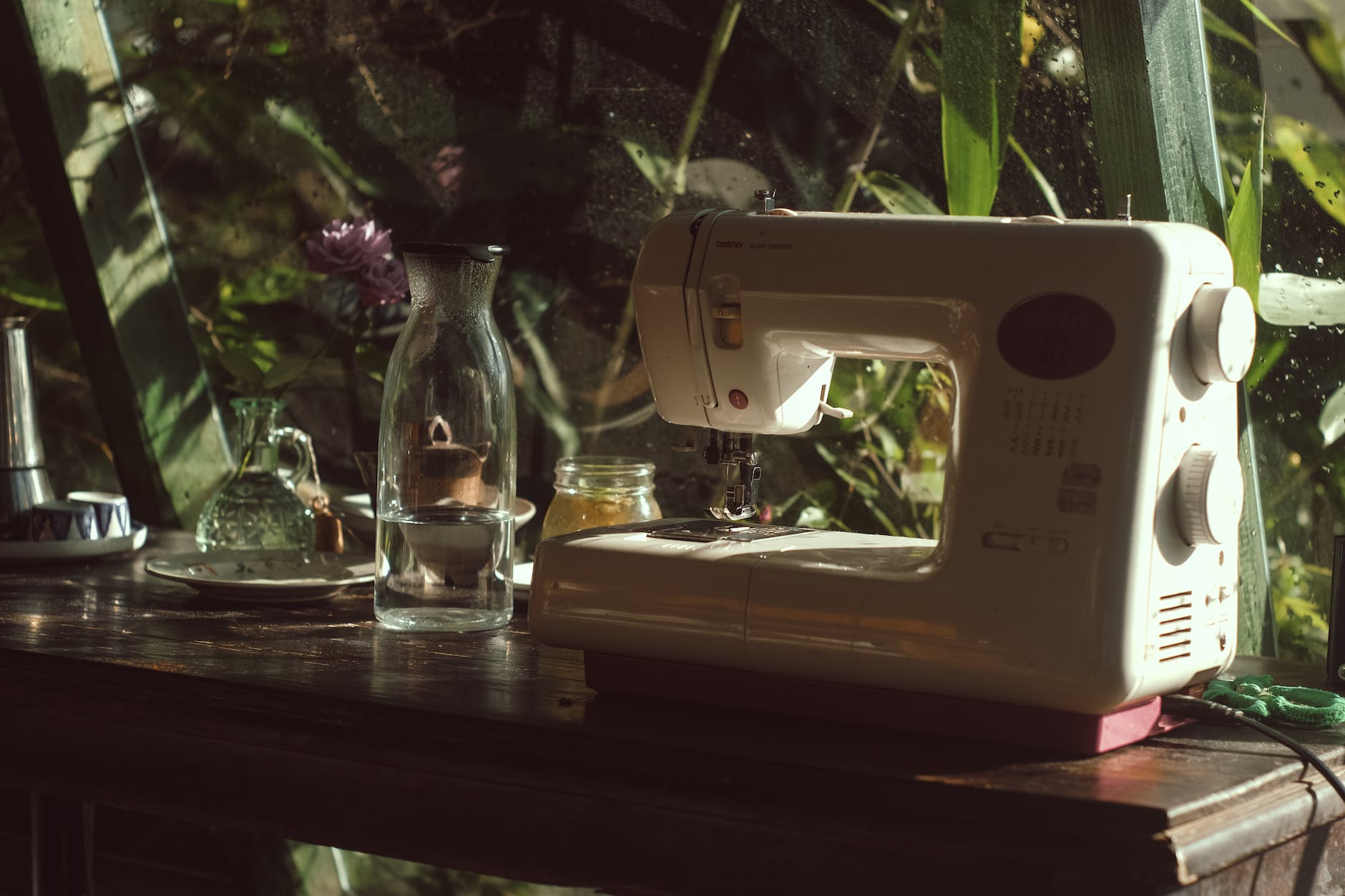
shallow focus photo of sewing machine

Electric sewing machines have revolutionized the sewing industry in Ghana, transforming it from a labor-intensive practice to a more efficient and productive one. These machines have not only empowered individual tailors and seamstresses but also boosted the growth of small-scale garment production, creating jobs and contributing to the Ghanaian economy.

The Rise of Electric Sewing Machines in Ghana

Traditionally, sewing in Ghana was done by hand, a slow and tedious process. The introduction of treadle sewing machines in the early 20th century marked a significant improvement, but it was the arrival of electric sewing machines in the latter half of the century that truly revolutionized the craft.

Electric sewing machines offered several advantages over their manual counterparts. They were faster, easier to operate, and more versatile. They could handle a wider range of fabrics and stitches, making them ideal for creating more intricate and elaborate designs.

The Impact of Electric Sewing Machines

The widespread adoption of electric sewing machines has had a profound impact on the Ghanaian sewing industry. It has:

  • Increased productivity: Electric machines have significantly reduced the time and effort required to sew garments. This has allowed tailors and seamstresses to produce more clothes in a shorter time, leading to increased income and business growth.
  • Improved quality: Electric machines provide greater control and precision over stitching, resulting in garments with better quality and finish.
  • Enhanced creativity: The versatility of electric machines has opened up new possibilities for creative expression. Tailors and designers can now experiment with different stitches, fabrics, and embellishments to create unique and stylish garments.
  • Created jobs: The growth of the sewing industry has led to the creation of new jobs, both directly in garment production and in supporting industries such as fabric supply and machine repair.

Challenges and Opportunities

Despite the positive impact of electric sewing machines, there are still some challenges facing the industry in Ghana. These include:

  • Access to finance: The initial cost of purchasing an electric sewing machine can be a barrier for some aspiring tailors and seamstresses.
  • Availability of spare parts: The lack of readily available spare parts for some machines can lead to downtime and lost income.
  • Training and skills development: More needs to be done to provide training and skills development opportunities for tailors and seamstresses to help them fully utilize the potential of electric sewing machines.

Despite these challenges, the future of electric sewing machines in Ghana is bright. The growing demand for locally-made garments, coupled with government initiatives to support the industry, creates a promising outlook for the sector. With continued investment and support, electric sewing machines can continue to play a vital role in empowering Ghanaian tailors and seamstresses, driving economic growth, and preserving the country’s rich textile heritage.

Some of the Popular Electric Sewing Machine Brands in Ghana

  • Singer
  • Brother
  • Juki
  • Jack
  • Butterfly

These brands offer a variety of electric sewing machines to suit different needs and budgets. When choosing a machine, it is important to consider factors such as your budget, sewing experience, and the types of projects you will be working on.

I hope this article has given you a brief overview of electric sewing machines in Ghana. If you are interested in learning more about sewing or starting your own sewing business, I encourage you to do some research and talk to experienced tailors and seamstresses in your community.

I would also like to add that the Ghanaian government has taken steps to support the growth of the sewing industry. In 2019, the government launched the “One District, One Factory” initiative, which aims to establish at least one factory in each of Ghana’s 226 districts. The initiative includes a focus on garment production, and several factories have already been established that produce clothing using electric sewing machines.

I believe that electric sewing machines have the potential to play a significant role in the development of Ghana’s economy. By empowering tailors and seamstresses, these machines can create jobs, boost incomes, and contribute to the growth of the garment industry. With continued investment and support, electric sewing machines can help Ghana stitch a brighter future for itself.
Posted on

Stitching Success: The Rise of Electric Sewing Machines in Ghana

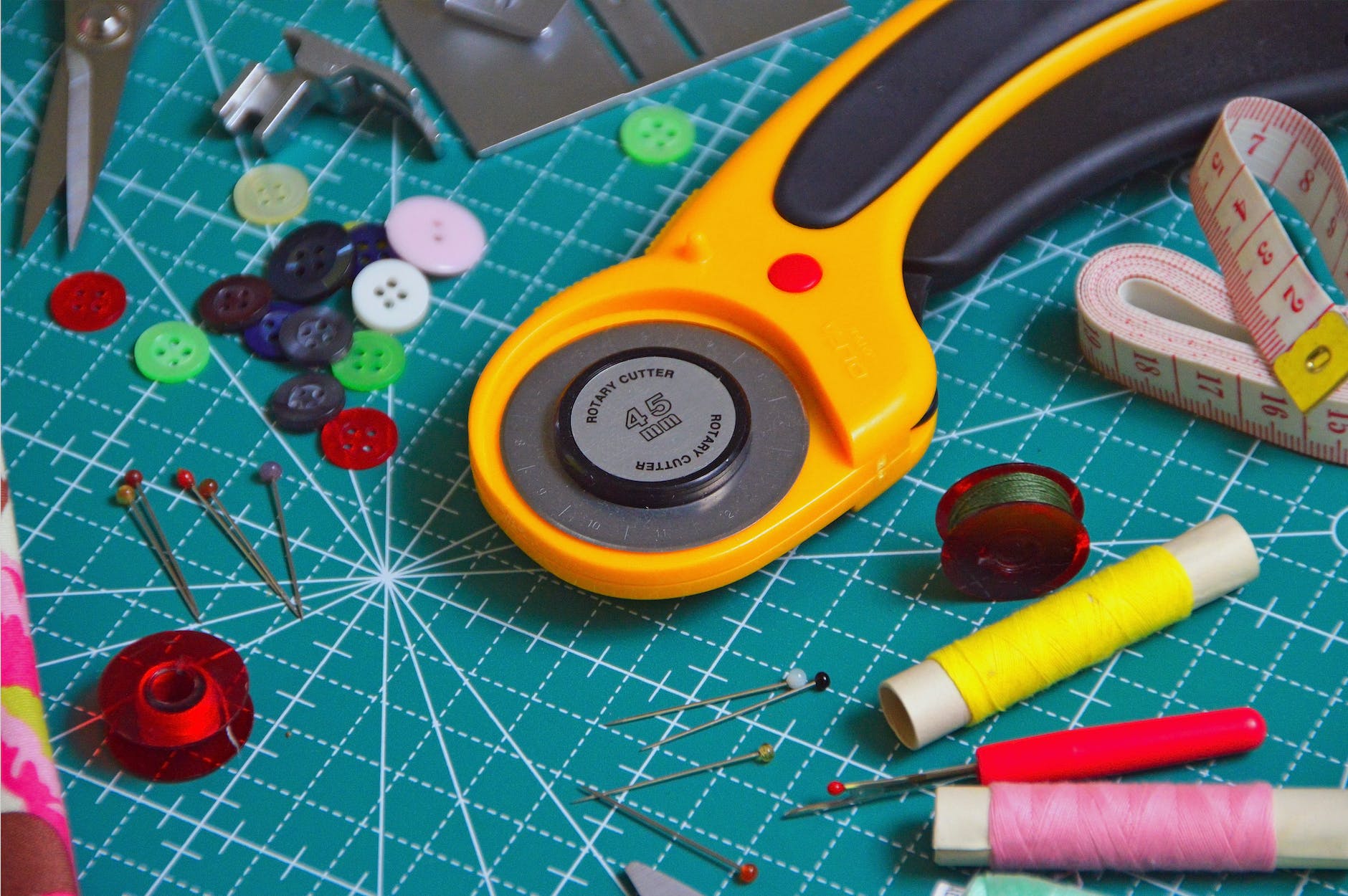
assorted color sewing machine

Ghana’s vibrant textiles and thriving fashion scene are woven together by a new thread: the electric sewing machine. Once a luxury reserved for professional tailors, these machines are now buzzing in homes and workshops across the country, empowering individuals and transforming livelihoods.

From Tradition to Technology:

For generations, Ghanaians relied on manual treadle sewing machines, a skill passed down through families. While these machines continue to hold cultural significance, electric sewing machines offer undeniable advantages. They’re faster, quieter, and easier to use, reducing fatigue and allowing sewers to tackle larger projects with greater precision.

Fueling Entrepreneurial Dreams:

The affordability and accessibility of electric sewing machines are fueling a wave of entrepreneurship. Tailors are expanding their businesses, taking on more clients, and creating new income streams. Women, especially, are finding economic independence by starting home-based sewing businesses, designing and producing clothing, accessories, and even home goods.

Beyond Basics:

The market is not just about basic machines. Advanced models with features like automatic needle threading, built-in stitch patterns, and even computer-aided design are finding their way into Ghanaian hands. This opens doors to more complex garment construction, embroidery, and even personalized designs, further boosting creativity and income potential.

Challenges and Opportunities:

Despite the surge in popularity, challenges remain. Access to reliable electricity can be a hurdle in some areas. Additionally, training and maintenance support are crucial to ensure long-term use of these machines. Investing in skills development programs and readily available spare parts can unlock the full potential of electric sewing machines in Ghana.

A Stitched Future:

The whirring of electric sewing machines across Ghana is a testament to the country’s entrepreneurial spirit and its embrace of technology. These machines are not just tools; they are threads of hope, weaving a future of empowerment, creativity, and economic prosperity, one stitch at a time.

Posted on

Stitching Progress: The Rise of Industrial Sewing Machines in Ghana

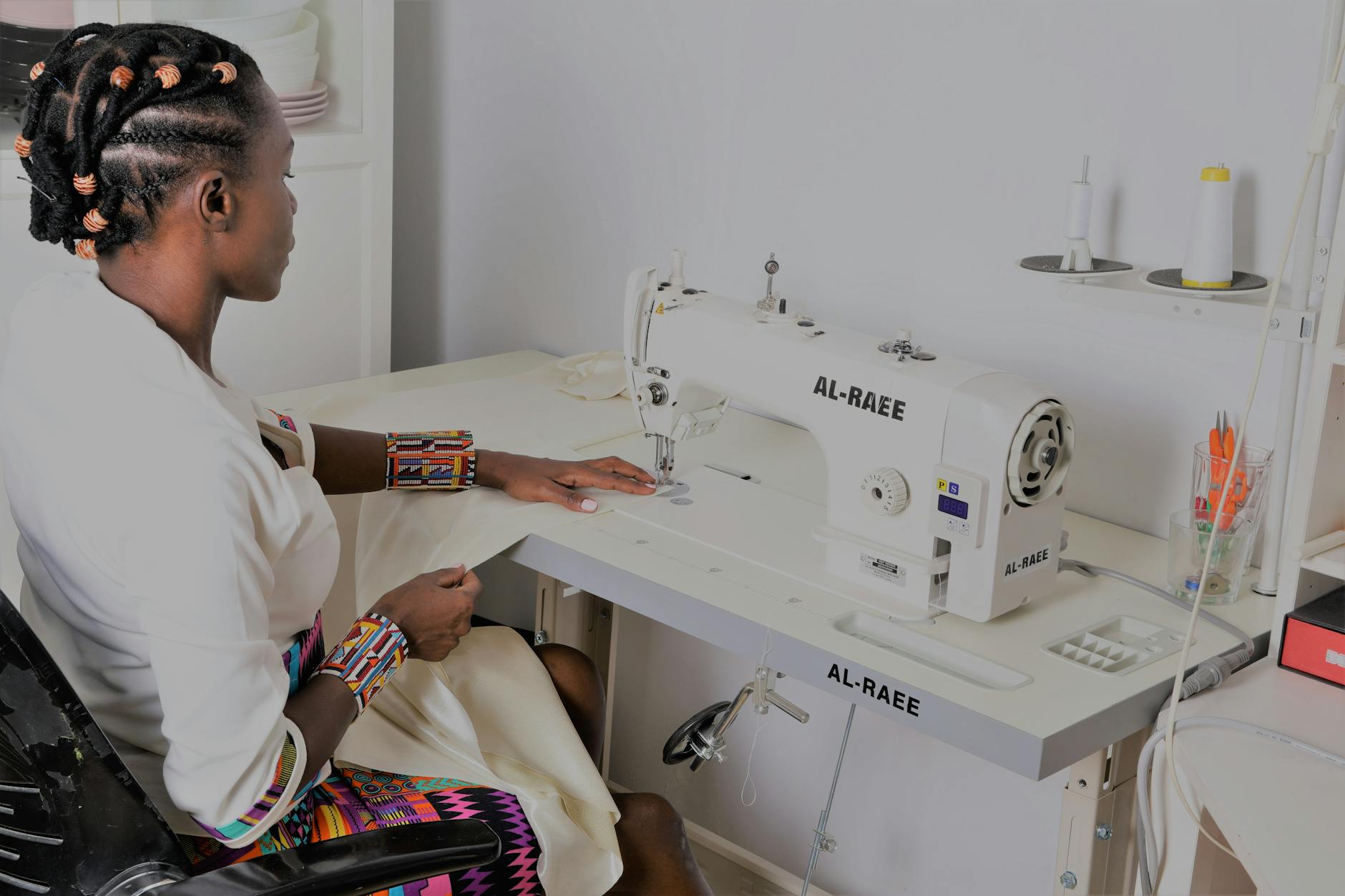
young woman sitting by a sewing machine

Ghana’s vibrant textile industry pulsates with the rhythmic hum of industrial sewing machines. From bustling marketplaces to burgeoning garment factories, these powerful tools are fueling a surge in creativity and production, weaving dreams into threads of prosperity.

From Humble Beginnings: Traditionally, Ghanaian garments were crafted with hand-operated sewing machines, a practice demanding immense skill and patience. While still cherished for their artistry, these machines couldn’t keep pace with the growing demand for affordable, readily available clothing. The arrival of industrial sewing machines in the late 20th century marked a turning point. Their speed, efficiency, and versatility breathed new life into the sector.

Fueling a Fashion Revolution: Today, industrial sewing machines are the backbone of Ghana’s garment production. Small workshops and large factories alike rely on these workhorses to stitch together everything from school uniforms to exquisite kente cloths. The variety of machines is staggering, catering to diverse needs. Lockstitch machines churn out sturdy denim jeans, while overlock machines add delicate finishing touches to airy chiffon dresses. Embroidery machines paint intricate patterns on fabrics, transforming blank canvases into vibrant masterpieces.

Beyond Garments: The impact of industrial sewing machines extends far beyond the realm of fashion. They empower entrepreneurs, fostering the growth of small and medium-sized businesses. Local designers can translate their visions into tangible garments, building self-sufficient brands and creating employment opportunities. Leatherworkers transform hides into durable bags and shoes, while upholsterers breathe new life into furniture.

Challenges and Opportunities: Despite the undeniable benefits, challenges remain. Access to financing for purchasing and maintaining machines can be a hurdle for budding entrepreneurs. Additionally, skills training is crucial to ensure efficient operation and prevent damage to expensive equipment. Nevertheless, initiatives like vocational training programs and microloan schemes are paving the way for a brighter future.

A Stitch in Time Saves Nine: The industrial sewing machine is not just a tool; it’s a symbol of progress and resilience. With each whirring gear and rhythmic needle dance, it stitches together not just fabrics, but also dreams and livelihoods. As Ghana’s garment industry continues to flourish, the humble industrial sewing machine remains its steady heart, propelling the nation towards a future woven with prosperity and self-reliance.