Posted on

How to Fix Industrial Sewing Machine: Mastering the Art of Repairing Industrial Sewing Machines – A Comprehensive Guide

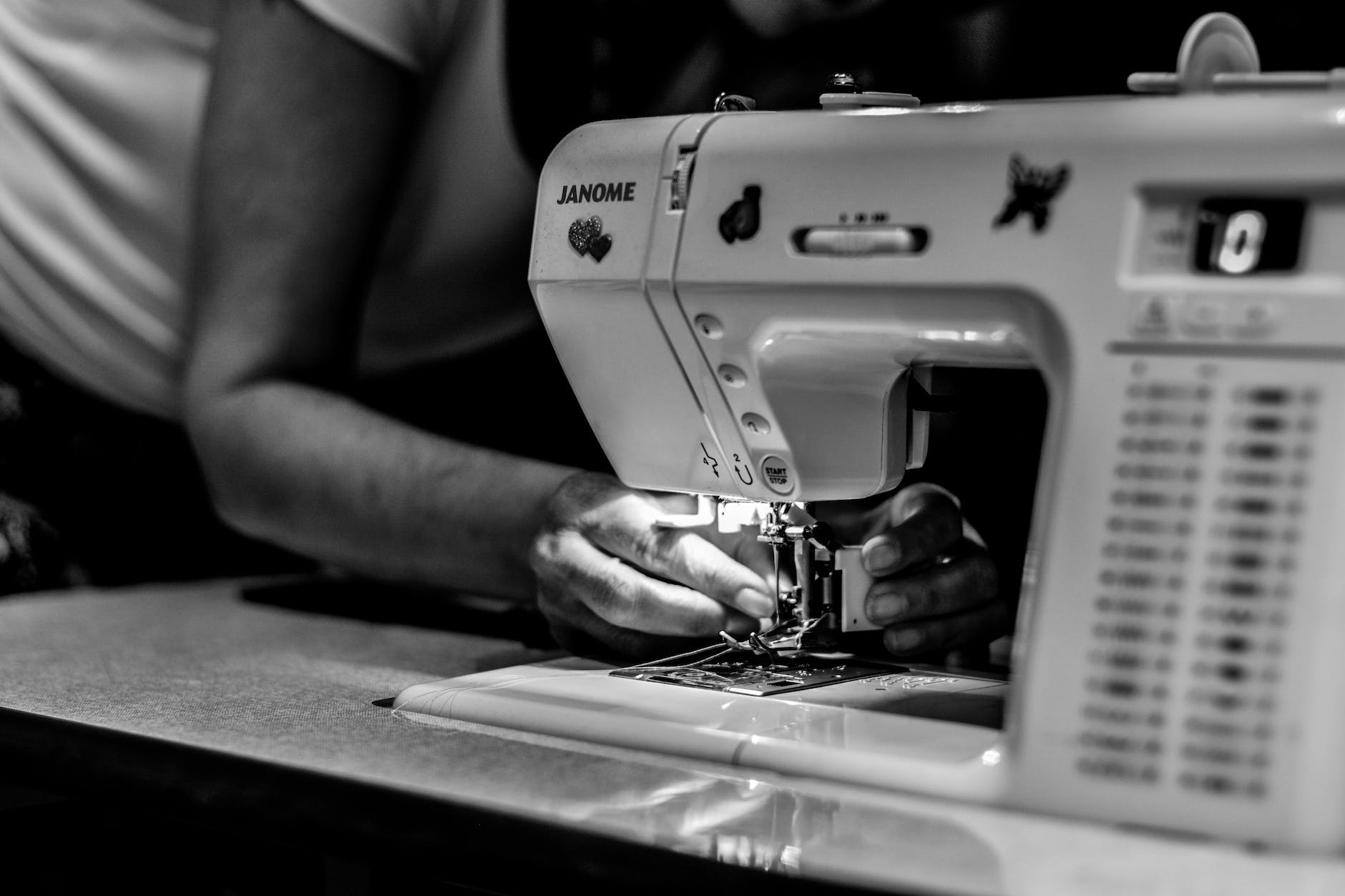
grayscale photo of man holding tools

Industrial sewing machines are the workhorses of the textile industry, essential for producing garments, upholstery, accessories, and a wide range of other textile products. 

However, like any mechanical device, industrial sewing machines can encounter issues that require troubleshooting and repair. Whether you’re a professional sewing machine technician or a hobbyist looking to maintain your equipment, knowing how to fix common problems is invaluable. 

In this comprehensive guide, we’ll explore step-by-step procedures for diagnosing and repairing common issues that may arise with industrial sewing machines.

Understanding the Basics:

Before diving into the repair process, it’s essential to familiarize yourself with the basic components of an industrial sewing machine. 

These may include the needle, presser foot, feed dog, tension discs, bobbin case, hook assembly, and various mechanical and electronic controls. Understanding how these components interact during the sewing process will help you identify potential sources of problems.

Diagnosis:

The first step in fixing an industrial sewing machine is diagnosing the issue. Start by observing the machine while it’s in operation to identify any abnormal sounds, vibrations, or movements. 

Then, perform a visual inspection of the machine to check for loose or damaged parts, tangled threads, or other visible signs of trouble.

 Additionally, test the machine with different fabrics and sewing techniques to determine if the problem is specific to certain materials or stitches.

How to Fix Industrial Sewing Machine

Fixing an industrial sewing machine depends on the specific issue it’s experiencing. Here’s a general guide for troubleshooting and fixing common problems:

  • Identify the Problem: First, diagnose what’s wrong with the machine. Is it not stitching properly? Is the needle broken? Is there an issue with tension or threading?
  • Check the Basics: Ensure that the machine is properly threaded, the needle is inserted correctly, and the bobbin is wound and inserted properly. Sometimes, simple mistakes like incorrect threading can cause major issues.
  • Clean and Oil: Industrial sewing machines need regular maintenance. Clean out any lint, dust, or debris from the machine, especially in the bobbin area and feed dogs. Oil the machine according to the manufacturer’s instructions to ensure smooth operation.
  • Inspect the Needle: If the needle is broken, bent, or dull, replace it with a new one. Make sure the needle is the correct type and size for the fabric you’re sewing.
  • Check Tension: Improper tension can cause stitches to be too loose or too tight. Adjust the tension according to the fabric you’re using and the type of stitch you’re sewing.
  • Inspect Bobbin and Bobbin Case: Make sure the bobbin is inserted correctly into the bobbin case and that the bobbin case is properly installed in the machine. Clean out any debris from the bobbin area.
  • Check Feed Dogs and Presser Foot: Ensure that the feed dogs are moving smoothly and that the presser foot is applying even pressure to the fabric. If necessary, adjust the presser foot pressure according to the thickness of the fabric.
  • Inspect Timing and Hook Assembly: If stitches are skipping or the machine is not picking up the bobbin thread, there may be an issue with the timing or hook assembly. This may require professional servicing to adjust or repair.
  • Test Sew: After making any adjustments or repairs, test sew on scrap fabric to ensure the issue has been resolved.
  • Seek Professional Help: If you’re unable to fix the problem on your own or if the machine requires more extensive repairs, contact a professional sewing machine technician or the manufacturer for assistance.

Remember to always follow safety precautions when working with industrial sewing machines, such as turning off power and disconnecting the machine from its power source before performing any maintenance or repairs.

Common Sewing Machine Problems and Solutions:

Thread Tension Issues:

Symptom: Uneven stitches, loose or tight thread tension.

Solution: Check the tension discs, tension knobs, and tension spring for debris or damage. Adjust the tension settings according to the fabric and thread being used.

Jammed Bobbin or Hook:

Symptom: The machine stops sewing or makes grinding noises.

Solution: Remove the bobbin case and inspect for tangled thread, lint, or debris. Clean the bobbin area thoroughly and ensure proper alignment of the hook assembly.

Needle Breakage:

Symptom: Needles frequently break during sewing.

Solution: Check the needle size and type for compatibility with the fabric being sewn. Ensure that the needle is properly installed and not bent or damaged.

Skipped Stitches:

Symptom: The machine skips stitches intermittently.

Solution: Check the needle for dullness or damage. Adjust the needle position, stitch length, or timing mechanism as needed. Ensure proper thread tension and threading.

Feed Dog Problems:

Symptom: Fabric does not feed smoothly or consistently.

Solution: Clean and lubricate the feed dog mechanism. Check for obstructions or damage to the feed dogs. Adjust the feed dog height or pressure as necessary.

Motor Issues:

Symptom: The machine does not start, or the motor runs sluggishly.

Solution: Check the power supply and electrical connections. Inspect the motor brushes for wear and replace if necessary. Lubricate the motor bearings and shafts.

Repair Procedures:

Once you’ve identified the source of the problem, follow these general steps to repair the industrial sewing machine:

  • Gather the necessary tools and replacement parts.
  • Disconnect the machine from the power source and remove any accessories.
  • Refer to the manufacturer’s manual or service guide for specific instructions on disassembly and repair.
  • Clean and lubricate the affected components as needed.
  • Make any adjustments or replacements according to the diagnosed issue.
  • Reassemble the machine carefully, ensuring proper alignment and tension.
  • Test the machine with scrap fabric to verify that the problem has been resolved.
  • Make any final adjustments to the settings or controls as necessary.

Potential Faults of Industrial Sewing Machines and How to Fix Them

Industrial sewing machines, like any mechanical or electrical equipment, can experience a variety of problems or faults. Here are some common issues encountered with industrial sewing machines:

  • Thread tension issues: Incorrect thread tension can lead to stitching problems such as loose stitches, puckering, or thread breakage. This can be caused by incorrect tension settings, dirty tension discs, or improper threading.
  • Needle breakage: Needle breakage can occur due to various reasons including using the wrong needle size or type for the fabric, bent or damaged needles, improper needle insertion, or sewing over thick seams or materials.
  • Thread jams or bird’s nests: Thread jams, also known as bird’s nests, happen when the thread gets tangled or bunched up underneath the fabric. This can occur due to incorrect threading, insufficient bobbin tension, or problems with the bobbin case.
  • Skipped stitches: Skipped stitches occur when the needle fails to catch the bobbin thread, resulting in gaps in the stitching. This can be caused by a dull or bent needle, incorrect needle/thread combination, or timing issues between the needle and bobbin mechanisms.
  • Machine jamming or seizing: Industrial sewing machines can jam or seize up due to various reasons such as debris or lint buildup in the machine, lack of lubrication, or mechanical issues with the moving parts.
  • Uneven stitching: Uneven stitching, where the stitches vary in length or tension, can occur due to issues with the feed mechanism, uneven fabric feeding, or improper adjustment of stitch length or tension settings.
  • Motor problems: Motor problems such as overheating, noise, or failure to start can occur due to electrical issues, worn-out motor brushes, or mechanical problems with the motor or drive system.
  • Bobbin winding problems: Issues with bobbin winding can lead to uneven winding, thread tangling, or bobbin thread breakage. This can be caused by improper threading of the bobbin winding mechanism or problems with the tension disc.
  • Fabric feeding problems: Problems with fabric feeding can result in uneven stitches, fabric slippage, or jamming. This can be caused by worn feed dogs, feed dog height adjustment issues, or improper pressure foot pressure settings.
  • Electrical issues: Electrical problems such as faulty wiring, loose connections, or electronic component failure can cause various issues with the machine’s operation, including motor failure, erratic behavior, or power loss.

Regular maintenance, proper usage, and timely troubleshooting can help prevent and resolve many of these common problems with industrial sewing machines. Additionally, seeking assistance from qualified technicians or referring to the machine’s manual can help diagnose and fix more complex issues.

Conclusion:

Mastering the art of repairing industrial sewing machines requires patience, skill, and a thorough understanding of the machine’s mechanics. 

By following the diagnostic procedures and repair techniques outlined in this guide, you can troubleshoot and fix common problems with confidence. Remember to prioritize safety at all times and consult professional technicians or manufacturers for complex issues or specialized equipment. 

With practice and experience, you’ll become proficient in keeping your industrial sewing machines running smoothly and efficiently for years to come.

Posted on

Where to Buy Industrial Sewing Machines in Ghana: A Comprehensive Guide to Buying Sewing Machines

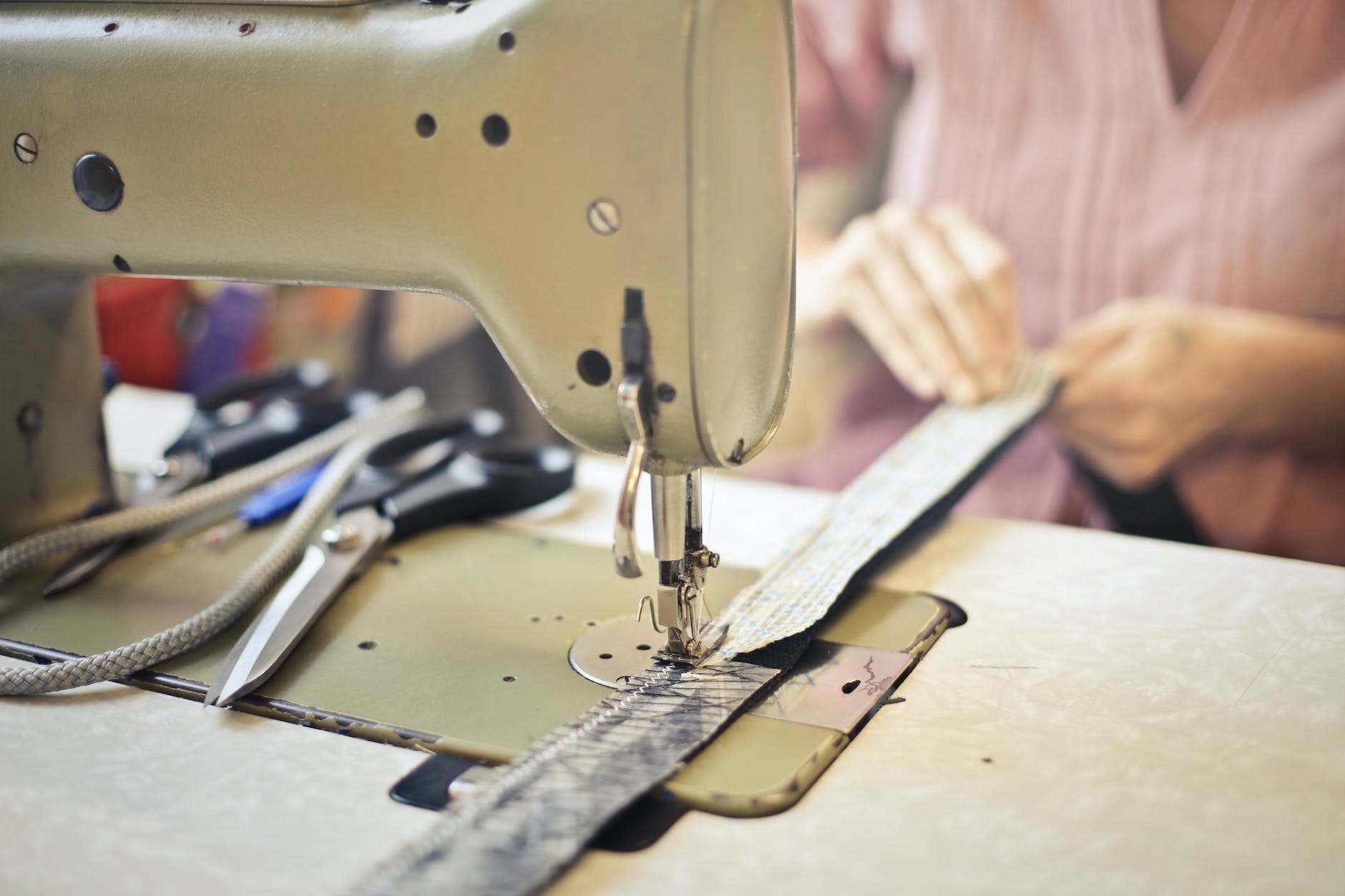
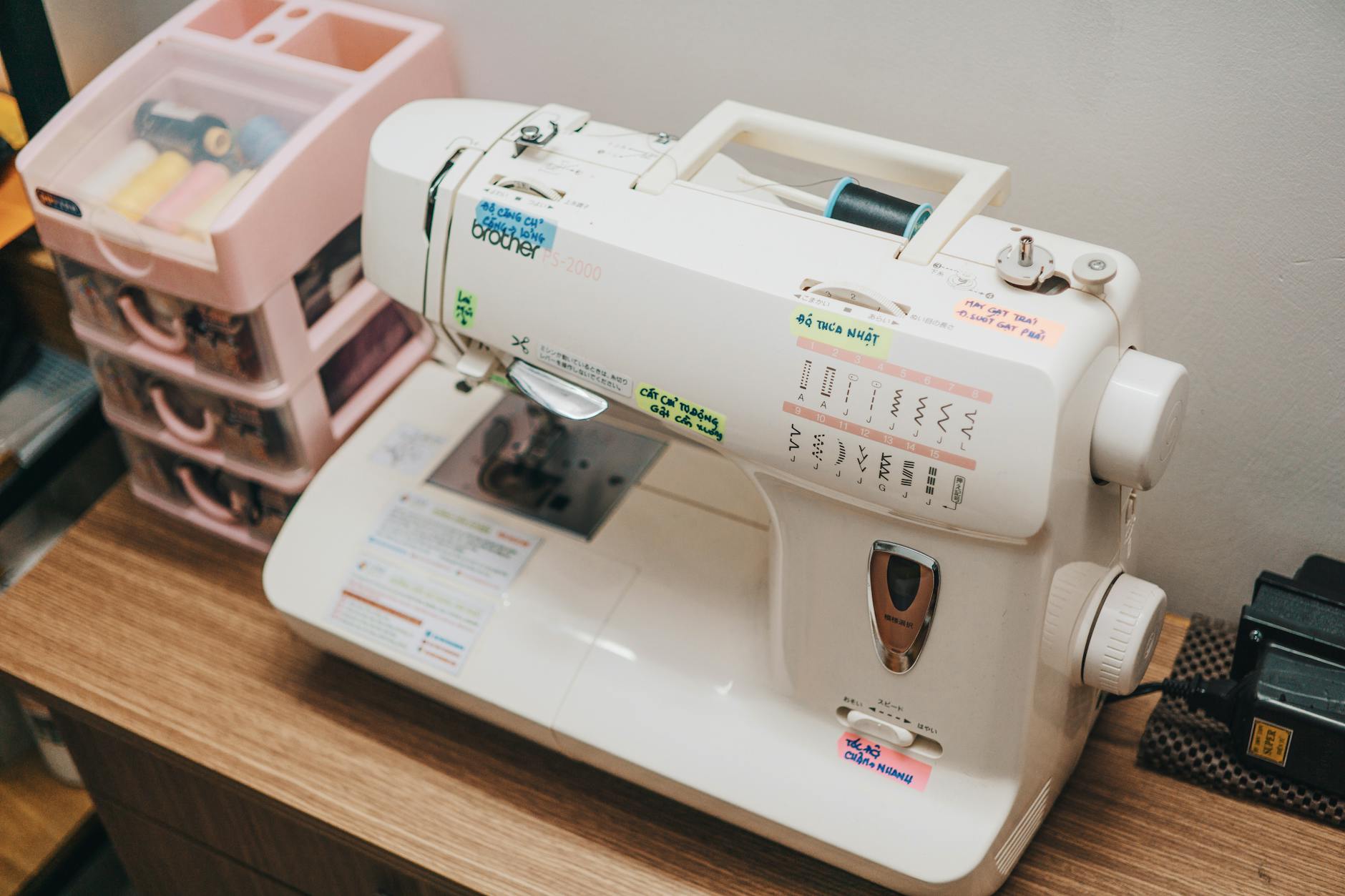
young woman sitting by a sewing machine

Ghana’s textile industry has experienced significant growth in recent years, driven by both domestic demand and export opportunities. 

Whether you’re a seasoned manufacturer, a budding entrepreneur, or a hobbyist looking to turn your passion into a business, investing in the right industrial sewing machine is crucial. 

In this article, we’ll explore the ins and outs of buying industrial sewing machines in Ghana, including where to find them, factors to consider, and tips for making the right choice.

Understanding Industrial Sewing Machines:

Industrial sewing machines are specially designed to handle heavy-duty sewing tasks and high-volume production. 

They come in a variety of types, including lockstitch, overlock, coverstitch, and specialized machines for specific applications like embroidery or quilting. 

These machines are built to withstand continuous use and offer features such as faster stitching speeds, stronger motors, and enhanced durability compared to domestic sewing machines.

Factors to Consider When Buying Industrial Sewing Machines:

  • Machine Type: Determine the type of sewing machine that best suits your needs based on the type of products you’ll be sewing and the volume of production. Consider factors such as stitch type, machine size, and special features required for your specific applications.
  • Brand Reputation: Research reputable brands known for manufacturing high-quality industrial sewing machines. Brands with a proven track record of reliability, performance, and after-sales support are often preferred choices.
  • Budget: Set a realistic budget for your sewing machine purchase, taking into account not only the initial cost of the machine but also any additional expenses such as accessories, spare parts, and maintenance.
  • Supplier Reliability: Choose a reliable supplier or dealer with a good reputation for providing quality products and excellent customer service. Look for suppliers who offer warranty coverage, technical support, and genuine spare parts to ensure peace of mind and long-term satisfaction with your purchase.
  • Machine Specifications: Pay attention to the specifications of the sewing machine, including stitching speed, stitch length, needle system, and available accessories. Ensure that the machine’s capabilities align with your production requirements and workflow.

Where to Buy Industrial Sewing Machines in Ghana:

  • Specialized Sewing Machine Retailers: Seek out specialized sewing machine retailers and distributors in major cities such as Accra, Kumasi, and Takoradi. These retailers often carry a wide range of industrial sewing machines from reputable brands and provide expert guidance and support to help you make the right choice.
    Some retailers specialize in sewing machines, including industrial models. These online or offline stores such as FLAIROC Ghana often have a wide selection of machines and knowledgeable staff who can assist you in choosing the right model for your needs.
  • Online Retailers: Many online retailers such as FLAIROC Ghana, Amazon, eBay, and Alibaba offer industrial sewing machines for sale. You can browse through their selections, compare prices, and read reviews from other buyers before making a purchase.
  • Online Marketplaces: Explore online marketplaces and e-commerce platforms that offer industrial sewing machines for sale. Websites such as FLAIROC, Jumia, Tonaton, and Jiji Ghana may have listings from local suppliers or international sellers offering a variety of sewing machines at competitive prices.
  • Sewing Machine Expos and Trade Shows: Attend sewing machine expos, trade shows, or industry events where you can connect with manufacturers, suppliers, and industry experts. Trade shows and expos related to sewing, textiles, and manufacturing often feature exhibitors showcasing industrial sewing machines.
    These events provide an opportunity to see the latest sewing machine models firsthand, compare different options, and network with industry professionals. Attending these events can allow you to see machines in person and speak with representatives from different manufacturers.
  • Direct from Manufacturers: Contact industrial sewing machine manufacturers directly to inquire about purchasing options in Ghana. Some manufacturers may have authorized distributors or representatives in the country, while others may offer international shipping or export services.

Tips for Making the Right Purchase:

  • Prioritize quality and reliability over price when selecting an industrial sewing machine.
  • Take the time to test and compare different machines before making a decision.
  • Inquire about warranty coverage, technical support, and after-sales service offerings.
  • Consider investing in training or certification programs to ensure proper use and maintenance of your sewing machine.
  • Explore financing options or leasing arrangements if purchasing outright is not feasible.

Some More Options for Buying Industrial Sewing Machines in Ghana

You can buy industrial sewing machines from various sources, both online and offline. Here are some other places where you can purchase industrial sewing machines:

  • Manufacturer Websites: Many sewing machine manufacturers have their own websites where you can purchase directly from them. This can be a good option if you’re looking for a specific brand or model of industrial sewing machine.
  • Industrial Equipment Suppliers: Some suppliers specialize in selling industrial equipment, including sewing machines. These suppliers may cater to businesses and industries that require heavy-duty sewing equipment.
  • Auctions and Secondhand Markets: You can also find industrial sewing machines at auctions, both online and offline. Additionally, you may find used or refurbished machines for sale at secondhand markets, sewing machine repair shops, or through classified ads.
  • Local Sewing Machine Dealers: Some local sewing machine dealerships may carry industrial models alongside their consumer-grade machines. Visiting these stores allows you to see the machines in person and receive guidance from knowledgeable staff.

    When purchasing an industrial sewing machine, consider factors such as your specific sewing needs, budget, desired features, warranty and support options, and the reputation of the seller or manufacturer. Additionally, be sure to inquire about shipping costs, delivery times, and any additional accessories or services included with the purchase.

Conclusion:

Investing in the right industrial sewing machine is a crucial step for businesses and individuals involved in garment manufacturing, upholstery, and other sewing-related industries in Ghana. 

By considering factors such as machine type, brand reputation, supplier reliability, and budget, and exploring various purchasing options, you can find the perfect sewing machine to meet your needs and propel your sewing projects to new heights of success. 

Whether you’re a small-scale tailor or a large-scale garment factory, the right industrial sewing machine can make all the difference in achieving efficiency, productivity, and quality in your sewing endeavors.

Posted on

100 Types of Sewing Machines in Ghana for Sale: Choosing the Right One for You

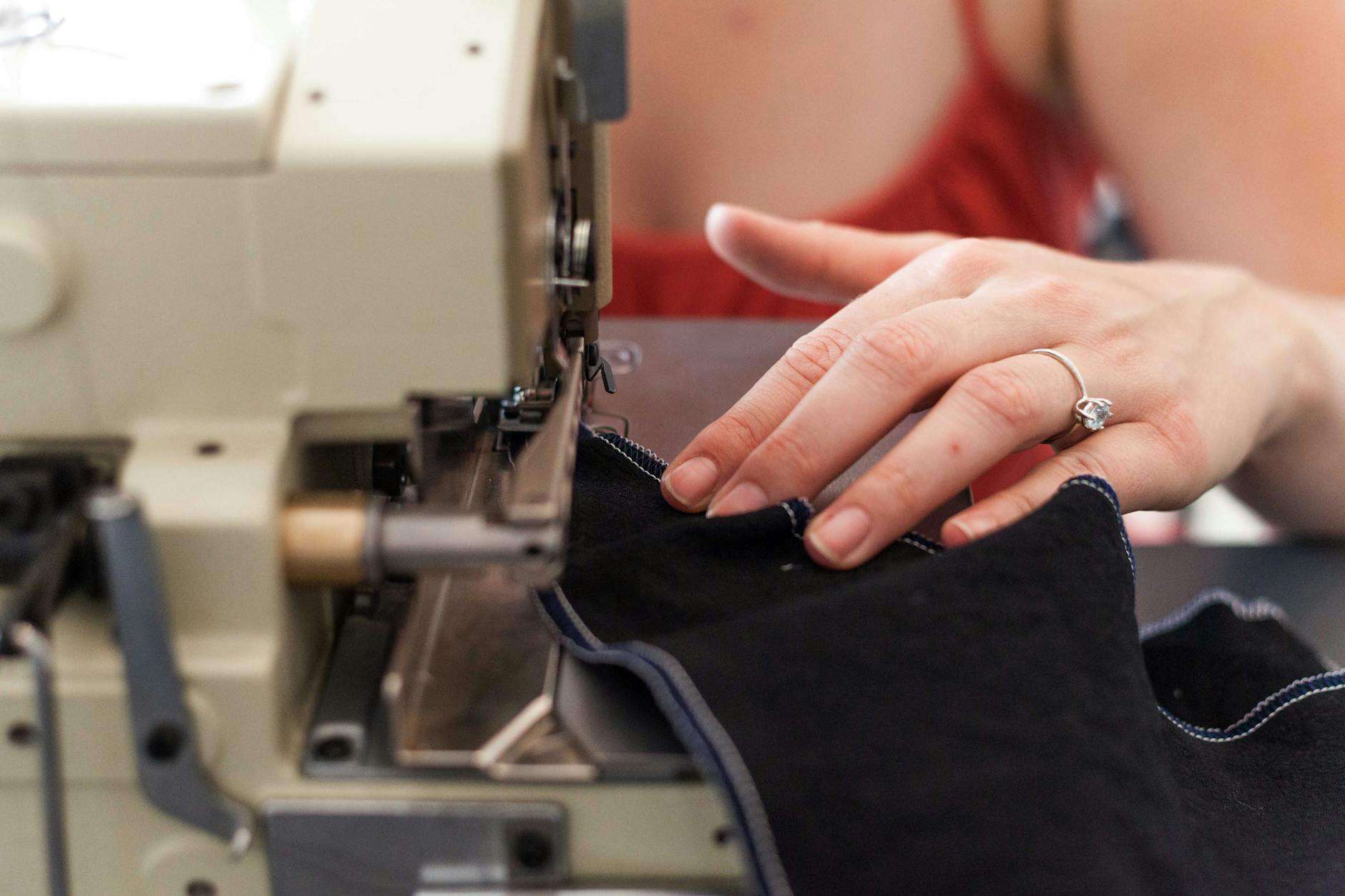
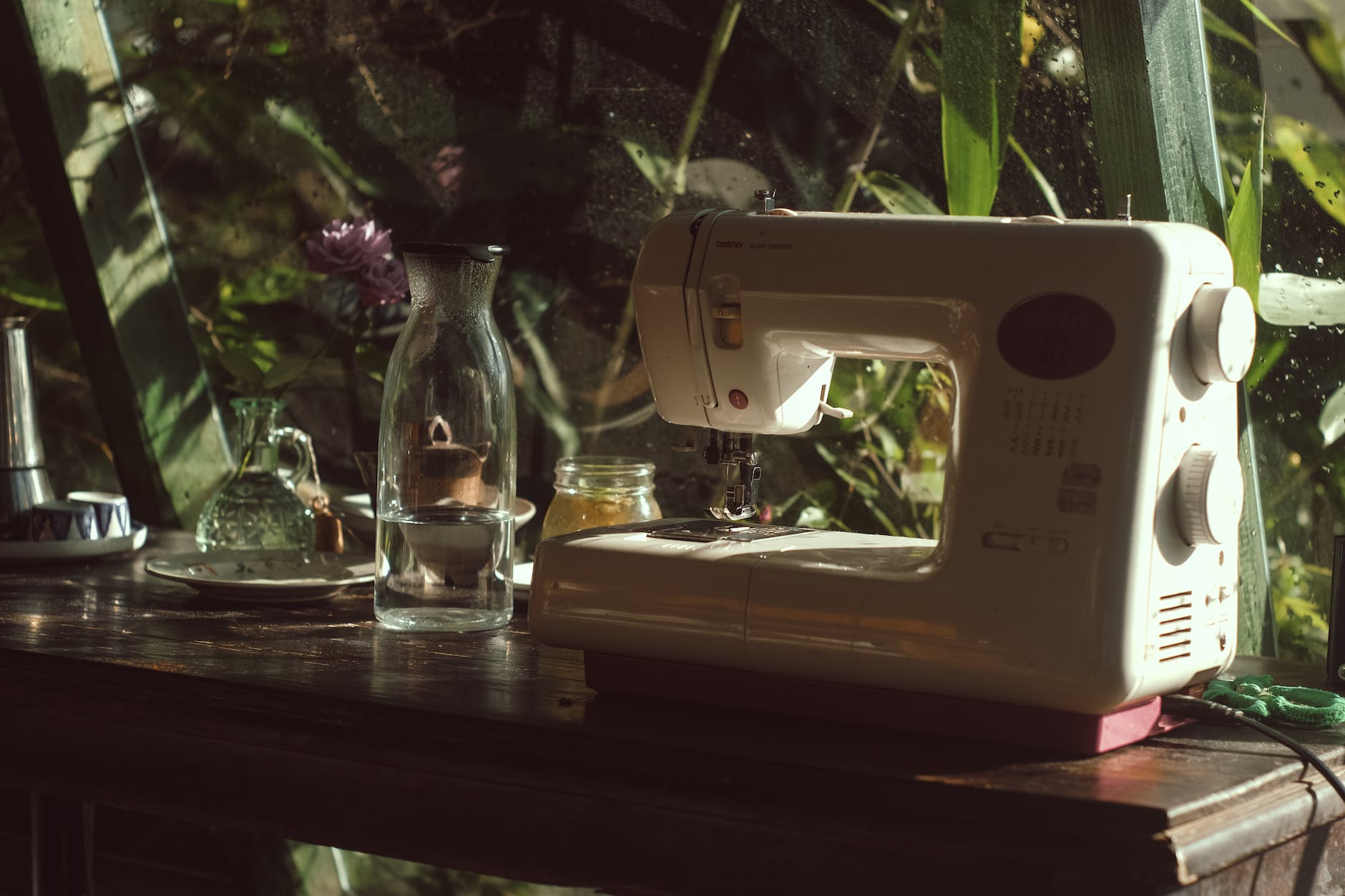
a person wearing a diamond ring using a sewing machine

Sewing machines are indispensable tools for crafters, seamstresses, designers, and hobbyists alike. From basic stitches to intricate embroidery, these machines cater to a wide range of needs and skill levels. 

In this article, we have provided a comprehensive overview of the vast landscape of sewing machines, listing 100 types of sewing machines; covering basic types, specialized models, vintage machines, commercial-grade equipment, and cutting-edge innovations. 

Some of them have been expanded with detailed descriptions, images, and examples to create a thorough guide for sewing enthusiasts of all levels.

Exploring the World of Sewing Machines: A Guide to 100 Types

Sewing machines have evolved significantly since their invention in the 19th century, catering to various needs and preferences of sewists across the globe. In this extensive guide, we’ll delve into the vast array of sewing machines available today, spanning different designs, functionalities, and applications. From basic home sewing machines to specialized industrial models, we’ll explore 100 types of sewing machines, shedding light on their features, uses, and unique characteristics.

Section 1: Basic Types of Sewing Machines

  1. Mechanical Sewing Machines
  2. Electronic Sewing Machines
  3. Computerized Sewing Machines
  4. Embroidery Machines
  5. Quilting Machines
  6. Serger Machines (Overlockers)
  7. Coverstitch Machines
  8. Industrial Sewing Machines

Section 2: Specialty Sewing Machines

  1. Cylinder-bed Sewing Machines
  2. Flat-bed Sewing Machines
  3. Free-arm Sewing Machines
  4. Portable Sewing Machines
  5. Heavy-duty Sewing Machines
  6. Mini Sewing Machines
  7. Handheld Sewing Machines
  8. Blind Stitch Machines
  9. Buttonhole Machines
  10. Zigzag Machines
  11. Walking Foot Machines
  12. Multi-needle Machines
  13. Combination Machines

Section 3: Sewing Machines for Specific Materials and Projects

  1. Leather Sewing Machines
  2. Denim Sewing Machines
  3. Vinyl Sewing Machines
  4. Canvas Sewing Machines
  5. Knit Fabric Sewing Machines
  6. Silk Sewing Machines
  7. Upholstery Sewing Machines
  8. Carpet Sewing Machines
  9. Sailmaking Sewing Machines
  10. Bridal Sewing Machines
  11. Tailoring Sewing Machines
  12. Shoe Sewing Machines

Section 4: Specialized Industrial Sewing Machines

  1. Flatlock Sewing Machines
  2. Bartack Sewing Machines
  3. Feed-off-the-arm Sewing Machines
  4. Multi-needle Chainstitch Machines
  5. Carpet Overedging Machines
  6. Post-bed Sewing Machines
  7. Long-arm Sewing Machines
  8. Automatic Pocket Setters
  9. Hot-air Seam Sealers
  10. Tape Edge Sewing Machines
  11. Hemstitch Machines
  12. Programmable Pattern Sewers

Section 5: Niche and Vintage Sewing Machines

  1. Featherweight Sewing Machines
  2. Antique Treadle Sewing Machines
  3. Hand-crank Sewing Machines
  4. Toy Sewing Machines
  5. Toy Handheld Sewing Machines
  6. Circular Sewing Machines
  7. Cylinder Shuttle Sewing Machines
  8. Shuttle Embroidery Machines
  9. Shuttle Hook Sewing Machines
  10. Toy Chainstitch Sewing Machines
  11. Vintage Singer Sewing Machines
  12. Vintage Pfaff Sewing Machines

Section 6: Sewing Machines for Crafts and Hobbies

  1. Patchwork Sewing Machines
  2. Scrapbooking Sewing Machines
  3. Quilting Longarm Machines
  4. Paper Piecing Sewing Machines
  5. Free-motion Quilting Machines
  6. Hand-quilting Frames
  7. Bead Embroidery Machines
  8. Cross-stitch Sewing Machines
  9. Fabric Die-cutting Machines
  10. Appliqué Machines
  11. Sewing and Embroidery Combo Machines

Section 7: Sewing Machines for Commercial Use

  1. Garment Manufacturing Sewing Machines
  2. Apparel Production Lines
  3. Tailor Shop Sewing Machines
  4. Alteration Shop Sewing Machines
  5. Upholstery Workshop Machines
  6. Leather Goods Production Machines
  7. Footwear Manufacturing Sewing Machines
  8. Bag and Luggage Making Machines
  9. Drapery Workshop Sewing Machines
  10. Uniform Production Sewing Machines
  11. Textile Mill Sewing Machines

Section 8: Sewing Machines for Technology and Innovation

  1. Robotic Sewing Machines
  2. Automated Cutting and Sewing Systems
  3. 3D Printing Sewing Machines
  4. Laser-cutting Sewing Machines
  5. Computer Vision Guided Sewing Machines
  6. Artificial Intelligence Integrated Sewing Machines
  7. Smart Fabric Sewing Machines
  8. IoT-enabled Sewing Machines
  9. Virtual Reality-assisted Sewing Machines
  10. Augmented Reality Sewing Systems
  11. Nanotechnology Sewing Machines

Section 9: Environmentally-friendly Sewing Machines

  1. Solar-powered Sewing Machines
  2. Eco-friendly Fabrics Sewing Machines
  3. Recycled Material Sewing Machines
  4. Energy-efficient Sewing Machines
  5. Water-saving Sewing Machines
  6. Zero-waste Sewing Machines
  7. Sustainable Sewing Machines
  8. Organic Fabric Sewing Machines
  9. Fair Trade Sewing Machines
  10. Biodegradable Sewing Machines

The world of sewing machines is vast and diverse, catering to a wide range of needs, preferences, and industries. Whether you’re a hobbyist, a professional seamstress, or an industrial manufacturer, there’s a sewing machine tailored to your specific requirements.

By exploring the myriad types of sewing machines available today, you can find the perfect tool to unleash your creativity, enhance your productivity, and bring your sewing projects to life.

21 Common Types of Sewing Machines in Ghana for Sale

With a variety of types available in the market, selecting the right one can be overwhelming. This guide delves into 21 types of sewing machines, providing detailed insights into their features, functionalities, and ideal use cases, empowering you to make an informed decision.

Industrial Sewing Machines in Ghana:

Features: Heavy-duty construction, high-speed stitching, and specialized for mass production.

Ideal for: Commercial sewing, manufacturing, and heavy fabrics.

Industrial sewing machines boast robust features like high-speed stitching, automatic thread trimming, and precise stitch control, ideal for commercial-scale production in industries such as apparel manufacturing, automotive upholstery, and home furnishings. 

Their durability, versatility, and automation capabilities streamline operations, maximizing efficiency and ensuring consistent, high-quality results. 

Designed for heavy-duty use, these machines handle a wide range of fabrics and sewing tasks with ease, making them indispensable tools for businesses seeking to optimize productivity and meet the demands of modern manufacturing.

Electronic/Electric Sewing Machines in Ghana:

Features: Utilize electronic components for stitch selection and other functions.

Ideal for: Intermediate users, diverse sewing projects, and moderate usage. 

Electric sewing machines offer convenient features such as automatic thread trimming, adjustable stitch length, and variable speed control, enhancing efficiency and precision. 

Ideal for both novice and experienced sewists, these machines excel in a variety of tasks, including garment construction, quilting, home décor projects, and alterations. 

With their user-friendly design and advanced functionalities, electric sewing machines streamline the sewing process, making it easier to achieve professional-quality results in less time.

Mechanical Sewing Machines in Ghana / Hand Sewing Machines in Ghana.:

Features: Operated manually with mechanical knobs and dials.

Ideal for: Beginners, basic sewing tasks, and occasional use.

Mechanical sewing machines feature manual controls for stitch selection, length, and tension adjustment. They are ideal for beginners and hobbyists due to their simplicity and affordability. 

Mechanical machines are durable, reliable, and easy to maintain, making them suitable for basic sewing tasks such as garment construction, repairs, and crafting projects. 

Their straightforward design and intuitive operation make them a popular choice for those looking to learn sewing skills or pursue creative endeavors without the complexity of electronic or computerized machines.

Treadle Sewing Machine in Ghana

Features: Powered by foot pedals, offer a timeless appeal and unique functionality.

Ideal for: Commercial sewing, Beginners, and Intermediate users

Treadle sewing machines, powered by foot pedals, offer a timeless appeal and unique functionality. Their manual operation provides control over stitching speed, ideal for intricate work and delicate fabrics. 

With no reliance on electricity, they’re perfect for off-grid use, rural settings, or as a nostalgic addition to modern sewing spaces. Their durability, simplicity, and ability to sew through thick materials make them ideal for quilting, leatherwork, and crafting. 

Treadle sewing machines also serve as a reminder of craftsmanship, offering a connection to sewing traditions and heritage.

Mini Sewing Machines in Ghana:

Features: Tiny, lightweight, and simple machines for basic stitching and minor repairs.

Ideal for: Beginners, children, and emergency repairs.

Mini Sewing Machines are compact, lightweight devices designed for portability and versatility. Despite their small size, they offer essential features such as straight and zigzag stitching capabilities, adjustable speed controls, and automatic thread winding. 

Ideal for beginners, travelers, and small sewing projects, they’re perfect for quick repairs, crafting, and on-the-go sewing needs. With easy-to-use functionality and convenient storage options, Mini Sewing Machines are suitable for hobbyists, students, and anyone looking for a portable sewing solution for light-duty tasks.

Portable Sewing Machines in Ghana:

Features: Compact and lightweight for on-the-go sewing and travel convenience.

Ideal for: Beginners, students, and sewing enthusiasts with limited space.

Portable sewing machines are compact, lightweight devices designed for on-the-go sewing. They typically feature battery or electric operation, making them versatile and convenient for travel or small spaces. 

Despite their size, they offer essential functions like straight and zigzag stitches, making them ideal for quick repairs, crafting, and sewing on-the-fly. 

With easy setup and user-friendly controls, portable sewing machines are perfect for beginners, DIY enthusiasts, travelers, and anyone needing a compact sewing solution.

Digital Sewing Machines in Ghana:

Features: Intuitive touchscreen interfaces, programmable stitch patterns, precise stitch control.

Ideal for: Both novice and experienced sewists, they simplify complex tasks.

Digital sewing machines feature intuitive touchscreen interfaces, programmable stitch patterns, and precise stitch control. Ideal for both novice and experienced sewists, they simplify complex tasks with automatic needle threading, thread tension adjustment, and stitch selection. 

These machines offer versatility for various sewing projects, including garment construction, quilting, embroidery, and decorative stitching. With advanced features like speed control, stitch elongation, and design editing, digital sewing machines empower users to unleash their creativity and achieve professional-quality results with ease.

Computerized Sewing Machines in Ghana:

Features: Equipped with advanced computer technology for precise stitching, programmable patterns, and digital displays.

Ideal for: Advanced sewists, intricate designs, quilting, and heavy usage.

Computerized sewing machines offer advanced features such as programmable stitch patterns, automatic thread tension, and touchscreen interfaces. Ideal for both beginners and experienced sewists, these machines provide precise stitching, easy customization, and intuitive operation. 

With built-in memory for storing stitch designs and digital controls for adjusting settings, computerized sewing machines excel in quilting, embroidery, garment construction, and intricate sewing projects. 

Their versatility, efficiency, and ease of use make them indispensable tools for hobbyists, professionals, and anyone seeking to elevate their sewing experience.

Wig Sewing Machine in Ghana:

Features: Fine needle positioning, adjustable stitch length, and tension control, precise stitching.

Ideal for: Wig manufacturers and hairstylists, this machine streamlines the wig-making process.

A Wig Sewing Machine is tailored for the intricate task of sewing hair wefts onto wig caps. With specialized features such as fine needle positioning, adjustable stitch length, and tension control, it ensures precise and durable stitching. 

Ideal for wig manufacturers and hairstylists, this machine streamlines the wig-making process, enabling efficient production of high-quality wigs with seamless hair integration.

Embroidery Machines in Ghana:

Features: Specialized for decorative stitching, monogramming, and intricate designs.

Ideal for: Embroidery enthusiasts, fashion designers, and personalized crafts.

Embroidery machines are equipped with features like automatic threading, multiple needle positions, and built-in designs. Ideal for businesses in fashion, home decor, and personalized gifts, they efficiently stitch intricate designs onto fabrics, adding flair to garments, linens, and accessories. 

These machines offer digitized design customization, precise stitching, and fast production speeds, making them indispensable for commercial embroiderers and hobbyists alike.

Quilting Machines in Ghana:

Features: Designed with extended arm space, stitch regulators, and specialty quilting stitches.

Ideal for: Quilters, patchwork enthusiasts, and large-scale quilting projects.

Quilting machines are specialized sewing machines designed for quilting tasks, offering features such as extended throat space, precision stitch regulation, and programmable quilting patterns. 

Ideal for quilting enthusiasts, textile artisans, and commercial quilters, these machines excel at stitching intricate designs, layering fabrics, and creating quilted textures with speed and accuracy. 

Whether it’s crafting heirloom quilts, home decor projects, or large-scale production runs, quilting machines provide the tools and versatility needed to bring creative visions to life with ease and efficiency.

Serger Machines in Ghana (Overlockers):

Features: Create professional seams, hems, and edges with multiple threads and blades.

Ideal for: Seam finishing, garment construction, and creating stretchy seams. 

Serger machines, also known as overlock machines, are designed for finishing fabric edges, creating seams, and decorative stitching. Key features include multiple threads (usually 3-5), differential feed for smooth stitching on various fabrics, and built-in knife for trimming edges as stitches are formed. 

Ideal for garment construction, sergers produce professional-looking seams, hems, and decorative effects on knitwear, activewear, lingerie, and more. Their ability to sew, trim, and finish edges simultaneously makes them indispensable for achieving clean and durable finishes in a wide range of sewing projects.

Overlock machines, also known as sergers, are versatile industrial sewing machines ideal for finishing raw edges, seaming knitwear, and creating decorative effects. 

They use multiple threads to sew, trim, and enclose fabric edges simultaneously, resulting in neat and professional-looking seams. Overlock machines are equipped with differential feed mechanisms to prevent stretching or puckering of fabrics, making them suitable for a wide range of materials, including knits, woven fabrics, and stretch fabrics. 

With adjustable stitch width, length, and tension settings, overlock machines offer flexibility and precision, making them essential tools for garment manufacturing, upholstery, and home sewing projects.

Coverstitch Machines in Ghana:

Features: Produce professional hems, cuffs, and necklines with parallel stitching and differential feed.

Ideal for: Apparel construction, knit fabrics, and finishing edges.

A Coverstitch Machine is designed for creating professional-looking hems, seams, and decorative stitching on knitwear and stretch fabrics. 

Its key features include the ability to produce a double or triple row of stitching on the top side of the fabric, with a looper thread on the underside for a stretchy, flat seam. 

Ideal for sewing activewear, sportswear, lingerie, and other stretchy garments, the Coverstitch Machine excels in hemming, binding, and topstitching applications, providing durability and flexibility for high-quality finished products.

Cylinder-bed Sewing Machines in Ghana:

Features: Narrow cylindrical arm for sewing cylindrical or tubular items like cuffs, sleeves, and bags.

Ideal for: Tailoring, garment construction, and small accessories.

Cylinder-bed sewing machines feature a cylindrical bed that allows for easier maneuvering of tubular or cylindrical workpieces, such as sleeves, cuffs, and other curved seams. 

This unique design enables seamless stitching around cylindrical objects, intricate details, and hard-to-reach areas. Ideal for garment construction, leatherwork, and upholstery, cylinder-bed machines offer precise stitching and enhanced versatility, making them indispensable tools for sewing professionals working with three-dimensional and contoured fabrics.

Flat-bed Sewing Machines in Ghana:

Features: Flat surface for sewing flat fabrics and large items like garments and quilts.

Ideal for: General sewing tasks, dressmaking, and home decor projects.

Flat-bed sewing machines feature a flat surface for stitching, ideal for sewing flat pieces of fabric such as garments, quilts, and upholstery. They offer precise stitching control and visibility, making them suitable for intricate sewing tasks like topstitching, edge stitching, and decorative stitching. 

These machines come with a variety of stitch options, including straight stitch, zigzag, and decorative stitches, and are equipped with features like automatic thread trimming, needle positioning, and thread tension adjustment for efficient and professional results. Flat-bed sewing machines are essential for garment manufacturing, quilting, home sewing, and upholstery applications.

Free-arm Sewing Machines in Ghana:

Features: Removable extension table for sewing cylindrical items and small pieces like sleeves and cuffs.

Ideal for: Hemming, mending, and small sewing projects.

Free-arm sewing machines feature a narrow, cylindrical extension beneath the sewing bed, allowing users to sew cylindrical items like sleeves, cuffs, and pant legs effortlessly. 

Ideal for garment construction, alterations, and crafts, these machines offer enhanced maneuverability and precision in tight spaces. Their compact design makes them suitable for home sewing enthusiasts, quilters, and fashion designers seeking versatility and ease of use.

Heavy-duty Sewing Machines in Ghana:

Features: Robust construction, powerful motors, and ability to sew through thick fabrics and multiple layers.

Ideal for: Upholstery, leatherwork, and heavy-duty sewing tasks.

Heavy-duty sewing machines are designed for sewing thick, heavy fabrics and materials such as denim, canvas, leather, and upholstery. These machines feature powerful motors, robust construction, and reinforced mechanisms to handle tough sewing tasks with ease. 

Ideal for professional seamstresses, DIY enthusiasts, and businesses in industries like upholstery, automotive, and marine, heavy-duty sewing machines offer features like high-speed stitching, adjustable presser foot pressure, extra-wide sewing beds, and multiple layers stitching capability, ensuring reliable performance and durability for demanding sewing projects.

Handheld Sewing Machines in Ghana:

Features: Compact, battery-operated devices for quick repairs and stitching on the go.

Ideal for: Travelers, emergencies, and small sewing tasks.

Handheld sewing machines are compact, portable devices ideal for on-the-go repairs and small projects. Featuring battery or electric-powered operation, they offer convenience and versatility for quick stitching tasks. 

With easy-to-use controls and lightweight design, they’re suitable for beginners, travelers, and DIY enthusiasts. Though not suitable for heavy-duty projects, they excel at hemming, mending, and sewing lightweight fabrics like clothing, curtains, and linens. 

Handy for emergencies or crafting on the fly, handheld sewing machines provide a convenient solution for minor sewing needs.

Blind Stitch Machines in Ghana:

Features: Specialized for creating nearly invisible hems on garments.

Ideal for: Apparel construction, professional-looking finishes, and formal wear.

Blind stitch sewing machines are equipped with a unique blind stitch capability, creating nearly invisible hems ideal for garments, curtains, and draperies. 

These machines utilize a specialized stitch formation that conceals stitches on the outer fabric surface, creating a clean and professional finish. 

Ideal for tailoring shops, clothing alterations, and home sewing enthusiasts, blind stitch machines offer precision, efficiency, and versatility for hemming tasks where seam visibility is undesirable. With adjustable settings and user-friendly controls, they provide an efficient solution for achieving flawless, inconspicuous hems on a variety of fabrics.

Buttonhole Machines in Ghana:

Features: Automate the process of creating buttonholes with precision and consistency.

Ideal for: Garment manufacturing, tailoring, and projects requiring multiple buttonholes.

Buttonhole machines are specialized industrial sewing machines designed for creating precise and consistent buttonholes. They feature automatic cutting, bartacking, and programming for various buttonhole sizes and shapes. 

Ideal for garment manufacturers, tailors, and textile industries, these machines ensure efficient production of high-quality buttonholes on a wide range of fabrics, including denim, wool, and synthetic materials. 

With their speed, accuracy, and versatility, buttonhole machines streamline the buttonhole-making process, enhancing productivity and delivering professional results.

Zigzag Machines in Ghana:

Features: Stitch in a zigzag pattern, ideal for decorative stitching, appliqué, and stretch fabrics.

Ideal for: Embellishments, mending, and versatile sewing tasks.

Zigzag machines feature a versatile stitch pattern that moves the needle in a zigzag motion, ideal for sewing stretch fabrics, reinforcing seams, and creating decorative effects. These machines offer adjustable stitch width and length, allowing for customization to suit various applications. 

Ideal for garment manufacturing, upholstery, embroidery, and decorative stitching, zigzag machines excel at creating durable and flexible seams on a wide range of materials, making them indispensable tools in the textile and sewing industry.

Walking Foot Machines in Ghana:

Features: Evenly feed multiple layers of fabric, ideal for quilting, leatherwork, and upholstery.

Ideal for: Thick fabrics, slippery materials, and preventing fabric shifting.

A Walking Foot Machine, equipped with a walking foot mechanism, ensures even feeding of fabric layers, making it ideal for handling thick, bulky, or slippery materials. This feature prevents fabric shifting and puckering, resulting in precise and consistent stitches. 

Commonly used in upholstery, leatherwork, quilting, and heavy-duty sewing applications, it excels in tasks requiring precise alignment and smooth stitching on challenging fabrics like leather, canvas, vinyl, and multiple layers of fabric. 

The walking foot’s ability to handle thick materials with ease makes it indispensable for projects demanding durability, strength, and professional-quality finishing.

Multi-needle Machines in Ghana:

Features: Have multiple needles for simultaneous stitching, increasing productivity and efficiency.

Ideal for: Embroidery, quilting, and projects requiring intricate details.

Multi-needle machines feature multiple needles working simultaneously, enabling efficient and precise stitching for various applications. Ideal for quilting, embroidery, and decorative stitching, these machines offer versatility and speed, allowing for intricate designs and patterns on fabrics. 

With adjustable spacing between needles, they accommodate different fabric thicknesses and textures, making them suitable for a wide range of projects in industries such as apparel, home decor, and automotive upholstery. Multi-needle machines excel in producing intricate designs, patterns, and textures with exceptional speed and accuracy.

Combination Machines in Ghana:

Features: Combine multiple functionalities such as sewing, embroidery, and quilting in one unit.

Ideal for: Versatile sewists, saving space, and diverse sewing projects.

Combination machines integrate multiple sewing functions into one unit, offering versatility and space-saving benefits. Typically combining features such as overlock, coverstitch, and chainstitch capabilities, these machines are ideal for small workshops, home-based businesses, or hobbyists seeking a compact yet multifunctional sewing solution. 

With the ability to perform various stitching techniques on different fabrics, combination machines are suitable for a wide range of sewing projects, including garment construction, quilting, and crafting. Their ease of use and flexibility make them an excellent choice for sewists looking to maximize efficiency and creativity in limited space.

In view of all listed above, selecting the right sewing machine involves considering factors like skill level, intended use, features, and budget. Whether you’re a beginner or an experienced sewist, there’s a sewing machine tailored to your needs. By understanding the diverse types available and their unique features, you can confidently choose the perfect sewing companion to bring your creative visions to life.

29 Other Sewing Machines Types You Can Find in Ghana for Sale

Longarm Quilting Machines in Ghana:

Features: Extended sewing area for quilting large projects like bedspreads and tapestries.

Ideal for: Quilters, professional seamstresses, and large-scale quilting operations.

Longarm quilting machines feature extended sewing arms, typically ranging from 18 to 30 inches, providing ample space for quilting large projects. They offer features such as stitch regulation for consistent stitch length, adjustable speed control, and precision stitching modes.

Ideal for quilters seeking efficiency and versatility, longarm quilting machines excel at quilting intricate designs, free-motion quilting, and edge-to-edge quilting on quilts of all sizes. 

They offer ease of maneuverability, allowing for smooth quilting motions and enabling quilters to create stunning quilted masterpieces with professional results.

Tape Edge Machines in Ghana:

Features: Specifically designed for attaching fabric panels to mattress edges, creating a tailored finish.

Ideal for: Mattress manufacturing, upholstery, and furniture production.

Tape Edge Machines are specialized industrial sewing machines used for attaching fabric tape to mattresses, creating a neat and durable edge finish. 

Features include adjustable speed control, automatic fabric cutting, and precise tape alignment mechanisms. Ideal for mattress manufacturers, these machines ensure consistent and professional edge finishing, increasing productivity and quality in mattress production.

Bartack Machines in Ghana:

Features: Create reinforced stitches, commonly used for securing buttonholes, pockets, and seams.

Ideal for: Apparel manufacturing, outdoor gear, and industrial sewing applications.

Bartack machines specialize in creating reinforced stitches, known as bartacks, that strengthen areas of stress on garments and textiles. These machines offer precise stitch formation, adjustable stitch length, and automatic thread trimming.

Ideal for industries requiring durable seams, such as apparel manufacturing, automotive upholstery, and outdoor gear production, bartack machines ensure the longevity and reliability of sewn products.

Post-bed Sewing Machines in Ghana:

Features: Vertical column behind the needle, allowing for sewing cylindrical or bulky items.

Ideal for: Shoe making, leatherwork, and upholstery.

Post-bed sewing machines feature a raised, vertical column behind the needle, allowing easier access to hard-to-reach areas such as shoe uppers, bags, and other three-dimensional items.

Ideal for intricate stitching on curved or bulky materials, these machines excel in shoe and leather goods manufacturing, upholstery, and automotive interiors. 

Their versatility and maneuverability make them essential for crafting complex designs and precise seams on items with irregular shapes, contributing to efficient production processes and high-quality finished products.

Eyelet Buttonhole Machines in Ghana:

Features: Automate the process of creating eyelet buttonholes with precise stitching and reinforcement.

Ideal for: Garment manufacturing, outerwear, and accessories.

An Eyelet Buttonhole Machine is designed for precise and efficient creation of buttonholes with eyelets, enhancing garment functionality and aesthetics. Its automatic operation ensures consistent stitch quality and accurate buttonhole sizing, while built-in sensors detect fabric thickness for seamless performance on various materials. 

Ideal for garment manufacturers, tailors, and textile industries, this machine streamlines production processes, increases productivity, and delivers professional-quality buttonholes suitable for a wide range of apparel applications.

Fur Sewing Machines in Ghana:

Features: Specialized for sewing fur and other thick, bulky materials with precision and strength.

Ideal for: Furriers, coat makers, and leather craftsmen.

Fur sewing machines are specialized for handling thick and bulky materials like fur, leather, and faux fur. They feature powerful motors and heavy-duty components to effortlessly stitch through multiple layers. 

Adjustable presser foot pressure and feed mechanisms ensure smooth and even stitching on irregular surfaces. Ideal for furriers, leatherworkers, and fashion designers, these machines excel in creating luxurious outerwear, accessories, and home décor items with precision and durability. 

Whether crafting coats, hats, or plush blankets, fur sewing machines offer the reliability and performance needed for professional-grade fur sewing projects.

Carpet Sewing Machines in Ghana:

Features: Heavy-duty machines designed for stitching carpet seams and binding edges.

Ideal for: Carpet manufacturing, installation, and repair.

Carpet sewing machines are designed for stitching heavy-duty materials such as carpets, rugs, and upholstery. They feature robust construction, high-speed stitching capabilities, and specialized needle systems to handle thick fabrics with ease. 

These machines often come equipped with features such as adjustable stitch length, walking foot mechanisms, and extra-large bobbins to ensure smooth and consistent stitching.

Ideal for carpet manufacturers, upholstery workshops, and textile industries, carpet sewing machines streamline production processes, enhance efficiency, and deliver professional-quality seams on a wide range of heavy textiles.

Zigzag Hemming Machines in Ghana:

Features: Hemming machines equipped with zigzag stitching capabilities for stretch fabrics and decorative finishes.

Ideal for: Apparel manufacturing, sportswear, and lingerie.

A Zigzag Hemming Machine is designed for precise and efficient hemming of fabric edges using zigzag stitches. Its adjustable settings allow for varying stitch lengths and widths, accommodating different fabric types and hemming requirements. 

Ideal for garment manufacturing, home textile production, and upholstery work, this machine produces clean and durable hems on a wide range of materials, including woven and stretch fabrics. Its versatility and ease of use make it an essential tool for seamstresses, tailors, and manufacturers seeking professional-quality hem finishes.

Tacker Machines in Ghana:

Features: Perform repetitive stitching tasks such as tacking labels, tags, and emblems onto garments.

Ideal for: Apparel production, branding, and labeling.

Tacker machines are specialized industrial sewing machines designed for attaching labels, patches, or decorative elements to fabric quickly and securely. They feature a fast stitching speed, precise needle positioning, and automatic thread trimming for efficient operation. 

Tacker machines are ideal for garment manufacturing, apparel branding, and textile finishing processes where the accurate and reliable attachment of labels or embellishments is essential. Their versatility and high-speed performance make them indispensable tools in industries such as fashion, sportswear, and promotional merchandise production.

Ribbon and Tape Edge Sewing Machines in Ghana:

Features: Specifically designed for attaching ribbons, tapes, and trims to fabric edges.

Ideal for: Garment embellishment, decorative sewing, and crafts.

Ribbon and Tape Edge Sewing Machines are specialized industrial sewing machines designed for attaching ribbons, tapes, and trims to fabric edges. 

They feature adjustable guides and feed mechanisms to ensure precise placement and uniform stitching. Ideal for manufacturers of bedding, mattresses, upholstery, and textiles, these machines streamline edge-finishing processes, enhance product aesthetics, and improve durability. 

With their ability to handle a variety of materials and trim widths, Ribbon and Tape Edge Sewing Machines offer versatility and efficiency in a wide range of applications, from decorative accents to functional reinforcements.

Glove Sewing Machines in Ghana:

Features: Precision machines for sewing gloves, mittens, and other handwear with accuracy and speed.

Ideal for: Glove manufacturers, specialty clothing brands, and costume designers.

Glove sewing machines are specialized tools designed for efficiently stitching gloves and other small fabric items. They typically feature a compact design, precise stitching capabilities, and specialized attachments for handling delicate materials.

Ideal for manufacturers producing gloves for various industries, including medical, sports, fashion, and industrial applications, these machines offer fast and accurate stitching, ensuring high-quality finished products. 

With adjustable settings and user-friendly controls, glove sewing machines are essential for streamlining production processes and meeting the demands of today’s market for precision-made gloves.

Carpet Overedge Binding Machines in Ghana:

Features: Bind carpet edges with overedge stitching, providing durability and a finished appearance.

Ideal for: Carpet manufacturing, rug making, and upholstery.

Carpet Overedge Binding Machines are designed for finishing carpet edges with precision and durability. Featuring heavy-duty construction and adjustable settings, they securely bind carpet edges to prevent fraying and enhance longevity. 

Ideal for carpet manufacturers, rug makers, and upholstery professionals, these machines offer versatility in handling various carpet thicknesses and materials.

With efficient overedging capabilities and reliable performance, Carpet Overedge Binding Machines ensure professional-quality finishes for carpets, rugs, and upholstery projects, meeting the rigorous demands of industrial production environments.

Bag Closing Machines in Ghana:

Features: Seam and close bags with efficiency, using specialized stitching techniques for different bag materials.

Ideal for: Packaging, agriculture, and textile industries.

Bag closing machines are specialized industrial sewing machines designed for closing filled bags, such as those used in packaging bulk materials like grains, flour, or animal feed. 

They feature high-speed stitching capabilities, automatic thread cutting, and reliable seam reinforcement, ensuring secure and efficient bag closure. Ideal for industries like agriculture, food processing, and manufacturing, bag closing machines streamline packaging operations, improve productivity, and maintain product integrity. 

With adjustable settings for different bag sizes and materials, they offer versatility and precision, making them essential equipment for large-scale bagging operations.

Collar Turning Machines in Ghana:

Features: Automate the process of turning shirt collars, cuffs, and other garment components inside out for finishing.

Ideal for: Shirt manufacturing, tailoring, and apparel production.

A Collar Turning Machine is designed to streamline the process of turning collars on garments, ensuring uniformity and efficiency. Features include adjustable speed control, precise collar positioning, and automatic turning mechanisms. 

Ideal for garment manufacturers, tailors, and textile factories, it significantly reduces manual labor and enhances productivity. With its ability to handle various collar sizes and types, this machine optimizes the production of shirts, blouses, jackets, and other apparel items, providing a seamless solution for turning collars with precision and consistency.

Pocket Setter Machines in Ghana:

Features: Set and attach pockets to garments with precision and consistency, reducing manual labor.

Ideal for: Apparel manufacturing, denim production, and uniform sewing.

Pocket Setter Machines automate the insertion of pockets into garments, streamlining production and ensuring precise pocket placement. These machines typically feature adjustable pocket size settings, automatic pocket folding, and precise stitching capabilities. 

Ideal for apparel manufacturers, these machines are suitable for a wide range of garments, including pants, jackets, shirts, and skirts. They help reduce labor costs, increase productivity, and maintain consistent pocket quality, making them indispensable tools for high-volume clothing production.

Elastic Attaching Machines in Ghana:

Features: Attach elastic bands to fabric edges or seams with specialized stitching techniques.

Ideal for: Activewear, lingerie, and swimwear production.

Elastic attaching machines are specialized industrial sewing machines designed to seamlessly attach elastic bands to fabric, creating stretchable seams for garments such as underwear, swimwear, activewear, and lingerie. 

These machines feature adjustable settings for precise tension control, ensuring consistent and secure attachment of elastic materials. Ideal for high-volume production environments, elastic attaching machines streamline the sewing process, enhance product quality, and accommodate a wide range of fabric types and elastic widths.

 With their efficiency and reliability, they are indispensable tools for manufacturers seeking to meet the demands of stretchwear production with precision and consistency.

Label Sewing Machines in Ghana:

Features: Seamlessly attach woven or printed labels to garments and textile products with accuracy.

Ideal for: Branding, garment finishing, and quality control.

Label sewing machines are specialized devices designed for attaching labels to garments, textiles, and other products. They feature precise stitching capabilities, adjustable stitch lengths, and programmable settings for optimal performance. 

These machines often include automatic thread trimming, needle positioning, and tension adjustment features, ensuring consistent and professional results. 

Ideal for textile manufacturers, garment factories, and apparel brands, label sewing machines streamline production processes, enhance product branding, and ensure accurate labeling for retail distribution.

Rope Sewing Machines in Ghana:

Features: Sew ropes, cords, and braided materials onto fabric surfaces for decorative or functional purposes.

Ideal for: Marine industry, upholstery, and outdoor gear manufacturing.

Rope sewing machines are specialized equipment designed for stitching and reinforcing ropes and heavy-duty materials. They feature heavy-duty construction, high-speed stitching capabilities, and specialized needle and thread configurations to handle thick ropes with ease.

Ideal for industries such as marine, construction, and outdoor gear manufacturing, rope sewing machines are perfect for creating strong and durable seams in products like sails, tents, hammocks, safety harnesses, and industrial ropes. 

With their robust build and precise stitching, they ensure reliable performance in demanding applications where strength and durability are essential.

Beading Machines in Ghana:

Features: Embellish fabric surfaces with beads, sequins, and decorative elements using specialized sewing techniques.

Ideal for: Couture fashion, costume design, and haute couture.

A Beading Machine automates the process of attaching beads and sequins to fabric, enhancing garments and textiles with intricate embellishments. Its features typically include adjustable bead spacing, precise alignment, and high-speed operation. 

Ideal for fashion designers, bridal wear manufacturers, and upholstery specialists, Beading Machines offer efficient and precise beadwork, reducing production time and ensuring consistent quality in decorative applications.

Rope-making Machines in Ghana:

Features: Produce ropes and cords from various materials such as cotton, nylon, and synthetic fibers.

Ideal for: Rope manufacturers, marine industry, and outdoor recreation.

Rope-making machines are equipped with multiple strands, typically three or more, that twist together to form a durable rope. They feature adjustable speed controls for precise twisting and tension settings, ensuring consistent rope quality. 

These machines are ideal for industries requiring strong and uniform ropes, such as maritime, construction, agriculture, and sports. With their ability to produce ropes of various materials and thicknesses, rope-making machines cater to a wide range of applications, including ship rigging, towing, fencing, and climbing.

Picot Edging Machines in Ghana:

Features: Create decorative picot edges on fabric or lace, adding texture and visual interest to garments and textiles.

Ideal for: Lingerie, bridal wear, and heirloom sewing.

A Picot Edging Machine creates decorative picot edges on fabric, adding intricate detail to garments, linens, and textiles. It features a specialized stitching mechanism that produces evenly spaced scalloped edges, enhancing the aesthetic appeal of finished products. 

Ideal for lingerie, children’s clothing, handkerchiefs, and decorative trimmings, the Picot Edging Machine offers versatility and precision, enabling manufacturers to elevate the visual appeal of their creations with ease.

Piping Machines in Ghana:

Features: Seamlessly insert piping into fabric seams for decorative or structural purposes with precision and speed.

Ideal for: Upholstery, home decor, and garment embellishment.

A piping machine is designed to automatically attach piping or corded edges to fabric, enhancing the aesthetic appeal and durability of sewn products. Features include adjustable piping width, automatic feeding, and precise stitching for consistent results. 

Ideal for upholstery, garment manufacturing, and home decor, piping machines streamline production processes and ensure professional-quality finishes. They excel in applications such as sewing cushions, pillows, upholstery, and garments where decorative or reinforced edges are desired.

Sofa Sewing Machines in Ghana:

Features: Heavy-duty machines for sewing upholstery, cushions, and furniture covers with strength and durability.

Ideal for: Furniture manufacturing, upholstery shops, and interior design.

Sofa sewing machines are designed with features such as extended arm lengths, heavy-duty construction, and specialized stitching capabilities to accommodate the large and heavy fabrics used in upholstery projects. 

These machines often feature powerful motors, adjustable presser foot pressure, and multiple stitch options to ensure precise and durable seams on thick materials. 

Ideal for furniture manufacturers, upholsterers, and home decor businesses, sofa sewing machines streamline the process of constructing sofas, armchairs, and other upholstered furniture pieces with efficiency and professional-quality results.

Banding Machines in Ghana:

Features: Attach fabric bands or trims to garment edges or seams for decorative or functional purposes.

Ideal for: Apparel production, uniform sewing, and craft projects.

Banding machines apply decorative or protective bands to products. Key features include automatic band feeding, adjustable band tension, and precise cutting mechanisms. 

They’re ideal for packaging industries, adding branding, securing products, or bundling items like brochures, boxes, or promotional materials. Banding machines offer efficient, uniform, and aesthetically pleasing banding solutions for various industries requiring fast and reliable packaging solutions.

Leather Belt Sewing Machines in Ghana:

Features: Stitch leather belts and straps with precision and strength, using specialized needles and stitching techniques.

Ideal for: Leather goods manufacturing, accessories, and equestrian equipment.

Leather Belt Sewing Machines are specialized industrial machines designed for stitching leather belts with precision and durability. They feature heavy-duty construction, capable of handling thick leather materials with ease.

With adjustable stitch length, automatic thread trimming, and powerful motors, these machines ensure consistent and high-quality stitching. Ideal for leather goods manufacturers, upholstery workshops, and craftsmen. 

Leather Belt Sewing Machines streamline production processes, offering efficient and reliable solutions for creating stylish and durable leather belts for fashion, accessories, and industrial applications.

Spooling Machines in Ghana:

Features: Wind thread onto spools or bobbins with speed and consistency, ensuring smooth sewing operations.

Ideal for: Textile mills, thread manufacturers, and sewing machine servicing.

Spooling machines are essential tools in textile manufacturing, efficiently winding threads onto spools for seamless production processes. They feature adjustable tension control to ensure uniform winding, reducing the risk of thread breakage and tangling. 

Ideal for industries such as apparel manufacturing, upholstery, and automotive textiles, spooling machines optimize efficiency, enhance productivity, and maintain consistent thread quality. 

Their compact design and user-friendly operation make them suitable for various production environments, providing essential support for high-volume sewing operations.

Plastic Bag Making Machines in Ghana:

Features: Manufacture plastic bags with customized dimensions, designs, and features using automated sewing processes.

Ideal for: Packaging industry, retail, and food services.

Plastic bag making machines are equipped with features like automatic feeding, sealing, and cutting, streamlining the production process. They handle various types of plastic films efficiently, offering adjustable bag sizes and thicknesses. 

Ideal for industries requiring mass production of plastic bags, such as packaging, retail, and food service, these machines ensure high-speed production with consistent quality.

Additionally, their versatility allows for customization of bag designs, closures, and printing options to meet specific customer requirements. With their advanced automation and precision, plastic bag making machines offer a cost-effective solution for businesses seeking efficient packaging solutions.

T-shirt Bag Making Machines in Ghana:

Features: Produce T-shirt-shaped plastic bags from rolls of polyethylene film, using automated cutting and sewing processes.

Ideal for: Retail, grocery stores, and merchandise packaging.

T-shirt bag making machines are designed for efficiently producing T-shirt bags, commonly used in retail and grocery stores. These machines feature automatic feeding, sealing, and cutting mechanisms, streamlining the bag-making process. 

Ideal for manufacturers seeking high-speed production, they offer adjustable parameters for bag size and thickness, ensuring versatility. With user-friendly controls and minimal maintenance requirements, T-shirt bag making machines are ideal for businesses aiming to optimize production efficiency while meeting the demand for cost-effective and eco-friendly packaging solutions.

Ultrasonic Sewing Machines in Ghana:

Features: Seam and bond fabrics together using ultrasonic technology, eliminating the need for needles and thread.

Ideal for: Technical textiles, non-woven fabrics, and industries requiring waterproof or airtight seams.

Ultrasonic sewing machines utilize high-frequency vibrations to bond fabrics together without the need for thread or adhesive. Ideal for non-woven fabrics, thermoplastics, and delicate materials, they offer precise and efficient sealing, cutting, and embossing capabilities. 

With no needle or thread, they reduce material waste and eliminate the risk of stitch marks, making them perfect for industries such as medical textiles, filtration, automotive, and apparel, where clean, strong, and hermetically sealed seams are essential. Ultrasonic sewing machines excel in applications requiring speed, accuracy, and superior bonding strength, revolutionizing the way fabrics are joined and processed.

In Conclusion:

The world of sewing machines is as diverse and dynamic as the projects they create. From the simplicity of mechanical machines to the precision of computerized models, and from the versatility of handheld devices to the power of industrial workhorses, each type of sewing machine offers unique features and capabilities tailored to specific needs and applications. 

Whether you’re a novice sewist, a seasoned professional, or an industrial manufacturer, there’s a sewing machine suited to your skill level, preferences, and project requirements. 

By understanding the myriad options available and their respective functionalities, you can select the perfect sewing machine to bring your creative visions to life with precision, efficiency, and craftsmanship.
Posted on

Small Industrial Sewing Machines in Ghana that You Can Use at Home or Work

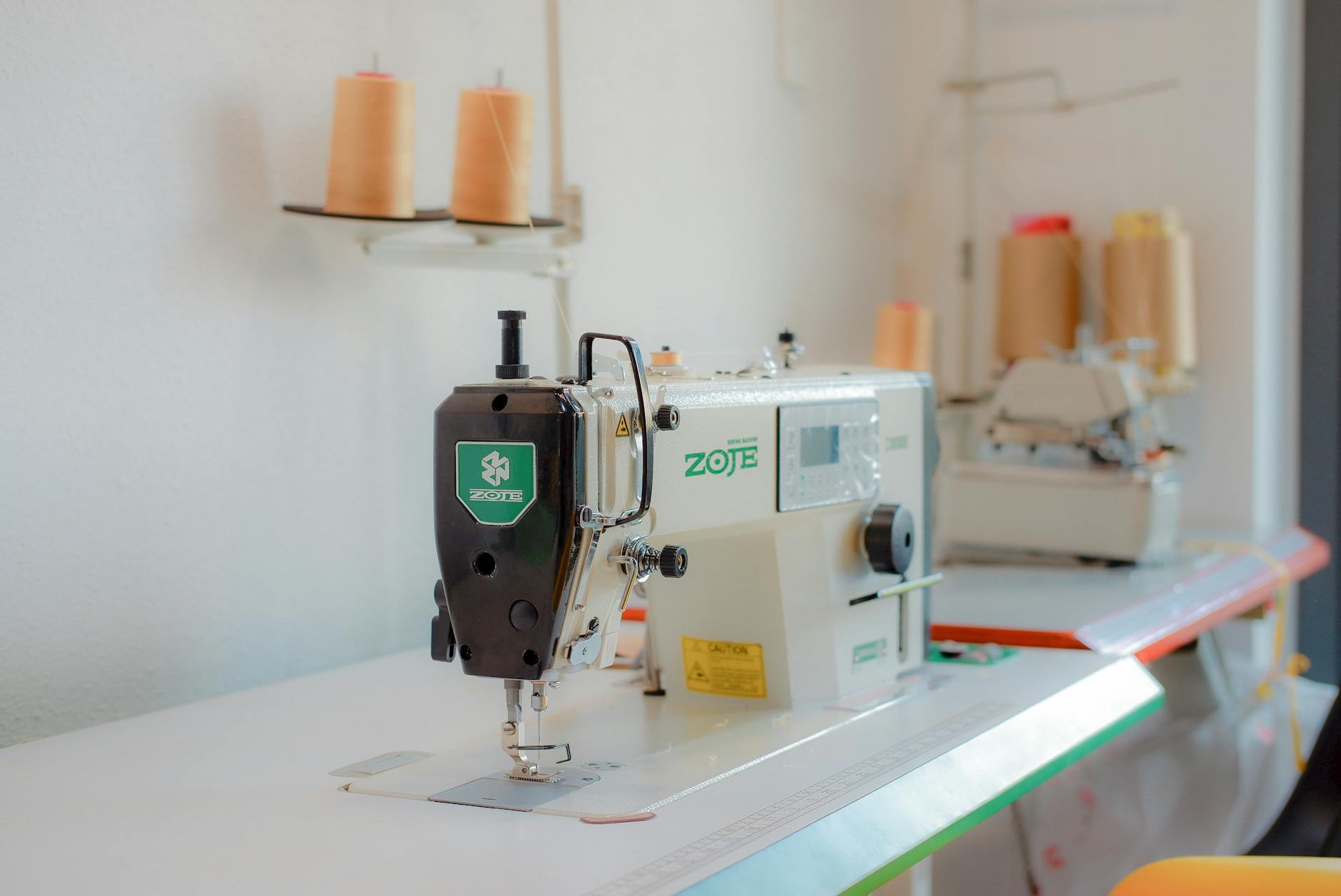
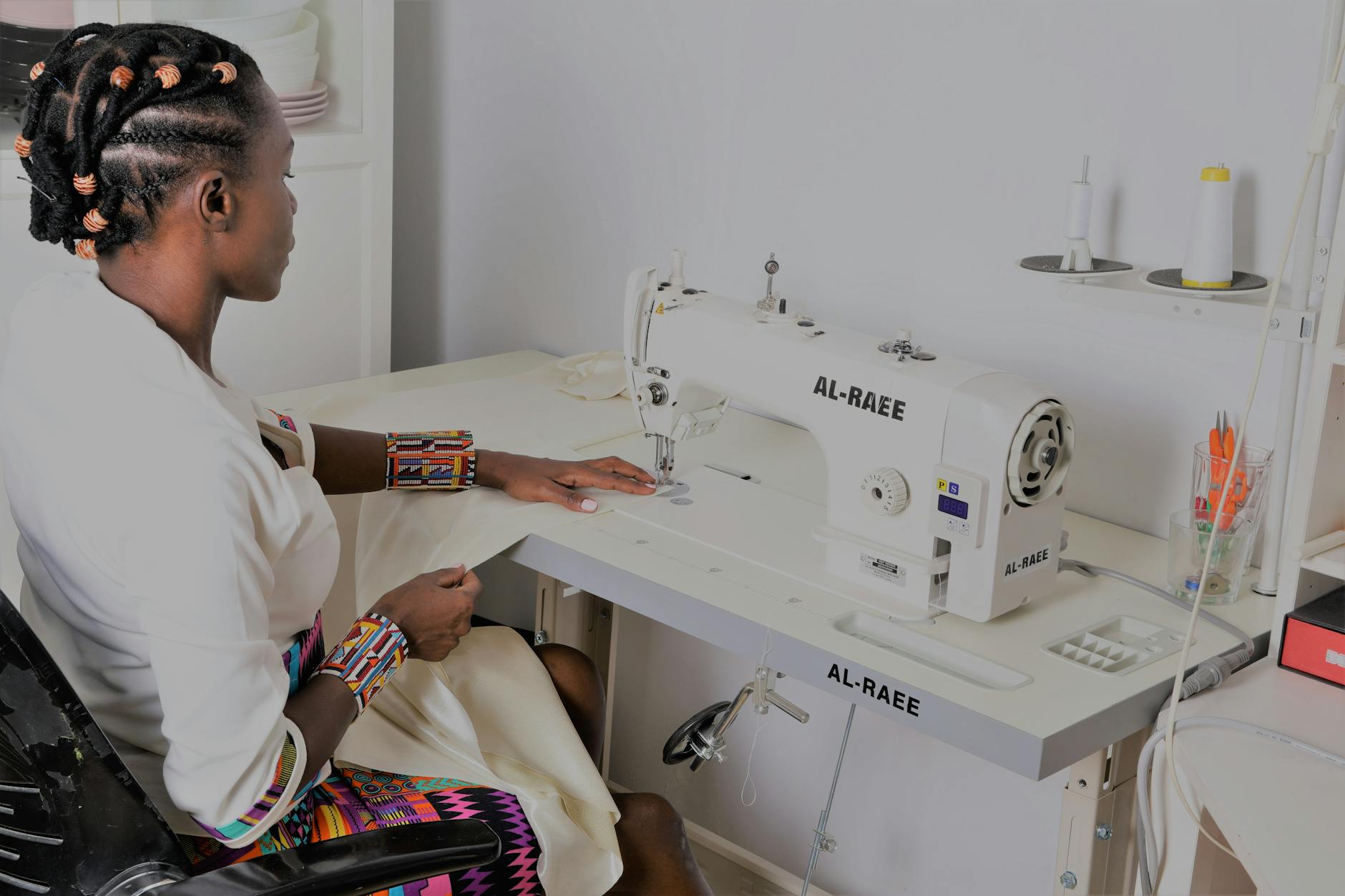
a sewing machine in a tailor workshop

In the realm of garment production, alterations, and crafts, the quality and efficiency of sewing equipment are paramount. Industrial sewing machines have long been the workhorses of the textile industry, renowned for their speed, durability, and precision. 

However, for many small-scale businesses, independent designers, and hobbyists, the space constraints and budget limitations pose a challenge when considering industrial-grade equipment… 

Enter the small industrial sewing machine – a compact yet powerful solution that bridges the gap between domestic sewing machines and full-sized industrial models.

Things to Consider When Choosing a Small Sewing Machine

If you’re looking for a small industrial sewing machine in Ghana, there are several options available depending on your specific needs. Here are a few considerations:

  • Type of Sewing: Industrial sewing machines come in various types such as straight stitch, zigzag, overlock, etc. Choose one based on the type of stitching you’ll be doing most often.
  • Portability: Since you’re looking for a small machine, portability might be a concern. Look for machines that are lightweight and easy to transport if you need to move them around frequently.
  • Durability: Industrial sewing machines are built for heavy-duty use, but some models might be more robust than others. Consider the materials they’re made of and read reviews to gauge their durability.
  • Brand and Model: Some popular brands for industrial sewing machines include Juki, Brother, Singer, and Consew. Each brand offers various models with different features and capabilities.
  • Price: Industrial sewing machines can vary significantly in price depending on their features and brand. Set a budget and look for machines within that range that meet your needs.
  • Additional Features: Consider any additional features you might need, such as automatic threading, adjustable stitch length, or built-in stitches.

Once you have a clear idea of your requirements, you can start researching specific models and comparing their features and prices to find the best small industrial sewing machine in Ghana for you.

Advantages of Small Industrial Sewing Machine in Ghana 

Small industrial sewing machines are compact yet powerful tools designed for professional sewing tasks in small-scale production environments, workshops, or home studios. These machines combine the durability and efficiency of industrial-grade sewing with the space-saving advantage of smaller dimensions. 

Here’s an overview of their key features and benefits:

  • Compact Size: Small industrial sewing machines are characterized by their reduced footprint compared to standard industrial models. This makes them ideal for settings where space is limited, such as small businesses, home-based enterprises, or hobbyists’ workspaces.
  • Robust Construction: Despite their compact size, these machines maintain the robust construction and heavy-duty capabilities typical of industrial sewing equipment. They are built to withstand continuous use and handle a variety of materials, from lightweight fabrics to heavy-duty materials like denim or leather.
  • High-Speed Stitching: Small industrial sewing machines are known for their high-speed stitching capabilities, allowing users to complete projects quickly and efficiently. This makes them suitable for small-scale production runs or tasks that require rapid stitching, such as garment manufacturing or alterations.
  • Versatility: While smaller in size, these machines often offer a range of stitching options to accommodate different sewing needs. They may include features such as straight stitching, zigzag stitching, overlock stitching, and more, providing versatility for various types of projects.
  • Portability: Many small industrial sewing machines are designed with portability in mind, featuring lightweight construction and ergonomic designs for easy transport and maneuverability. This makes them suitable for mobile sewing services, on-site repairs, or workshops where the machine needs to be moved frequently.
  • Cost-Effectiveness: Small industrial sewing machines offer a balance between professional-grade performance and affordability. While they may not have all the advanced features of larger industrial models, they provide excellent value for small businesses, independent designers, or hobbyists looking to upgrade from domestic sewing machines.
  • Reliability: Industrial sewing machines are renowned for their reliability and durability, and small industrial models are no exception. With proper maintenance and care, these machines can last for years, providing consistent performance and productivity for users.

Overall, Ghana small industrial sewing machines are versatile, durable, and efficient tools that cater to the needs of professionals and hobbyists alike. Whether you’re starting a small sewing business, expanding your production capabilities, or pursuing your creative passion at home, a small industrial sewing machine can be a valuable investment.

Exploring the Efficiency and Versatility of Small Industrial Sewing Machines

Below, we delve into the world of small industrial sewing machines, exploring their features, benefits, and applications.

Compact Size and Big Performance of a Small Industrial Sewing Machine

One of the defining characteristics of small industrial sewing machines is their compact size. Unlike their larger counterparts, these machines are designed to fit seamlessly into small workspaces, making them ideal for home studios, small workshops, or businesses with limited floor space. 

Despite their diminutive dimensions, small industrial machines pack a punch when it comes to performance. Built with the same level of durability and precision as standard industrial models, they offer high-speed stitching capabilities and can handle a wide range of materials with ease. 

From lightweight fabrics to heavy-duty materials like denim and leather, these machines deliver consistent results, making them indispensable tools for a variety of sewing tasks.

Small Industrial Sewing Machines are Durability and Reliability

Small industrial sewing machines sold in Ghana are built to last. Constructed with robust materials and engineering, they are capable of withstanding continuous use and demanding production schedules. 

Whether you’re sewing garments, upholstery, or accessories, you can rely on these machines to deliver consistent performance day in and day out. With proper maintenance and care, they can endure years of heavy use, making them a sound investment for businesses and hobbyists alike.

Versatility for Every Need: Hallmark of Small Industrial Sewing Machines

Despite their compact size, small industrial sewing machines offer a surprising level of versatility. Equipped with a range of stitching options, they can handle a variety of sewing tasks with precision and efficiency. 

From straight stitching and zigzag stitching to overlock stitching and more, these machines provide the flexibility to tackle different types of projects. Whether you’re creating clothing, home textiles, or intricate crafts, you’ll find that a small industrial sewing machine can adapt to your needs with ease.

Portability and Convenience Comes with Small Industrial Sewing Machines

Another advantage of small industrial sewing machines in Ghana is their portability. Unlike bulky industrial models that are stationary by design, these machines are lightweight and easy to transport. 

This makes them ideal for mobile sewing services, on-site repairs, or workshops where space is at a premium. With their ergonomic designs and user-friendly features, they offer unparalleled convenience and flexibility, allowing you to take your sewing projects wherever you go.

Cost-Effective Performance of a Small Industrial Sewing Machine

While industrial sewing machines are renowned for their efficiency and productivity, they often come with a hefty price tag. 

Small industrial sewing machines offer a cost-effective alternative for businesses and hobbyists looking to upgrade from domestic machines without breaking the bank.

 With their affordable price point and professional-grade performance, they represent a smart investment for anyone seeking to enhance their sewing capabilities.

In conclusion, small industrial sewing machines offer a compelling combination of efficiency, versatility, and convenience. 

With their compact size, durability, and affordability, they provide an ideal solution for small-scale businesses, independent designers, and sewing enthusiasts. 

Whether you’re creating garments, accessories, or home textiles, a small industrial sewing machine in Ghana can help you achieve professional results with ease.

 As the demand for high-quality sewing equipment continues to grow, these machines are poised to play an increasingly important role in the world of textiles and fashion.

Posted on

Buy Shoe Rack for Sale in Ghana: Shoe Organizers for an Orderly Space

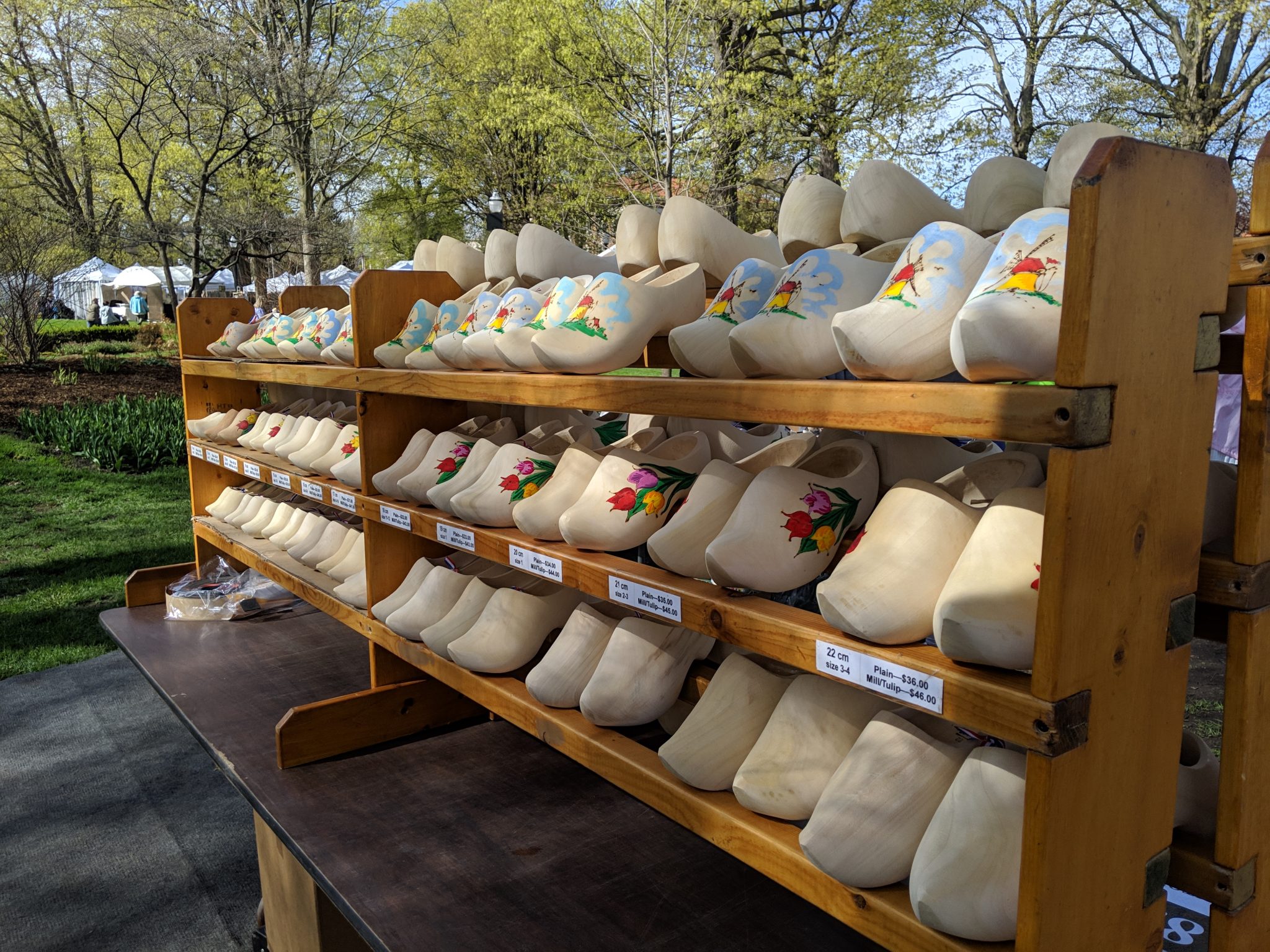
Shoe rack, klompen

Ghana, a nation vibrant with culture and steeped in history, also holds a unique place in the realm of furniture and home organization. 

Below, we delve into the intricate tapestry of the shoe rack market in Ghana. From traditional craftmanship to modern shoe stand solutions, the landscape offers a diverse range of options for individuals seeking to organize their footwear in this West African nation.

To understand the present state of the shoe racks in Ghana, it’s essential to explore the historical context that has influenced furniture-making traditions. 

Ghana boasts a rich heritage of craftsmanship, with artisans weaving intricate patterns into their creations. Traditional woodworking has been a prominent feature, and this legacy continues to shape the furniture market, including the production of shoe racks.

Shoe Rack in Ghana by Local Craftsmanship 

One of the notable aspects of the shoe rack market in Ghana is the prevalence of local craftsmanship. Artisans, often working within traditional markets and bazaars, bring forth a unique blend of skill and cultural influence in crafting shoe racks. 

These locally made racks often showcase the artisan’s creativity, utilizing materials such as wood, metal, or a combination of both.

Local furniture stores scattered across Ghana’s cities and towns serve as hubs for these handcrafted shoe racks. The designs range from simple and functional to ornate and decorative, reflecting the diversity of Ghana’s artistic traditions.

Materials and Design Diversity for Ghana Shoe Stands

In exploring where to buy shoe rack in Ghana, it’s evident that the choice of materials plays a crucial role. Wood, a staple in Ghanaian furniture-making, takes center stage. 

Softwoods such as pine or hardwoods like mahogany and teak are commonly used, each offering its unique blend of durability and aesthetics.

The diversity of designs is equally striking. From minimalist racks with clean lines to more elaborate pieces adorned with traditional motifs, consumers in Ghana can find a shoe rack for sale that not only serves a functional purpose but also resonates with their cultural sensibilities.

Shoe Rack Website: E-commerce and Modern Solutions for Stand Organizers

In recent years, the emergence of e-commerce platforms has brought modernity to the Ghanaian shoe rack market. Websites like FLAIROC, Hasmia.com and CETECH Ghana have provided a platform for sellers to showcase their products, reaching a broader audience. 

This digital shift has allowed Ghanaians to explore a variety of shoe racks without leaving the comfort of their homes.

Online platforms also open avenues for international designs to influence the local market. Consumers in Ghana can now access a range of shoe racks, from contemporary and sleek designs to innovative modular solutions. This shift towards modernity coexists harmoniously with the rich tapestry of traditional craftsmanship.

Consumer Preferences and Lifestyle Influences Affect Shoe Rack Price in Ghana

Understanding consumer preferences is key to comprehending the dynamics of the shoe racks for sale in Ghana. In urban areas, where modern living spaces often demand efficient storage solutions, consumers may lean towards modular and space-saving designs. 

In contrast, in rural settings, traditional handmade shoe racks may find more resonance.

Lifestyle influences, such as the growing urbanization and increasing disposable incomes in certain demographic segments, also impact the market. 

As Ghanaians embrace contemporary living, there is a rising demand for functional yet aesthetically pleasing shoe racks that seamlessly integrate with modern interiors.

While the shoe rack market in Ghana presents a vibrant picture, some challenges need consideration. The influx of mass-produced, cheaper alternatives from international markets may pose a threat to local craftsmanship. 

The delicate balance between preserving traditional techniques and embracing modernity is a challenge that both artisans and consumers grapple with.

However, these challenges also present opportunities for innovation and collaboration. Initiatives that blend traditional craftsmanship with modern design sensibilities can create unique products that cater to a global market while preserving Ghana’s rich heritage.

Environmental Considerations for Buying Shoe Rack in Ghana

As sustainability gains prominence globally, the shoe rack market in Ghana is not immune to the call for eco-friendly solutions. 

Consumers are increasingly seeking products made from responsibly sourced materials, and this demand is influencing the choices made by both local artisans and manufacturers. 

Sustainable practices in woodworking and the use of eco-friendly finishes are becoming integral to the industry.

Online Shoe Racks for Sale in Ghana and Offline Shoe Rack Prices in Ghana

The shoe racks in Ghana is a dynamic tapestry woven with threads of tradition, craftsmanship, and modernity. 

These shoe organizers can be acquired from the bustling markets showcasing handmade racks to the digital platforms offering a glimpse of global designs, the options are diverse and reflective of the nation’s evolving lifestyle.

As Ghana navigates the intersection of tradition and modernity, the shoe rack market stands as a microcosm of the larger conversation surrounding cultural preservation, economic progress, and environmental consciousness. 

Shoe stand consumers, armed with a myriad of choices, become not just a participant in the market but a custodian of a legacy that continues to shape the furniture landscape in this vibrant West African nation.

Posted on

Sewing Up a Future: The Rise of Industrial Sewing Machines in Ghana

seamstress stitching clothing item on sewing machine

Ghana’s garment industry is booming, and at the heart of this growth are industrial sewing machines. These robust workhorses are transforming the way clothing is made in the country, from small workshops to large export-oriented factories.

From Humble Beginnings

Traditionally, sewing in Ghana was done by hand or with basic domestic machines. This limited production capacity and made it difficult to compete with imported garments. However, the introduction of industrial sewing machines has changed the game.

Industrial Advantages

Industrial sewing machines offer several advantages over their domestic counterparts:

  • Speed and efficiency: They can stitch at much faster speeds, significantly increasing production output.
  • Versatility: They can handle a wider range of materials and tasks, from delicate fabrics to heavy leather.
  • Durability: They are built to last, making them a worthwhile investment for businesses.
  • Precision: They produce consistent and accurate stitches, essential for high-quality garments.

The Impact on Ghana’s Garment Industry

The rise of industrial sewing machines has had a profound impact on Ghana’s garment industry:

  • Increased production: Ghanaian garment factories are now producing more clothes than ever before.
  • Job creation: The need for skilled operators and technicians has led to the creation of new jobs.
  • Export potential: Ghanaian-made garments are now being exported to international markets, earning valuable foreign exchange for the country.
  • Entrepreneurship: Industrial sewing machines are making it easier for people to start their own garment businesses.

Challenges and Opportunities

Despite the positive impact, there are also challenges associated with the use of industrial sewing machines in Ghana:

  • Cost: Industrial sewing machines are expensive, and access to financing can be difficult for small businesses.
  • Training: There is a need for more skilled operators and technicians to maintain and operate the machines effectively.
  • Competition: Ghanaian garment manufacturers face stiff competition from countries with lower labor costs.

Looking Ahead

Despite the challenges, the future of industrial sewing machines in Ghana is bright. The government is investing in training programs and providing support to small businesses. With continued investment and innovation, Ghana’s garment industry has the potential to become a major force in the global market.

Types of Industrial Sewing Machines in Ghana

There are a variety of industrial sewing machines available in Ghana, each with its own strengths and weaknesses. Some of the most common types include:

  • Lockstitch machines: These are the most versatile type of machine and can be used for a wide range of tasks.
  • Overlock machines: These machines are used to finish the edges of fabric and prevent fraying.
  • Coverstitch machines: These machines are used to create a decorative stitch on the edge of fabric.
  • Bartack machines: These machines are used to reinforce seams and prevent them from tearing.

The choice of machine will depend on the specific needs of the business. For example, a small workshop might only need a basic lockstitch machine, while a large factory might need a variety of different machines.

Finding Industrial Sewing Machines in Ghana

There are a number of places to buy industrial sewing machines in Ghana. Some of the most popular options include:

  • Sewing machine dealerships: These dealerships sell a variety of brands and models of machines.
  • Online retailers: A growing number of online retailers are now selling industrial sewing machines in Ghana.
  • Used machine markets: There are a number of markets where you can buy used industrial sewing machines.

When purchasing an industrial sewing machine, it is important to consider the following factors:

  • Your budget: Industrial sewing machines can range in price from a few thousand Ghana cedis to tens of thousands of cedis.
  • Your needs: What types of garments will you be sewing? What features are important to you?
  • The warranty: Make sure the machine comes with a good warranty.
  • Parts and service: Make sure you can easily get parts and service for the machine.

With careful planning and research, you can find the right industrial sewing machine to help you take your business to the next level.

Posted on

Stitching Together Success: The Rise of Industrial Sewing Machines in Ghana

person sewing

Ghana’s vibrant textile industry is booming, and at its heart lies a powerful force: the industrial sewing machine. Replacing the rhythmic tap-tap-tap of the traditional treadle machines, these modern marvels are driving production, fueling entrepreneurship, and shaping Ghana’s fashion landscape.

From Humble Beginnings to High-Tech Efficiency:

For generations, Ghanaian seamstresses relied on manual sewing machines, painstakingly crafting garments one stitch at a time. This limited production and hindered growth. But the arrival of industrial sewing machines, with their high speeds and diverse functionalities, has transformed the scene.

A Stitch for Every Need:

The variety of industrial sewing machines available caters to diverse needs. Lockstitch machines sew strong, durable seams for bags and footwear, while overlock machines create neat edges on delicate fabrics. Flatlock machines tackle heavy materials like leather, while embroidery machines add intricate embellishments. This specialization allows businesses to cater to specific market demands, boosting their competitiveness.

Empowering Entrepreneurs:

Industrial sewing machines are not just tools; they are catalysts for entrepreneurship. Their speed and efficiency enable small businesses to produce larger quantities of garments, increasing their income and creating jobs. Women entrepreneurs are particularly benefiting, as they can now manage their own sewing workshops and generate their own income.

Challenges and Opportunities:

Despite the undeniable benefits, challenges remain. The initial cost of an industrial sewing machine can be a barrier to entry for many aspiring entrepreneurs. Additionally, access to spare parts and skilled technicians for repairs and maintenance can be limited in some areas.

However, the Ghanaian government and private sector are working together to address these challenges. Initiatives like skills training programs and micro-loan schemes are helping entrepreneurs acquire the machines and knowledge needed to succeed.

Beyond Fashion:

The impact of industrial sewing machines extends beyond the fashion industry. They are also being used in the production of medical supplies, car upholstery, and other essential goods. This diversification is creating new opportunities for businesses and further contributing to Ghana’s economic growth.

A Stitch in Time Saves Nine:

In conclusion, the rise of industrial sewing machines in Ghana is a testament to the country’s entrepreneurial spirit and its commitment to innovation. These powerful machines are not just stitching fabrics; they are stitching together a future of prosperity and self-reliance for Ghana’s textile industry and beyond.

Posted on

Stitching Together Innovation: The Hand Sewing Machine in Ghana

a person wearing a diamond ring using a sewing machine

Stitching Together Innovation: The Hand Sewing Machine in Ghana

Across Ghana, the rhythmic click-clack of needles piercing fabric is a familiar soundtrack. But beneath the dexterity of nimble fingers, a quiet revolution is brewing – one powered not by electricity, but by ingenuity and resilience. This is the story of the hand sewing machine, a humble tool weaving a new narrative of economic empowerment and cultural preservation in Ghanaian communities.

For generations, hand sewing has been an essential skill passed down through families, a cornerstone of craftsmanship and self-reliance. However, the rise of mass-produced clothing threatened this tradition, making it difficult for local tailors to compete. Enter the hand sewing machine, a lightweight, portable marvel that democratizes garment production.

These miniature marvels, often resembling staple guns or oversized pliers, are powered by the user’s hand crank. They stitch fabrics of varying thickness, creating durable seams that can mend torn clothes or fashion garments from scratch. Their portability allows tailors to work anywhere, from bustling markets to remote villages, and their affordability makes them accessible to aspiring entrepreneurs.

The impact of the hand sewing machine is undeniable. Tailors are experiencing increased income and independence. Women, traditionally underrepresented in the tailoring sector, are finding a pathway to financial security. Communities are rediscovering the value of local craftsmanship, fostering a sense of cultural pride.

However, challenges remain. Access to quality machines and spare parts can be limited, especially in rural areas. Training and skill development are crucial to ensure users maximize the potential of these tools. Additionally, promoting the value of handmade clothing and supporting local markets are essential for the long-term sustainability of this movement.

Despite these challenges, the hand sewing machine is a beacon of hope in Ghana. It is a testament to the power of human ingenuity and the unwavering spirit of a nation. It is a story not just about stitches and seams, but about resilience, community, and the unwavering pursuit of self-determination.

So, the next time you see a Ghanaian tailor expertly wielding their hand sewing machine, remember the quiet revolution it represents. It is a revolution stitched with threads of opportunity, independence, and cultural pride, weaving a brighter future for communities across the nation, one stitch at a time.

It Starts with You:

  • Support Ghanaian tailors and artisans by choosing locally made clothing.
  • Advocate for access to training and resources for hand sewing machine users.
  • Celebrate and promote the cultural value of handmade crafts.

Together, we can ensure that the click-clack of the hand sewing machine continues to be a song of empowerment, resilience, and hope in Ghana.

Posted on

Ghana’s Stitching Success: The Rise of Industrial Sewing Machines

white sewing machine

Ghana’s textile industry is a vibrant tapestry, woven with threads of tradition, innovation, and a growing reliance on the steady hum of industrial sewing machines. These powerful machines are not just tools; they’re the backbone of a thriving sector, powering garment production, empowering entrepreneurs, and stitching together a brighter future for the nation.

From Humble Beginnings to High-Tech Threads:

For decades, Ghanaian garment production relied heavily on manual sewing machines, a testament to the skill and dedication of local artisans. However, the need for efficiency and scalability led to the introduction of industrial sewing machines in the late 20th century. These machines, with their robust construction and high speeds, revolutionized the industry, allowing for mass production and increased export opportunities.

The Power of Choice:

Today, Ghana’s industrial sewing machine landscape is diverse. From established brands like Brother and Juki to up-and-coming local manufacturers like SGGEMSY, the range caters to a variety of needs and budgets. Single-needle machines handle delicate tasks, while overlock machines add professional finishing touches. Specialized machines like sack sewing machines cater to specific industries, while embroidery machines add a touch of flair.

Fueling Entrepreneurship and Growth:

The accessibility of industrial sewing machines has empowered a generation of Ghanaian entrepreneurs. Small businesses and cooperatives are now able to compete with larger players, producing everything from school uniforms and casual wear to traditional kente cloths and high-fashion garments. This not only creates jobs but also fosters local innovation and design.

Beyond the Stitches:

The impact of industrial sewing machines extends beyond the garment industry. They play a crucial role in the production of leather goods, bags, and even furniture. They support the thriving recycling sector, giving new life to discarded fabrics through upcycling. And they contribute to the development of Ghana’s technical skills, with training centers and workshops equipping individuals with the knowledge to operate and maintain these machines.

Challenges and Opportunities:

Despite its success, the industrial sewing machine sector faces challenges. Access to affordable financing, reliable spare parts, and skilled technicians can be hurdles for small businesses. Additionally, competition from global markets and the need for continuous innovation require the industry to adapt and evolve.

However, the future looks bright for Ghana’s industrial sewing machine sector. With government initiatives supporting the textile industry, a growing awareness of the value of locally-made products, and the ingenuity of Ghanaian entrepreneurs, the whirring of these machines promises to continue stitching together a prosperous future for the nation.

Posted on

Electric Sewing Machines: A Stitch Above the Rest in Ghana

shallow focus photo of sewing machine

Electric sewing machines have revolutionized the sewing industry in Ghana, transforming it from a labor-intensive practice to a more efficient and productive one. These machines have not only empowered individual tailors and seamstresses but also boosted the growth of small-scale garment production, creating jobs and contributing to the Ghanaian economy.

The Rise of Electric Sewing Machines in Ghana

Traditionally, sewing in Ghana was done by hand, a slow and tedious process. The introduction of treadle sewing machines in the early 20th century marked a significant improvement, but it was the arrival of electric sewing machines in the latter half of the century that truly revolutionized the craft.

Electric sewing machines offered several advantages over their manual counterparts. They were faster, easier to operate, and more versatile. They could handle a wider range of fabrics and stitches, making them ideal for creating more intricate and elaborate designs.

The Impact of Electric Sewing Machines

The widespread adoption of electric sewing machines has had a profound impact on the Ghanaian sewing industry. It has:

  • Increased productivity: Electric machines have significantly reduced the time and effort required to sew garments. This has allowed tailors and seamstresses to produce more clothes in a shorter time, leading to increased income and business growth.
  • Improved quality: Electric machines provide greater control and precision over stitching, resulting in garments with better quality and finish.
  • Enhanced creativity: The versatility of electric machines has opened up new possibilities for creative expression. Tailors and designers can now experiment with different stitches, fabrics, and embellishments to create unique and stylish garments.
  • Created jobs: The growth of the sewing industry has led to the creation of new jobs, both directly in garment production and in supporting industries such as fabric supply and machine repair.

Challenges and Opportunities

Despite the positive impact of electric sewing machines, there are still some challenges facing the industry in Ghana. These include:

  • Access to finance: The initial cost of purchasing an electric sewing machine can be a barrier for some aspiring tailors and seamstresses.
  • Availability of spare parts: The lack of readily available spare parts for some machines can lead to downtime and lost income.
  • Training and skills development: More needs to be done to provide training and skills development opportunities for tailors and seamstresses to help them fully utilize the potential of electric sewing machines.

Despite these challenges, the future of electric sewing machines in Ghana is bright. The growing demand for locally-made garments, coupled with government initiatives to support the industry, creates a promising outlook for the sector. With continued investment and support, electric sewing machines can continue to play a vital role in empowering Ghanaian tailors and seamstresses, driving economic growth, and preserving the country’s rich textile heritage.

Some of the Popular Electric Sewing Machine Brands in Ghana

  • Singer
  • Brother
  • Juki
  • Jack
  • Butterfly

These brands offer a variety of electric sewing machines to suit different needs and budgets. When choosing a machine, it is important to consider factors such as your budget, sewing experience, and the types of projects you will be working on.

I hope this article has given you a brief overview of electric sewing machines in Ghana. If you are interested in learning more about sewing or starting your own sewing business, I encourage you to do some research and talk to experienced tailors and seamstresses in your community.

I would also like to add that the Ghanaian government has taken steps to support the growth of the sewing industry. In 2019, the government launched the “One District, One Factory” initiative, which aims to establish at least one factory in each of Ghana’s 226 districts. The initiative includes a focus on garment production, and several factories have already been established that produce clothing using electric sewing machines.

I believe that electric sewing machines have the potential to play a significant role in the development of Ghana’s economy. By empowering tailors and seamstresses, these machines can create jobs, boost incomes, and contribute to the growth of the garment industry. With continued investment and support, electric sewing machines can help Ghana stitch a brighter future for itself.