Posted on

Stitching Success: The Rise of Electric Sewing Machines in Ghana

assorted color sewing machine

Ghana’s vibrant textiles and thriving fashion scene are woven together by a new thread: the electric sewing machine. Once a luxury reserved for professional tailors, these machines are now buzzing in homes and workshops across the country, empowering individuals and transforming livelihoods.

From Tradition to Technology:

For generations, Ghanaians relied on manual treadle sewing machines, a skill passed down through families. While these machines continue to hold cultural significance, electric sewing machines offer undeniable advantages. They’re faster, quieter, and easier to use, reducing fatigue and allowing sewers to tackle larger projects with greater precision.

Fueling Entrepreneurial Dreams:

The affordability and accessibility of electric sewing machines are fueling a wave of entrepreneurship. Tailors are expanding their businesses, taking on more clients, and creating new income streams. Women, especially, are finding economic independence by starting home-based sewing businesses, designing and producing clothing, accessories, and even home goods.

Beyond Basics:

The market is not just about basic machines. Advanced models with features like automatic needle threading, built-in stitch patterns, and even computer-aided design are finding their way into Ghanaian hands. This opens doors to more complex garment construction, embroidery, and even personalized designs, further boosting creativity and income potential.

Challenges and Opportunities:

Despite the surge in popularity, challenges remain. Access to reliable electricity can be a hurdle in some areas. Additionally, training and maintenance support are crucial to ensure long-term use of these machines. Investing in skills development programs and readily available spare parts can unlock the full potential of electric sewing machines in Ghana.

A Stitched Future:

The whirring of electric sewing machines across Ghana is a testament to the country’s entrepreneurial spirit and its embrace of technology. These machines are not just tools; they are threads of hope, weaving a future of empowerment, creativity, and economic prosperity, one stitch at a time.
Posted on

Stitching Progress: The Rise of Industrial Sewing Machines in Ghana

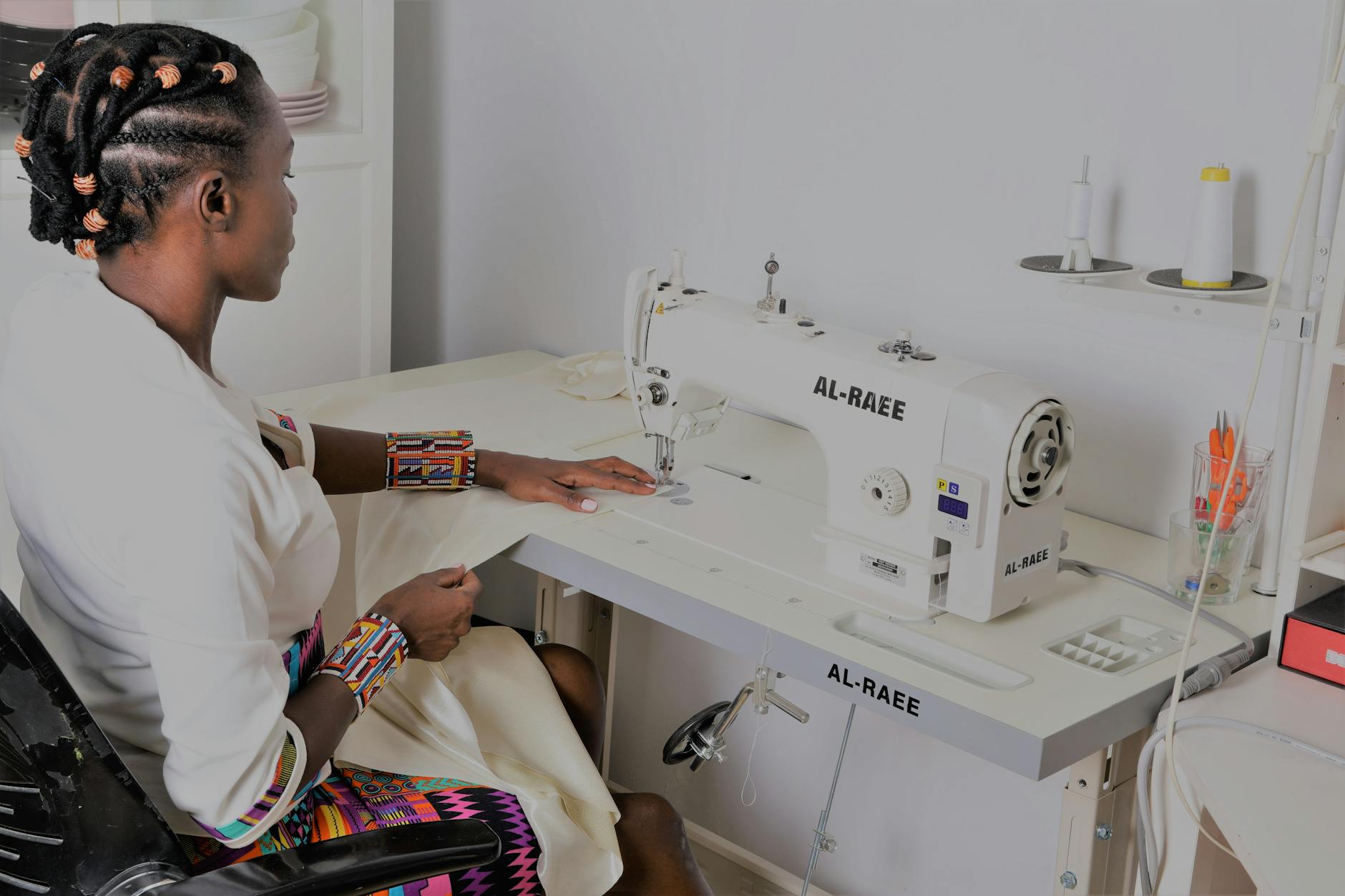
young woman sitting by a sewing machine

Ghana’s vibrant textile industry pulsates with the rhythmic hum of industrial sewing machines. From bustling marketplaces to burgeoning garment factories, these powerful tools are fueling a surge in creativity and production, weaving dreams into threads of prosperity.

From Humble Beginnings: Traditionally, Ghanaian garments were crafted with hand-operated sewing machines, a practice demanding immense skill and patience. While still cherished for their artistry, these machines couldn’t keep pace with the growing demand for affordable, readily available clothing. The arrival of industrial sewing machines in the late 20th century marked a turning point. Their speed, efficiency, and versatility breathed new life into the sector.

Fueling a Fashion Revolution: Today, industrial sewing machines are the backbone of Ghana’s garment production. Small workshops and large factories alike rely on these workhorses to stitch together everything from school uniforms to exquisite kente cloths. The variety of machines is staggering, catering to diverse needs. Lockstitch machines churn out sturdy denim jeans, while overlock machines add delicate finishing touches to airy chiffon dresses. Embroidery machines paint intricate patterns on fabrics, transforming blank canvases into vibrant masterpieces.

Beyond Garments: The impact of industrial sewing machines extends far beyond the realm of fashion. They empower entrepreneurs, fostering the growth of small and medium-sized businesses. Local designers can translate their visions into tangible garments, building self-sufficient brands and creating employment opportunities. Leatherworkers transform hides into durable bags and shoes, while upholsterers breathe new life into furniture.

Challenges and Opportunities: Despite the undeniable benefits, challenges remain. Access to financing for purchasing and maintaining machines can be a hurdle for budding entrepreneurs. Additionally, skills training is crucial to ensure efficient operation and prevent damage to expensive equipment. Nevertheless, initiatives like vocational training programs and microloan schemes are paving the way for a brighter future.

A Stitch in Time Saves Nine: The industrial sewing machine is not just a tool; it’s a symbol of progress and resilience. With each whirring gear and rhythmic needle dance, it stitches together not just fabrics, but also dreams and livelihoods. As Ghana’s garment industry continues to flourish, the humble industrial sewing machine remains its steady heart, propelling the nation towards a future woven with prosperity and self-reliance.

Posted on

Stitching Progress: Hand Sewing Machines in Ghana

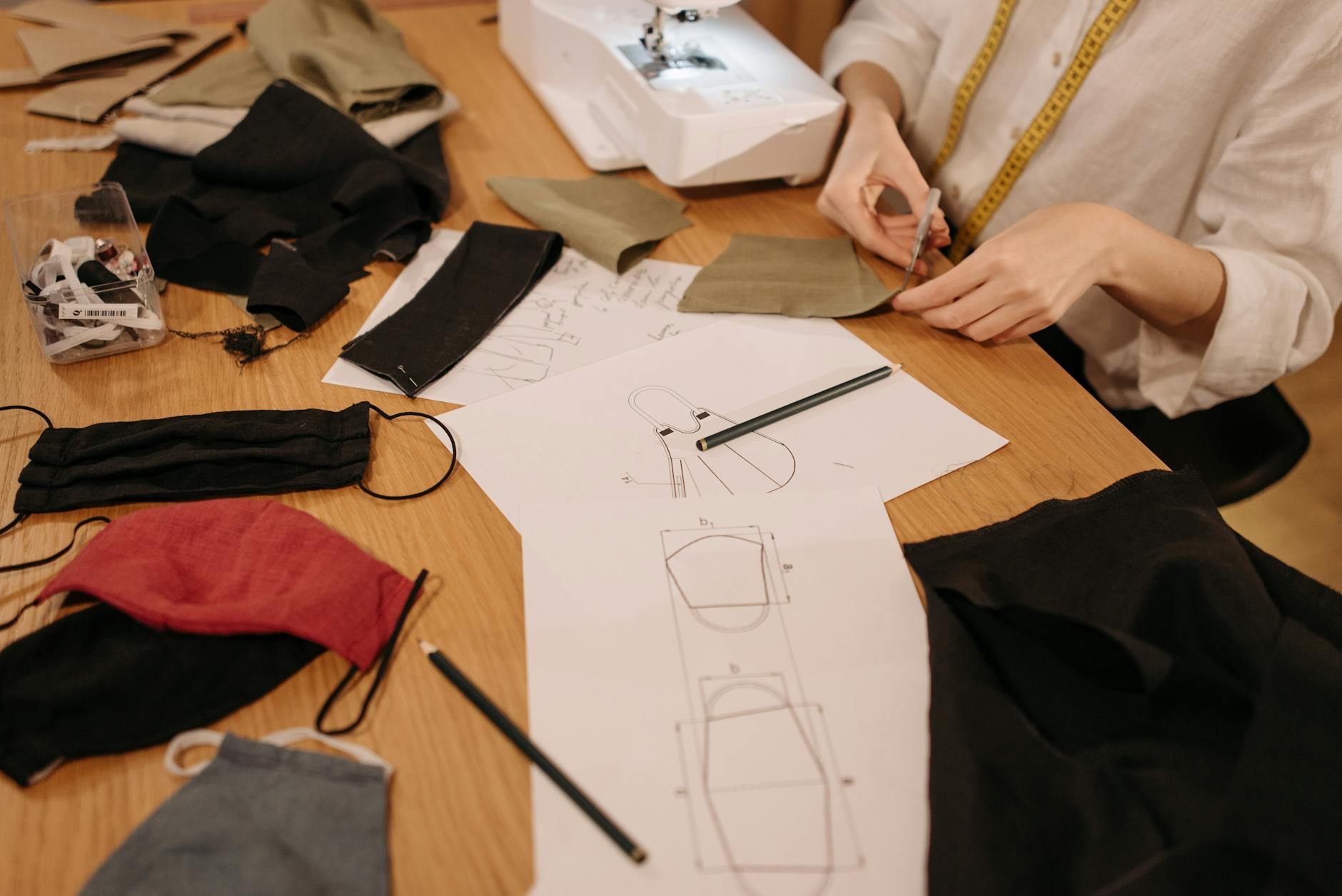
a person making cloth face masks

In Ghana, where vibrant textiles and intricate patterns adorn everyday life, the humble hand sewing machine plays a vital role. More than just a tool for clothing repairs, it’s a symbol of resilience, creativity, and cultural expression.

For generations, Ghanaians have relied on hand sewing techniques passed down through families. Mothers taught daughters the art of threading needles, maneuvering fabric, and weaving stories with every stitch. These skills weren’t just for personal use; they were a source of income, allowing women to mend clothes, create garments for sale, and contribute to the household economy.

However, the arrival of modern, electric sewing machines in the late 20th century threatened to eclipse these traditional methods. While the efficiency of electric machines was undeniable, the initial cost and reliance on electricity made them inaccessible to many. This is where the hand sewing machine, affordable and portable, stepped in.

Known locally as “Kayayie” or “Apampa,” these small, hand-cranked machines became a lifeline for countless Ghanaians. Tailors could set up shop in any market or village square, their rhythmic clanging a familiar soundtrack to daily life. Women could mend clothes on the go, ensuring their families stayed presentable despite the wear and tear of daily activities.

Beyond practicality, hand sewing machines fostered a culture of creativity and resourcefulness. With limited access to pre-made garments, Ghanaians used their skills to transform salvaged materials into unique pieces. Discarded fabrics, leftover scraps, and even plastic bags were given new life through the magic of the needle and thread.

This spirit of innovation is evident in the thriving Ghanaian fashion industry. Renowned designers like Kofi Ansah and Afua Sam draw inspiration from traditional techniques and incorporate hand-stitched elements into their contemporary designs. Their work showcases the versatility and beauty of hand sewing, pushing its boundaries beyond basic repairs to the realm of high fashion.

The future of hand sewing machines in Ghana is not without its challenges. The influx of cheap, mass-produced garments threatens the livelihood of local tailors. However, the growing appreciation for handmade goods and the cultural significance of these machines offer hope for their continued relevance.

In conclusion, the hand sewing machine in Ghana is more than just a tool; it’s a thread that connects generations, weaves communities together, and stitches stories onto the fabric of life. As the country continues to evolve, it’s essential to recognize the value of these machines and the skills they represent. By supporting local artisans and promoting the beauty of hand sewing, we can ensure that the rhythmic clanging of Kayayie machines continues to be a vibrant part of Ghana’s cultural landscape.

Posted on

Stitching Success: Hand Sewing Machines Find a Home in Ghana

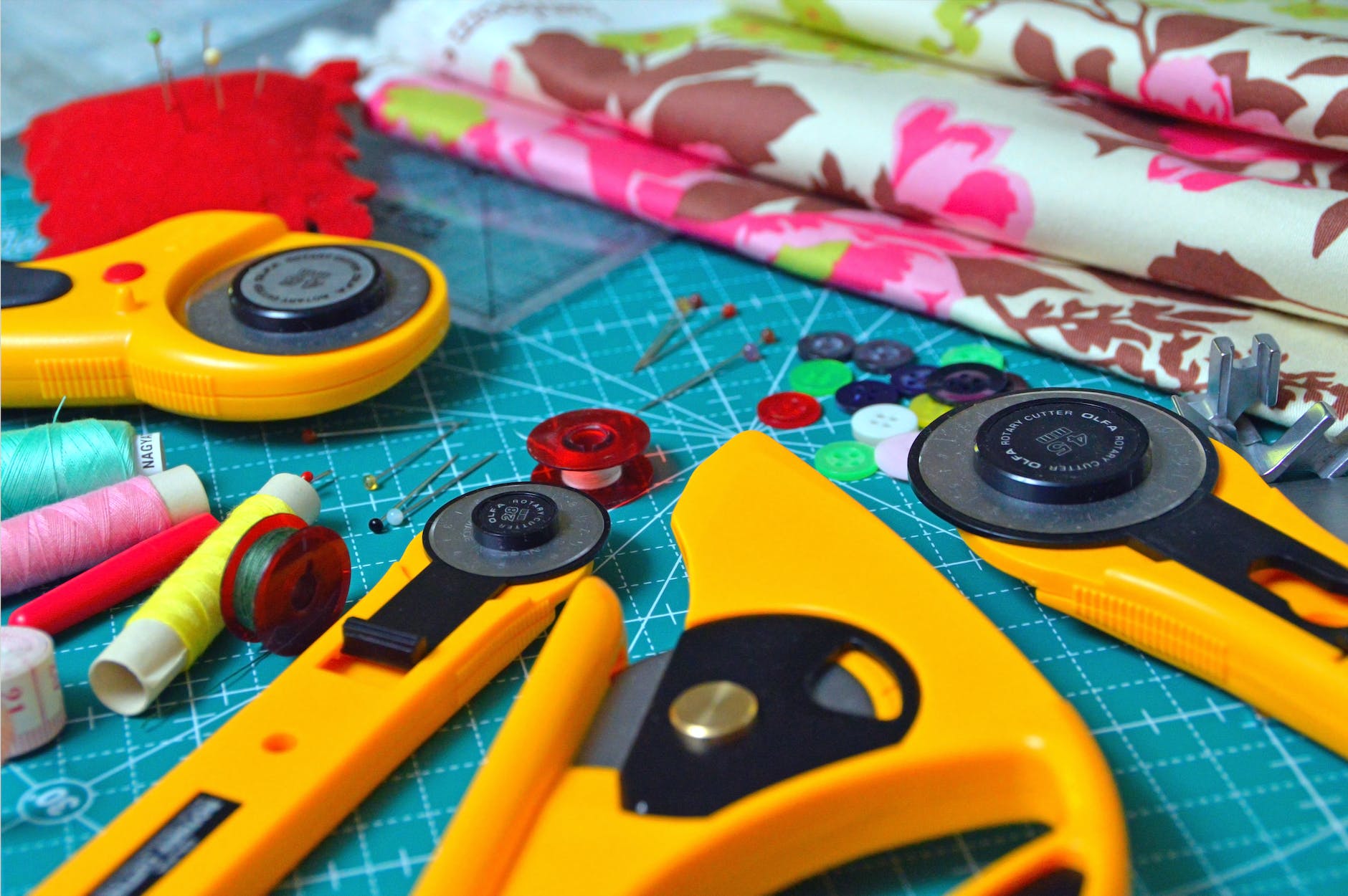
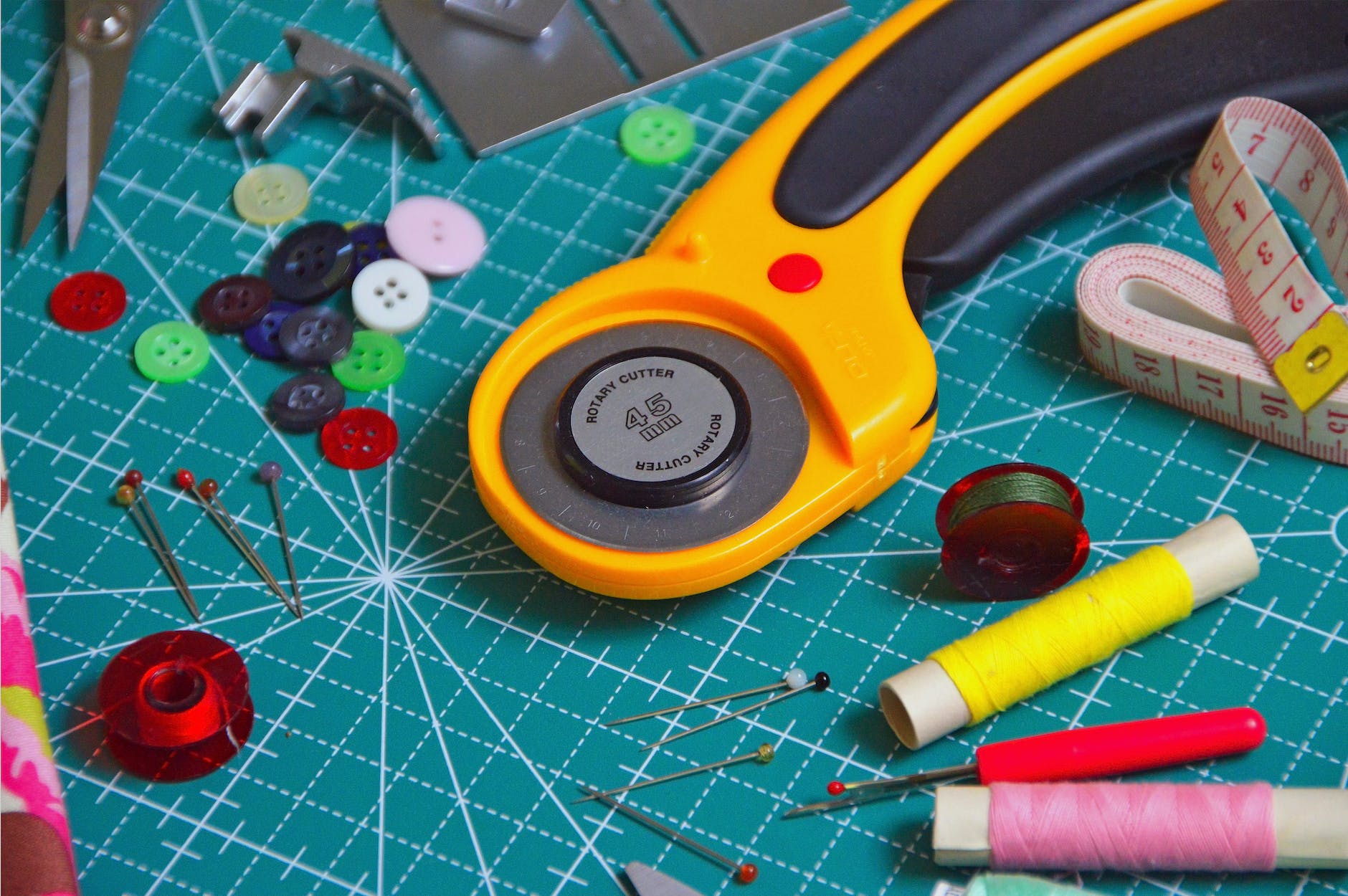
yellow measuring tool lot

In the vibrant tapestry of Ghanaian life, a familiar rhythm echoes alongside the thrumming of traditional drums and the bustling of marketplaces. It’s the click-clack of the hand sewing machine, a humble tool weaving its way into the fabric of communities across the country.

Ghana’s history with sewing is deeply rooted. Textiles, with their vibrant patterns and cultural significance, have long been a cornerstone of Ghanaian identity. However, access to modern sewing machines, crucial for large-scale production, often remained out of reach for many. Enter the hand sewing machine, a compact and affordable alternative that transformed the game.

These nimble companions, often handheld or pedal-powered, offered a portable powerhouse of creativity. Tailors and seamstresses could bring their craft anywhere, from bustling city markets to remote villages. Clothes were mended, new garments stitched, and livelihoods empowered.

The impact extends beyond practicality. Hand sewing machines have become instruments of social and economic change. Women, traditionally underrepresented in formal employment, found an avenue for income generation and independence. Young entrepreneurs discovered a platform to launch their own tailoring businesses. Communities flourished with locally-made garments, reducing reliance on imported fashion and boosting national pride.

But the story isn’t without its challenges. Limited access to spare parts and training can hamper smooth operation. Competition from mass-produced clothing threatens local markets. Despite these hurdles, the spirit of Ghanaian ingenuity shines through. Local artisans are adapting designs, experimenting with materials, and building networks for support and knowledge sharing.

The future of hand sewing machines in Ghana is as bright as the kente cloth they help create. With continued innovation, training opportunities, and market support, these tiny machines can empower even more Ghanaians, stitch together sustainable livelihoods, and keep the vibrant threads of Ghanaian textile heritage woven strong for generations to come.

Posted on

Stitching the Future: Electric Sewing Machines in Ghana

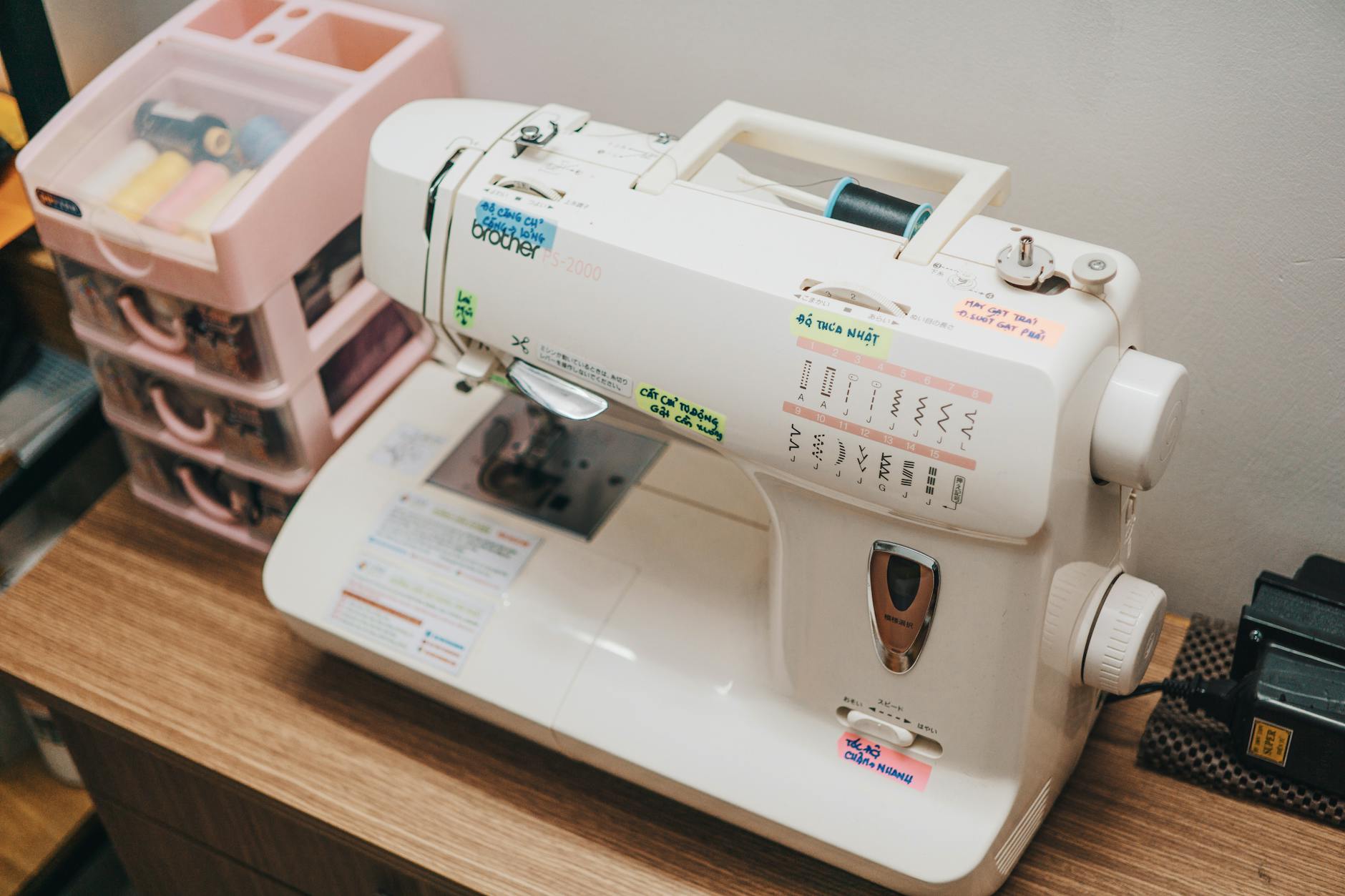
white sewing machine

Ghana, a nation renowned for its vibrant textiles and rich tailoring traditions, is witnessing a surge in popularity of electric sewing machines. These machines, once considered luxury items, are now increasingly accessible to everyday Ghanaians, transforming the way clothes are made, repaired, and dreamed up.

From Treadle to Plug: Traditionally, Ghanaian tailoring relied on treadle sewing machines, requiring manual foot-power to operate. While still prevalent, electric machines offer several advantages. They are faster, quieter, and easier to use, especially for beginners. This efficiency allows tailors to take on more orders and complete them in less time, boosting their income and catering to a growing demand for custom clothing.

Beyond Basic Stitches: Modern electric machines come packed with features that go beyond simple straight lines. Many offer a range of built-in stitches, from zigzag to buttonhole, enabling tailors to create intricate embellishments and professional finishes. This opens doors to new design possibilities, catering to diverse styles and preferences.

Empowering Entrepreneurs: Electric sewing machines are not just tools for tailors; they are powerful tools for entrepreneurs. With a machine and a skilled hand, individuals can launch their own clothing businesses, creating unique pieces and generating income. This is particularly empowering for women, who traditionally dominate the tailoring trade, giving them greater control over their livelihoods and economic independence.

Challenges and Opportunities: Despite the benefits, challenges remain. Access to electricity, particularly in rural areas, can be limited. Additionally, the initial cost of purchasing a machine can be a barrier for some. However, initiatives by government agencies, NGOs, and private companies are addressing these challenges by providing access to financing, training programs, and even solar-powered sewing machines.

A Stitch in Time Saves Nine: Electric sewing machines are not just changing the way clothes are made; they are stitching together a brighter future for many Ghanaians. By boosting productivity, creativity, and entrepreneurial opportunities, these machines are empowering individuals and contributing to the nation’s economic growth. As Ghana continues to weave its own unique textile story, the hum of electric sewing machines will undoubtedly be a part of its vibrant soundtrack.

Posted on

Stitching Up Success: The Rise of Electric Sewing Machines in Ghana

assorted color sewing machine

Ghana’s fabric-rich culture is woven not just in its vibrant textiles, but also in the growing popularity of electric sewing machines. These trusty tools are transforming lives, empowering both skilled tailors and budding entrepreneurs to stitch their way towards success.

Gone are the days of laborious hand stitching. Electric sewing machines bring speed, efficiency, and precision to the craft. This makes them ideal for tailors who cater to the ever-increasing demand for custom-made clothing and alterations. Tailors like Ama, who runs a small shop in Accra, can now complete orders faster and tackle more intricate designs, boosting her income and clientele.

The affordability of electric sewing machines also puts the power of creation in the hands of everyday Ghanaians. Aspiring entrepreneurs are using them to launch small businesses, crafting everything from clothing and accessories to home décor and household items. This not only fosters personal economic growth but also injects creativity and variety into Ghana’s burgeoning fashion scene.

The impact of electric sewing machines extends beyond individual livelihoods. They are contributing to the revitalization of Ghana’s textile industry. With local tailors able to compete with mass-produced imports, the demand for locally woven fabrics is rising. This creates a ripple effect, supporting weavers, dyers, and other players in the textile value chain.

However, challenges remain. Access to reliable electricity, especially in rural areas, can be a hurdle for aspiring seamstresses. Additionally, training in proper machine operation and maintenance is crucial for maximizing the lifespan and potential of these valuable tools.

Despite these challenges, the future of electric sewing machines in Ghana appears bright. Government initiatives that provide access to finance and training, coupled with the entrepreneurial spirit of Ghanaians, are paving the way for a thriving sewing machine ecosystem.

As the whirring of electric needles echoes across the country, it’s clear that these machines are not just stitching fabric, but also stitching together dreams and opportunities for a brighter future.