Sewing machines are indispensable tools for crafters, seamstresses, designers, and hobbyists alike. From basic stitches to intricate embroidery, these machines cater to a wide range of needs and skill levels.
In this article, we have provided a comprehensive overview of the vast landscape of sewing machines, listing 100 types of sewing machines; covering basic types, specialized models, vintage machines, commercial-grade equipment, and cutting-edge innovations.
Some of them have been expanded with detailed descriptions, images, and examples to create a thorough guide for sewing enthusiasts of all levels.
Exploring the World of Sewing Machines: A Guide to 100 Types
Sewing machines have evolved significantly since their invention in the 19th century, catering to various needs and preferences of sewists across the globe. In this extensive guide, we’ll delve into the vast array of sewing machines available today, spanning different designs, functionalities, and applications. From basic home sewing machines to specialized industrial models, we’ll explore 100 types of sewing machines, shedding light on their features, uses, and unique characteristics.
Section 1: Basic Types of Sewing Machines
- Mechanical Sewing Machines
- Electronic Sewing Machines
- Computerized Sewing Machines
- Embroidery Machines
- Quilting Machines
- Serger Machines (Overlockers)
- Coverstitch Machines
- Industrial Sewing Machines
Section 2: Specialty Sewing Machines
- Cylinder-bed Sewing Machines
- Flat-bed Sewing Machines
- Free-arm Sewing Machines
- Portable Sewing Machines
- Heavy-duty Sewing Machines
- Mini Sewing Machines
- Handheld Sewing Machines
- Blind Stitch Machines
- Buttonhole Machines
- Zigzag Machines
- Walking Foot Machines
- Multi-needle Machines
- Combination Machines
Section 3: Sewing Machines for Specific Materials and Projects
- Leather Sewing Machines
- Denim Sewing Machines
- Vinyl Sewing Machines
- Canvas Sewing Machines
- Knit Fabric Sewing Machines
- Silk Sewing Machines
- Upholstery Sewing Machines
- Carpet Sewing Machines
- Sailmaking Sewing Machines
- Bridal Sewing Machines
- Tailoring Sewing Machines
- Shoe Sewing Machines
Section 4: Specialized Industrial Sewing Machines
- Flatlock Sewing Machines
- Bartack Sewing Machines
- Feed-off-the-arm Sewing Machines
- Multi-needle Chainstitch Machines
- Carpet Overedging Machines
- Post-bed Sewing Machines
- Long-arm Sewing Machines
- Automatic Pocket Setters
- Hot-air Seam Sealers
- Tape Edge Sewing Machines
- Hemstitch Machines
- Programmable Pattern Sewers
Section 5: Niche and Vintage Sewing Machines
- Featherweight Sewing Machines
- Antique Treadle Sewing Machines
- Hand-crank Sewing Machines
- Toy Sewing Machines
- Toy Handheld Sewing Machines
- Circular Sewing Machines
- Cylinder Shuttle Sewing Machines
- Shuttle Embroidery Machines
- Shuttle Hook Sewing Machines
- Toy Chainstitch Sewing Machines
- Vintage Singer Sewing Machines
- Vintage Pfaff Sewing Machines
Section 6: Sewing Machines for Crafts and Hobbies
- Patchwork Sewing Machines
- Scrapbooking Sewing Machines
- Quilting Longarm Machines
- Paper Piecing Sewing Machines
- Free-motion Quilting Machines
- Hand-quilting Frames
- Bead Embroidery Machines
- Cross-stitch Sewing Machines
- Fabric Die-cutting Machines
- Appliqué Machines
- Sewing and Embroidery Combo Machines
Section 7: Sewing Machines for Commercial Use
- Garment Manufacturing Sewing Machines
- Apparel Production Lines
- Tailor Shop Sewing Machines
- Alteration Shop Sewing Machines
- Upholstery Workshop Machines
- Leather Goods Production Machines
- Footwear Manufacturing Sewing Machines
- Bag and Luggage Making Machines
- Drapery Workshop Sewing Machines
- Uniform Production Sewing Machines
- Textile Mill Sewing Machines
Section 8: Sewing Machines for Technology and Innovation
- Robotic Sewing Machines
- Automated Cutting and Sewing Systems
- 3D Printing Sewing Machines
- Laser-cutting Sewing Machines
- Computer Vision Guided Sewing Machines
- Artificial Intelligence Integrated Sewing Machines
- Smart Fabric Sewing Machines
- IoT-enabled Sewing Machines
- Virtual Reality-assisted Sewing Machines
- Augmented Reality Sewing Systems
- Nanotechnology Sewing Machines
Section 9: Environmentally-friendly Sewing Machines
- Solar-powered Sewing Machines
- Eco-friendly Fabrics Sewing Machines
- Recycled Material Sewing Machines
- Energy-efficient Sewing Machines
- Water-saving Sewing Machines
- Zero-waste Sewing Machines
- Sustainable Sewing Machines
- Organic Fabric Sewing Machines
- Fair Trade Sewing Machines
- Biodegradable Sewing Machines
The world of sewing machines is vast and diverse, catering to a wide range of needs, preferences, and industries. Whether you’re a hobbyist, a professional seamstress, or an industrial manufacturer, there’s a sewing machine tailored to your specific requirements.
By exploring the myriad types of sewing machines available today, you can find the perfect tool to unleash your creativity, enhance your productivity, and bring your sewing projects to life.
21 Common Types of Sewing Machines in Ghana for Sale
With a variety of types available in the market, selecting the right one can be overwhelming. This guide delves into 21 types of sewing machines, providing detailed insights into their features, functionalities, and ideal use cases, empowering you to make an informed decision.
Industrial Sewing Machines in Ghana:
Features: Heavy-duty construction, high-speed stitching, and specialized for mass production.
Ideal for: Commercial sewing, manufacturing, and heavy fabrics.
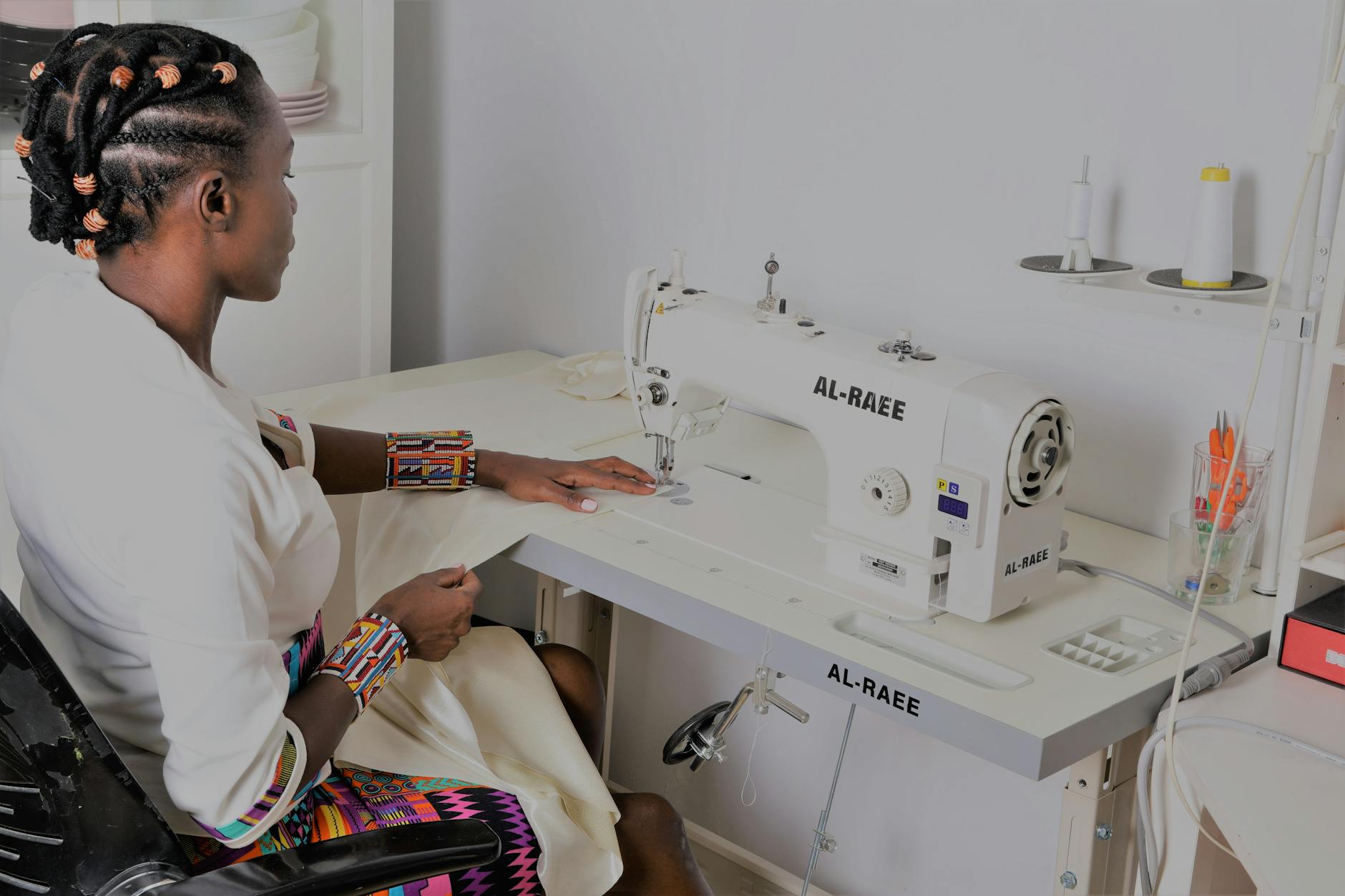
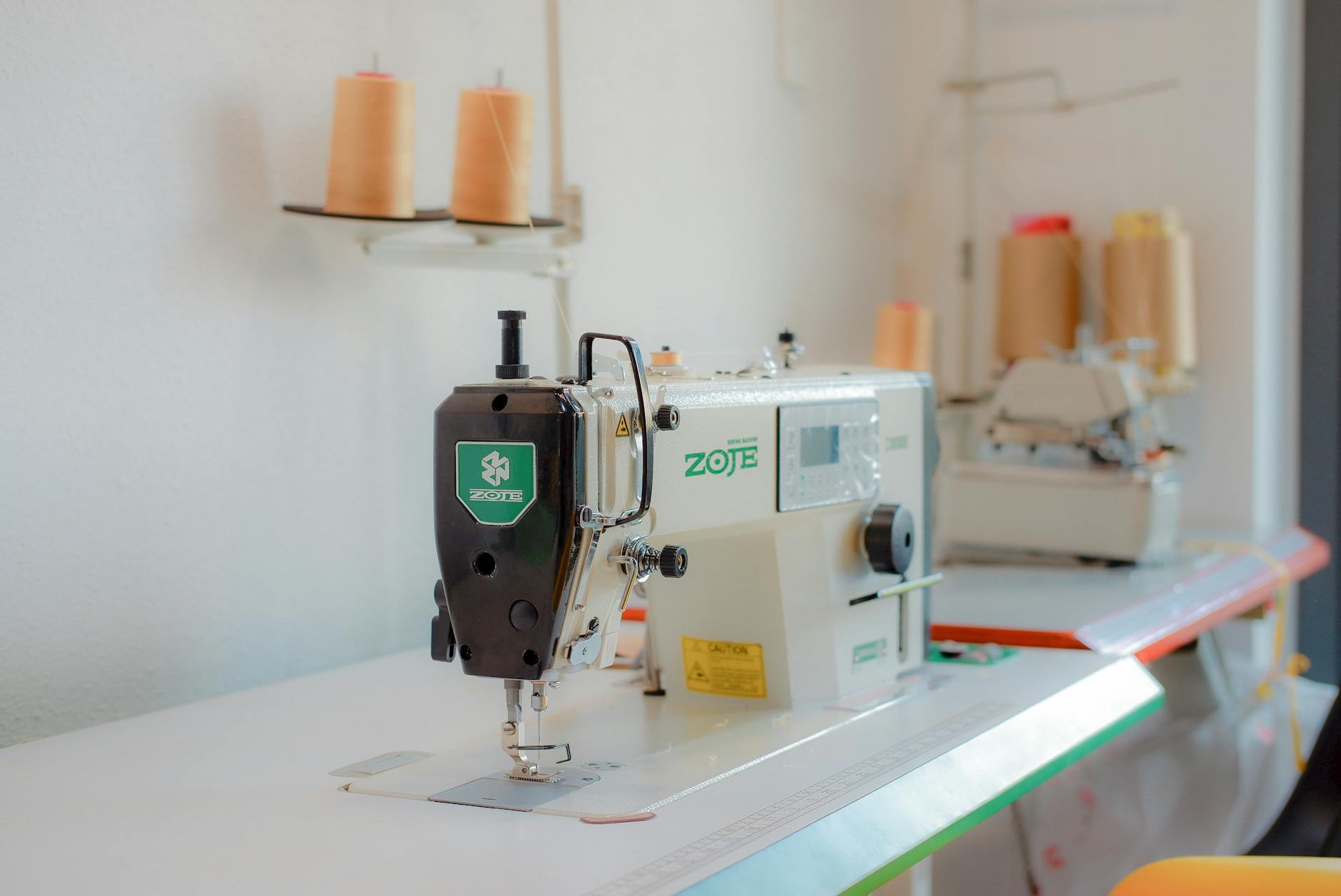
Industrial sewing machines boast robust features like high-speed stitching, automatic thread trimming, and precise stitch control, ideal for commercial-scale production in industries such as apparel manufacturing, automotive upholstery, and home furnishings.
Their durability, versatility, and automation capabilities streamline operations, maximizing efficiency and ensuring consistent, high-quality results.
Designed for heavy-duty use, these machines handle a wide range of fabrics and sewing tasks with ease, making them indispensable tools for businesses seeking to optimize productivity and meet the demands of modern manufacturing.
Electronic/Electric Sewing Machines in Ghana:
Features: Utilize electronic components for stitch selection and other functions.
Ideal for: Intermediate users, diverse sewing projects, and moderate usage.
Electric sewing machines offer convenient features such as automatic thread trimming, adjustable stitch length, and variable speed control, enhancing efficiency and precision.
Ideal for both novice and experienced sewists, these machines excel in a variety of tasks, including garment construction, quilting, home décor projects, and alterations.
With their user-friendly design and advanced functionalities, electric sewing machines streamline the sewing process, making it easier to achieve professional-quality results in less time.
Mechanical Sewing Machines in Ghana / Hand Sewing Machines in Ghana.:
Features: Operated manually with mechanical knobs and dials.
Ideal for: Beginners, basic sewing tasks, and occasional use.
Mechanical sewing machines feature manual controls for stitch selection, length, and tension adjustment. They are ideal for beginners and hobbyists due to their simplicity and affordability.
Mechanical machines are durable, reliable, and easy to maintain, making them suitable for basic sewing tasks such as garment construction, repairs, and crafting projects.
Their straightforward design and intuitive operation make them a popular choice for those looking to learn sewing skills or pursue creative endeavors without the complexity of electronic or computerized machines.
Treadle Sewing Machine in Ghana
Features: Powered by foot pedals, offer a timeless appeal and unique functionality.
Ideal for: Commercial sewing, Beginners, and Intermediate users
Treadle sewing machines, powered by foot pedals, offer a timeless appeal and unique functionality. Their manual operation provides control over stitching speed, ideal for intricate work and delicate fabrics.
With no reliance on electricity, they’re perfect for off-grid use, rural settings, or as a nostalgic addition to modern sewing spaces. Their durability, simplicity, and ability to sew through thick materials make them ideal for quilting, leatherwork, and crafting.
Treadle sewing machines also serve as a reminder of craftsmanship, offering a connection to sewing traditions and heritage.
Mini Sewing Machines in Ghana:
Features: Tiny, lightweight, and simple machines for basic stitching and minor repairs.
Ideal for: Beginners, children, and emergency repairs.
Mini Sewing Machines are compact, lightweight devices designed for portability and versatility. Despite their small size, they offer essential features such as straight and zigzag stitching capabilities, adjustable speed controls, and automatic thread winding.
Ideal for beginners, travelers, and small sewing projects, they’re perfect for quick repairs, crafting, and on-the-go sewing needs. With easy-to-use functionality and convenient storage options, Mini Sewing Machines are suitable for hobbyists, students, and anyone looking for a portable sewing solution for light-duty tasks.
Portable Sewing Machines in Ghana:
Features: Compact and lightweight for on-the-go sewing and travel convenience.
Ideal for: Beginners, students, and sewing enthusiasts with limited space.
Portable sewing machines are compact, lightweight devices designed for on-the-go sewing. They typically feature battery or electric operation, making them versatile and convenient for travel or small spaces.
Despite their size, they offer essential functions like straight and zigzag stitches, making them ideal for quick repairs, crafting, and sewing on-the-fly.
With easy setup and user-friendly controls, portable sewing machines are perfect for beginners, DIY enthusiasts, travelers, and anyone needing a compact sewing solution.
Digital Sewing Machines in Ghana:
Features: Intuitive touchscreen interfaces, programmable stitch patterns, precise stitch control.
Ideal for: Both novice and experienced sewists, they simplify complex tasks.
Digital sewing machines feature intuitive touchscreen interfaces, programmable stitch patterns, and precise stitch control. Ideal for both novice and experienced sewists, they simplify complex tasks with automatic needle threading, thread tension adjustment, and stitch selection.
These machines offer versatility for various sewing projects, including garment construction, quilting, embroidery, and decorative stitching. With advanced features like speed control, stitch elongation, and design editing, digital sewing machines empower users to unleash their creativity and achieve professional-quality results with ease.
Computerized Sewing Machines in Ghana:
Features: Equipped with advanced computer technology for precise stitching, programmable patterns, and digital displays.
Ideal for: Advanced sewists, intricate designs, quilting, and heavy usage.
Computerized sewing machines offer advanced features such as programmable stitch patterns, automatic thread tension, and touchscreen interfaces. Ideal for both beginners and experienced sewists, these machines provide precise stitching, easy customization, and intuitive operation.
With built-in memory for storing stitch designs and digital controls for adjusting settings, computerized sewing machines excel in quilting, embroidery, garment construction, and intricate sewing projects.
Their versatility, efficiency, and ease of use make them indispensable tools for hobbyists, professionals, and anyone seeking to elevate their sewing experience.
Wig Sewing Machine in Ghana:
Features: Fine needle positioning, adjustable stitch length, and tension control, precise stitching.
Ideal for: Wig manufacturers and hairstylists, this machine streamlines the wig-making process.
A Wig Sewing Machine is tailored for the intricate task of sewing hair wefts onto wig caps. With specialized features such as fine needle positioning, adjustable stitch length, and tension control, it ensures precise and durable stitching.
Ideal for wig manufacturers and hairstylists, this machine streamlines the wig-making process, enabling efficient production of high-quality wigs with seamless hair integration.
Embroidery Machines in Ghana:
Features: Specialized for decorative stitching, monogramming, and intricate designs.
Ideal for: Embroidery enthusiasts, fashion designers, and personalized crafts.
Embroidery machines are equipped with features like automatic threading, multiple needle positions, and built-in designs. Ideal for businesses in fashion, home decor, and personalized gifts, they efficiently stitch intricate designs onto fabrics, adding flair to garments, linens, and accessories.
These machines offer digitized design customization, precise stitching, and fast production speeds, making them indispensable for commercial embroiderers and hobbyists alike.
Quilting Machines in Ghana:
Features: Designed with extended arm space, stitch regulators, and specialty quilting stitches.
Ideal for: Quilters, patchwork enthusiasts, and large-scale quilting projects.
Quilting machines are specialized sewing machines designed for quilting tasks, offering features such as extended throat space, precision stitch regulation, and programmable quilting patterns.
Ideal for quilting enthusiasts, textile artisans, and commercial quilters, these machines excel at stitching intricate designs, layering fabrics, and creating quilted textures with speed and accuracy.
Whether it’s crafting heirloom quilts, home decor projects, or large-scale production runs, quilting machines provide the tools and versatility needed to bring creative visions to life with ease and efficiency.
Serger Machines in Ghana (Overlockers):
Features: Create professional seams, hems, and edges with multiple threads and blades.
Ideal for: Seam finishing, garment construction, and creating stretchy seams.
Serger machines, also known as overlock machines, are designed for finishing fabric edges, creating seams, and decorative stitching. Key features include multiple threads (usually 3-5), differential feed for smooth stitching on various fabrics, and built-in knife for trimming edges as stitches are formed.
Ideal for garment construction, sergers produce professional-looking seams, hems, and decorative effects on knitwear, activewear, lingerie, and more. Their ability to sew, trim, and finish edges simultaneously makes them indispensable for achieving clean and durable finishes in a wide range of sewing projects.
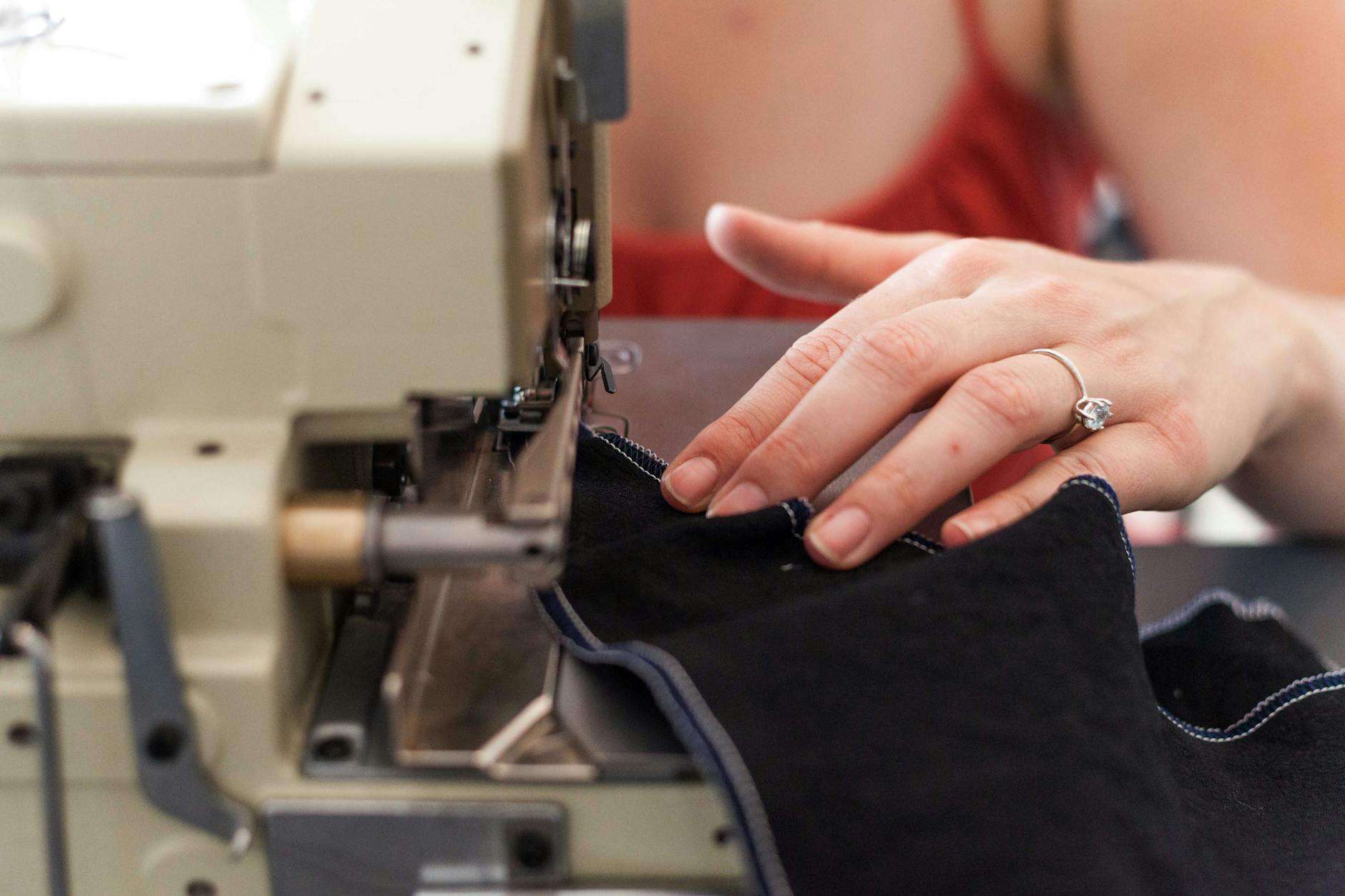
Overlock machines, also known as sergers, are versatile industrial sewing machines ideal for finishing raw edges, seaming knitwear, and creating decorative effects.
They use multiple threads to sew, trim, and enclose fabric edges simultaneously, resulting in neat and professional-looking seams. Overlock machines are equipped with differential feed mechanisms to prevent stretching or puckering of fabrics, making them suitable for a wide range of materials, including knits, woven fabrics, and stretch fabrics.
With adjustable stitch width, length, and tension settings, overlock machines offer flexibility and precision, making them essential tools for garment manufacturing, upholstery, and home sewing projects.
Coverstitch Machines in Ghana:
Features: Produce professional hems, cuffs, and necklines with parallel stitching and differential feed.
Ideal for: Apparel construction, knit fabrics, and finishing edges.
A Coverstitch Machine is designed for creating professional-looking hems, seams, and decorative stitching on knitwear and stretch fabrics.
Its key features include the ability to produce a double or triple row of stitching on the top side of the fabric, with a looper thread on the underside for a stretchy, flat seam.
Ideal for sewing activewear, sportswear, lingerie, and other stretchy garments, the Coverstitch Machine excels in hemming, binding, and topstitching applications, providing durability and flexibility for high-quality finished products.
Cylinder-bed Sewing Machines in Ghana:
Features: Narrow cylindrical arm for sewing cylindrical or tubular items like cuffs, sleeves, and bags.
Ideal for: Tailoring, garment construction, and small accessories.
Cylinder-bed sewing machines feature a cylindrical bed that allows for easier maneuvering of tubular or cylindrical workpieces, such as sleeves, cuffs, and other curved seams.
This unique design enables seamless stitching around cylindrical objects, intricate details, and hard-to-reach areas. Ideal for garment construction, leatherwork, and upholstery, cylinder-bed machines offer precise stitching and enhanced versatility, making them indispensable tools for sewing professionals working with three-dimensional and contoured fabrics.
Flat-bed Sewing Machines in Ghana:
Features: Flat surface for sewing flat fabrics and large items like garments and quilts.
Ideal for: General sewing tasks, dressmaking, and home decor projects.
Flat-bed sewing machines feature a flat surface for stitching, ideal for sewing flat pieces of fabric such as garments, quilts, and upholstery. They offer precise stitching control and visibility, making them suitable for intricate sewing tasks like topstitching, edge stitching, and decorative stitching.
These machines come with a variety of stitch options, including straight stitch, zigzag, and decorative stitches, and are equipped with features like automatic thread trimming, needle positioning, and thread tension adjustment for efficient and professional results. Flat-bed sewing machines are essential for garment manufacturing, quilting, home sewing, and upholstery applications.
Free-arm Sewing Machines in Ghana:
Features: Removable extension table for sewing cylindrical items and small pieces like sleeves and cuffs.
Ideal for: Hemming, mending, and small sewing projects.
Free-arm sewing machines feature a narrow, cylindrical extension beneath the sewing bed, allowing users to sew cylindrical items like sleeves, cuffs, and pant legs effortlessly.
Ideal for garment construction, alterations, and crafts, these machines offer enhanced maneuverability and precision in tight spaces. Their compact design makes them suitable for home sewing enthusiasts, quilters, and fashion designers seeking versatility and ease of use.
Heavy-duty Sewing Machines in Ghana:
Features: Robust construction, powerful motors, and ability to sew through thick fabrics and multiple layers.
Ideal for: Upholstery, leatherwork, and heavy-duty sewing tasks.
Heavy-duty sewing machines are designed for sewing thick, heavy fabrics and materials such as denim, canvas, leather, and upholstery. These machines feature powerful motors, robust construction, and reinforced mechanisms to handle tough sewing tasks with ease.
Ideal for professional seamstresses, DIY enthusiasts, and businesses in industries like upholstery, automotive, and marine, heavy-duty sewing machines offer features like high-speed stitching, adjustable presser foot pressure, extra-wide sewing beds, and multiple layers stitching capability, ensuring reliable performance and durability for demanding sewing projects.
Handheld Sewing Machines in Ghana:
Features: Compact, battery-operated devices for quick repairs and stitching on the go.
Ideal for: Travelers, emergencies, and small sewing tasks.
Handheld sewing machines are compact, portable devices ideal for on-the-go repairs and small projects. Featuring battery or electric-powered operation, they offer convenience and versatility for quick stitching tasks.
With easy-to-use controls and lightweight design, they’re suitable for beginners, travelers, and DIY enthusiasts. Though not suitable for heavy-duty projects, they excel at hemming, mending, and sewing lightweight fabrics like clothing, curtains, and linens.
Handy for emergencies or crafting on the fly, handheld sewing machines provide a convenient solution for minor sewing needs.
Blind Stitch Machines in Ghana:
Features: Specialized for creating nearly invisible hems on garments.
Ideal for: Apparel construction, professional-looking finishes, and formal wear.
Blind stitch sewing machines are equipped with a unique blind stitch capability, creating nearly invisible hems ideal for garments, curtains, and draperies.
These machines utilize a specialized stitch formation that conceals stitches on the outer fabric surface, creating a clean and professional finish.
Ideal for tailoring shops, clothing alterations, and home sewing enthusiasts, blind stitch machines offer precision, efficiency, and versatility for hemming tasks where seam visibility is undesirable. With adjustable settings and user-friendly controls, they provide an efficient solution for achieving flawless, inconspicuous hems on a variety of fabrics.
Buttonhole Machines in Ghana:
Features: Automate the process of creating buttonholes with precision and consistency.
Ideal for: Garment manufacturing, tailoring, and projects requiring multiple buttonholes.
Buttonhole machines are specialized industrial sewing machines designed for creating precise and consistent buttonholes. They feature automatic cutting, bartacking, and programming for various buttonhole sizes and shapes.
Ideal for garment manufacturers, tailors, and textile industries, these machines ensure efficient production of high-quality buttonholes on a wide range of fabrics, including denim, wool, and synthetic materials.
With their speed, accuracy, and versatility, buttonhole machines streamline the buttonhole-making process, enhancing productivity and delivering professional results.
Zigzag Machines in Ghana:
Features: Stitch in a zigzag pattern, ideal for decorative stitching, appliqué, and stretch fabrics.
Ideal for: Embellishments, mending, and versatile sewing tasks.
Zigzag machines feature a versatile stitch pattern that moves the needle in a zigzag motion, ideal for sewing stretch fabrics, reinforcing seams, and creating decorative effects. These machines offer adjustable stitch width and length, allowing for customization to suit various applications.
Ideal for garment manufacturing, upholstery, embroidery, and decorative stitching, zigzag machines excel at creating durable and flexible seams on a wide range of materials, making them indispensable tools in the textile and sewing industry.
Walking Foot Machines in Ghana:
Features: Evenly feed multiple layers of fabric, ideal for quilting, leatherwork, and upholstery.
Ideal for: Thick fabrics, slippery materials, and preventing fabric shifting.
A Walking Foot Machine, equipped with a walking foot mechanism, ensures even feeding of fabric layers, making it ideal for handling thick, bulky, or slippery materials. This feature prevents fabric shifting and puckering, resulting in precise and consistent stitches.
Commonly used in upholstery, leatherwork, quilting, and heavy-duty sewing applications, it excels in tasks requiring precise alignment and smooth stitching on challenging fabrics like leather, canvas, vinyl, and multiple layers of fabric.
The walking foot’s ability to handle thick materials with ease makes it indispensable for projects demanding durability, strength, and professional-quality finishing.
Multi-needle Machines in Ghana:
Features: Have multiple needles for simultaneous stitching, increasing productivity and efficiency.
Ideal for: Embroidery, quilting, and projects requiring intricate details.
Multi-needle machines feature multiple needles working simultaneously, enabling efficient and precise stitching for various applications. Ideal for quilting, embroidery, and decorative stitching, these machines offer versatility and speed, allowing for intricate designs and patterns on fabrics.
With adjustable spacing between needles, they accommodate different fabric thicknesses and textures, making them suitable for a wide range of projects in industries such as apparel, home decor, and automotive upholstery. Multi-needle machines excel in producing intricate designs, patterns, and textures with exceptional speed and accuracy.
Combination Machines in Ghana:
Features: Combine multiple functionalities such as sewing, embroidery, and quilting in one unit.
Ideal for: Versatile sewists, saving space, and diverse sewing projects.
Combination machines integrate multiple sewing functions into one unit, offering versatility and space-saving benefits. Typically combining features such as overlock, coverstitch, and chainstitch capabilities, these machines are ideal for small workshops, home-based businesses, or hobbyists seeking a compact yet multifunctional sewing solution.
With the ability to perform various stitching techniques on different fabrics, combination machines are suitable for a wide range of sewing projects, including garment construction, quilting, and crafting. Their ease of use and flexibility make them an excellent choice for sewists looking to maximize efficiency and creativity in limited space.
In view of all listed above, selecting the right sewing machine involves considering factors like skill level, intended use, features, and budget. Whether you’re a beginner or an experienced sewist, there’s a sewing machine tailored to your needs. By understanding the diverse types available and their unique features, you can confidently choose the perfect sewing companion to bring your creative visions to life.
29 Other Sewing Machines Types You Can Find in Ghana for Sale
Longarm Quilting Machines in Ghana:
Features: Extended sewing area for quilting large projects like bedspreads and tapestries.
Ideal for: Quilters, professional seamstresses, and large-scale quilting operations.
Longarm quilting machines feature extended sewing arms, typically ranging from 18 to 30 inches, providing ample space for quilting large projects. They offer features such as stitch regulation for consistent stitch length, adjustable speed control, and precision stitching modes.
Ideal for quilters seeking efficiency and versatility, longarm quilting machines excel at quilting intricate designs, free-motion quilting, and edge-to-edge quilting on quilts of all sizes.
They offer ease of maneuverability, allowing for smooth quilting motions and enabling quilters to create stunning quilted masterpieces with professional results.
Tape Edge Machines in Ghana:
Features: Specifically designed for attaching fabric panels to mattress edges, creating a tailored finish.
Ideal for: Mattress manufacturing, upholstery, and furniture production.
Tape Edge Machines are specialized industrial sewing machines used for attaching fabric tape to mattresses, creating a neat and durable edge finish.
Features include adjustable speed control, automatic fabric cutting, and precise tape alignment mechanisms. Ideal for mattress manufacturers, these machines ensure consistent and professional edge finishing, increasing productivity and quality in mattress production.
Bartack Machines in Ghana:
Features: Create reinforced stitches, commonly used for securing buttonholes, pockets, and seams.
Ideal for: Apparel manufacturing, outdoor gear, and industrial sewing applications.
Bartack machines specialize in creating reinforced stitches, known as bartacks, that strengthen areas of stress on garments and textiles. These machines offer precise stitch formation, adjustable stitch length, and automatic thread trimming.
Ideal for industries requiring durable seams, such as apparel manufacturing, automotive upholstery, and outdoor gear production, bartack machines ensure the longevity and reliability of sewn products.
Post-bed Sewing Machines in Ghana:
Features: Vertical column behind the needle, allowing for sewing cylindrical or bulky items.
Ideal for: Shoe making, leatherwork, and upholstery.
Post-bed sewing machines feature a raised, vertical column behind the needle, allowing easier access to hard-to-reach areas such as shoe uppers, bags, and other three-dimensional items.
Ideal for intricate stitching on curved or bulky materials, these machines excel in shoe and leather goods manufacturing, upholstery, and automotive interiors.
Their versatility and maneuverability make them essential for crafting complex designs and precise seams on items with irregular shapes, contributing to efficient production processes and high-quality finished products.
Eyelet Buttonhole Machines in Ghana:
Features: Automate the process of creating eyelet buttonholes with precise stitching and reinforcement.
Ideal for: Garment manufacturing, outerwear, and accessories.
An Eyelet Buttonhole Machine is designed for precise and efficient creation of buttonholes with eyelets, enhancing garment functionality and aesthetics. Its automatic operation ensures consistent stitch quality and accurate buttonhole sizing, while built-in sensors detect fabric thickness for seamless performance on various materials.
Ideal for garment manufacturers, tailors, and textile industries, this machine streamlines production processes, increases productivity, and delivers professional-quality buttonholes suitable for a wide range of apparel applications.
Fur Sewing Machines in Ghana:
Features: Specialized for sewing fur and other thick, bulky materials with precision and strength.
Ideal for: Furriers, coat makers, and leather craftsmen.
Fur sewing machines are specialized for handling thick and bulky materials like fur, leather, and faux fur. They feature powerful motors and heavy-duty components to effortlessly stitch through multiple layers.
Adjustable presser foot pressure and feed mechanisms ensure smooth and even stitching on irregular surfaces. Ideal for furriers, leatherworkers, and fashion designers, these machines excel in creating luxurious outerwear, accessories, and home décor items with precision and durability.
Whether crafting coats, hats, or plush blankets, fur sewing machines offer the reliability and performance needed for professional-grade fur sewing projects.
Carpet Sewing Machines in Ghana:
Features: Heavy-duty machines designed for stitching carpet seams and binding edges.
Ideal for: Carpet manufacturing, installation, and repair.
Carpet sewing machines are designed for stitching heavy-duty materials such as carpets, rugs, and upholstery. They feature robust construction, high-speed stitching capabilities, and specialized needle systems to handle thick fabrics with ease.
These machines often come equipped with features such as adjustable stitch length, walking foot mechanisms, and extra-large bobbins to ensure smooth and consistent stitching.
Ideal for carpet manufacturers, upholstery workshops, and textile industries, carpet sewing machines streamline production processes, enhance efficiency, and deliver professional-quality seams on a wide range of heavy textiles.
Zigzag Hemming Machines in Ghana:
Features: Hemming machines equipped with zigzag stitching capabilities for stretch fabrics and decorative finishes.
Ideal for: Apparel manufacturing, sportswear, and lingerie.
A Zigzag Hemming Machine is designed for precise and efficient hemming of fabric edges using zigzag stitches. Its adjustable settings allow for varying stitch lengths and widths, accommodating different fabric types and hemming requirements.
Ideal for garment manufacturing, home textile production, and upholstery work, this machine produces clean and durable hems on a wide range of materials, including woven and stretch fabrics. Its versatility and ease of use make it an essential tool for seamstresses, tailors, and manufacturers seeking professional-quality hem finishes.
Tacker Machines in Ghana:
Features: Perform repetitive stitching tasks such as tacking labels, tags, and emblems onto garments.
Ideal for: Apparel production, branding, and labeling.
Tacker machines are specialized industrial sewing machines designed for attaching labels, patches, or decorative elements to fabric quickly and securely. They feature a fast stitching speed, precise needle positioning, and automatic thread trimming for efficient operation.
Tacker machines are ideal for garment manufacturing, apparel branding, and textile finishing processes where the accurate and reliable attachment of labels or embellishments is essential. Their versatility and high-speed performance make them indispensable tools in industries such as fashion, sportswear, and promotional merchandise production.
Ribbon and Tape Edge Sewing Machines in Ghana:
Features: Specifically designed for attaching ribbons, tapes, and trims to fabric edges.
Ideal for: Garment embellishment, decorative sewing, and crafts.
Ribbon and Tape Edge Sewing Machines are specialized industrial sewing machines designed for attaching ribbons, tapes, and trims to fabric edges.
They feature adjustable guides and feed mechanisms to ensure precise placement and uniform stitching. Ideal for manufacturers of bedding, mattresses, upholstery, and textiles, these machines streamline edge-finishing processes, enhance product aesthetics, and improve durability.
With their ability to handle a variety of materials and trim widths, Ribbon and Tape Edge Sewing Machines offer versatility and efficiency in a wide range of applications, from decorative accents to functional reinforcements.
Glove Sewing Machines in Ghana:
Features: Precision machines for sewing gloves, mittens, and other handwear with accuracy and speed.
Ideal for: Glove manufacturers, specialty clothing brands, and costume designers.
Glove sewing machines are specialized tools designed for efficiently stitching gloves and other small fabric items. They typically feature a compact design, precise stitching capabilities, and specialized attachments for handling delicate materials.
Ideal for manufacturers producing gloves for various industries, including medical, sports, fashion, and industrial applications, these machines offer fast and accurate stitching, ensuring high-quality finished products.
With adjustable settings and user-friendly controls, glove sewing machines are essential for streamlining production processes and meeting the demands of today’s market for precision-made gloves.
Carpet Overedge Binding Machines in Ghana:
Features: Bind carpet edges with overedge stitching, providing durability and a finished appearance.
Ideal for: Carpet manufacturing, rug making, and upholstery.
Carpet Overedge Binding Machines are designed for finishing carpet edges with precision and durability. Featuring heavy-duty construction and adjustable settings, they securely bind carpet edges to prevent fraying and enhance longevity.
Ideal for carpet manufacturers, rug makers, and upholstery professionals, these machines offer versatility in handling various carpet thicknesses and materials.
With efficient overedging capabilities and reliable performance, Carpet Overedge Binding Machines ensure professional-quality finishes for carpets, rugs, and upholstery projects, meeting the rigorous demands of industrial production environments.
Bag Closing Machines in Ghana:
Features: Seam and close bags with efficiency, using specialized stitching techniques for different bag materials.
Ideal for: Packaging, agriculture, and textile industries.
Bag closing machines are specialized industrial sewing machines designed for closing filled bags, such as those used in packaging bulk materials like grains, flour, or animal feed.
They feature high-speed stitching capabilities, automatic thread cutting, and reliable seam reinforcement, ensuring secure and efficient bag closure. Ideal for industries like agriculture, food processing, and manufacturing, bag closing machines streamline packaging operations, improve productivity, and maintain product integrity.
With adjustable settings for different bag sizes and materials, they offer versatility and precision, making them essential equipment for large-scale bagging operations.
Collar Turning Machines in Ghana:
Features: Automate the process of turning shirt collars, cuffs, and other garment components inside out for finishing.
Ideal for: Shirt manufacturing, tailoring, and apparel production.
A Collar Turning Machine is designed to streamline the process of turning collars on garments, ensuring uniformity and efficiency. Features include adjustable speed control, precise collar positioning, and automatic turning mechanisms.
Ideal for garment manufacturers, tailors, and textile factories, it significantly reduces manual labor and enhances productivity. With its ability to handle various collar sizes and types, this machine optimizes the production of shirts, blouses, jackets, and other apparel items, providing a seamless solution for turning collars with precision and consistency.
Pocket Setter Machines in Ghana:
Features: Set and attach pockets to garments with precision and consistency, reducing manual labor.
Ideal for: Apparel manufacturing, denim production, and uniform sewing.
Pocket Setter Machines automate the insertion of pockets into garments, streamlining production and ensuring precise pocket placement. These machines typically feature adjustable pocket size settings, automatic pocket folding, and precise stitching capabilities.
Ideal for apparel manufacturers, these machines are suitable for a wide range of garments, including pants, jackets, shirts, and skirts. They help reduce labor costs, increase productivity, and maintain consistent pocket quality, making them indispensable tools for high-volume clothing production.
Elastic Attaching Machines in Ghana:
Features: Attach elastic bands to fabric edges or seams with specialized stitching techniques.
Ideal for: Activewear, lingerie, and swimwear production.
Elastic attaching machines are specialized industrial sewing machines designed to seamlessly attach elastic bands to fabric, creating stretchable seams for garments such as underwear, swimwear, activewear, and lingerie.
These machines feature adjustable settings for precise tension control, ensuring consistent and secure attachment of elastic materials. Ideal for high-volume production environments, elastic attaching machines streamline the sewing process, enhance product quality, and accommodate a wide range of fabric types and elastic widths.
With their efficiency and reliability, they are indispensable tools for manufacturers seeking to meet the demands of stretchwear production with precision and consistency.
Label Sewing Machines in Ghana:
Features: Seamlessly attach woven or printed labels to garments and textile products with accuracy.
Ideal for: Branding, garment finishing, and quality control.
Label sewing machines are specialized devices designed for attaching labels to garments, textiles, and other products. They feature precise stitching capabilities, adjustable stitch lengths, and programmable settings for optimal performance.
These machines often include automatic thread trimming, needle positioning, and tension adjustment features, ensuring consistent and professional results.
Ideal for textile manufacturers, garment factories, and apparel brands, label sewing machines streamline production processes, enhance product branding, and ensure accurate labeling for retail distribution.
Rope Sewing Machines in Ghana:
Features: Sew ropes, cords, and braided materials onto fabric surfaces for decorative or functional purposes.
Ideal for: Marine industry, upholstery, and outdoor gear manufacturing.
Rope sewing machines are specialized equipment designed for stitching and reinforcing ropes and heavy-duty materials. They feature heavy-duty construction, high-speed stitching capabilities, and specialized needle and thread configurations to handle thick ropes with ease.
Ideal for industries such as marine, construction, and outdoor gear manufacturing, rope sewing machines are perfect for creating strong and durable seams in products like sails, tents, hammocks, safety harnesses, and industrial ropes.
With their robust build and precise stitching, they ensure reliable performance in demanding applications where strength and durability are essential.
Beading Machines in Ghana:
Features: Embellish fabric surfaces with beads, sequins, and decorative elements using specialized sewing techniques.
Ideal for: Couture fashion, costume design, and haute couture.
A Beading Machine automates the process of attaching beads and sequins to fabric, enhancing garments and textiles with intricate embellishments. Its features typically include adjustable bead spacing, precise alignment, and high-speed operation.
Ideal for fashion designers, bridal wear manufacturers, and upholstery specialists, Beading Machines offer efficient and precise beadwork, reducing production time and ensuring consistent quality in decorative applications.
Rope-making Machines in Ghana:
Features: Produce ropes and cords from various materials such as cotton, nylon, and synthetic fibers.
Ideal for: Rope manufacturers, marine industry, and outdoor recreation.
Rope-making machines are equipped with multiple strands, typically three or more, that twist together to form a durable rope. They feature adjustable speed controls for precise twisting and tension settings, ensuring consistent rope quality.
These machines are ideal for industries requiring strong and uniform ropes, such as maritime, construction, agriculture, and sports. With their ability to produce ropes of various materials and thicknesses, rope-making machines cater to a wide range of applications, including ship rigging, towing, fencing, and climbing.
Picot Edging Machines in Ghana:
Features: Create decorative picot edges on fabric or lace, adding texture and visual interest to garments and textiles.
Ideal for: Lingerie, bridal wear, and heirloom sewing.
A Picot Edging Machine creates decorative picot edges on fabric, adding intricate detail to garments, linens, and textiles. It features a specialized stitching mechanism that produces evenly spaced scalloped edges, enhancing the aesthetic appeal of finished products.
Ideal for lingerie, children’s clothing, handkerchiefs, and decorative trimmings, the Picot Edging Machine offers versatility and precision, enabling manufacturers to elevate the visual appeal of their creations with ease.
Piping Machines in Ghana:
Features: Seamlessly insert piping into fabric seams for decorative or structural purposes with precision and speed.
Ideal for: Upholstery, home decor, and garment embellishment.
A piping machine is designed to automatically attach piping or corded edges to fabric, enhancing the aesthetic appeal and durability of sewn products. Features include adjustable piping width, automatic feeding, and precise stitching for consistent results.
Ideal for upholstery, garment manufacturing, and home decor, piping machines streamline production processes and ensure professional-quality finishes. They excel in applications such as sewing cushions, pillows, upholstery, and garments where decorative or reinforced edges are desired.
Sofa Sewing Machines in Ghana:
Features: Heavy-duty machines for sewing upholstery, cushions, and furniture covers with strength and durability.
Ideal for: Furniture manufacturing, upholstery shops, and interior design.
Sofa sewing machines are designed with features such as extended arm lengths, heavy-duty construction, and specialized stitching capabilities to accommodate the large and heavy fabrics used in upholstery projects.
These machines often feature powerful motors, adjustable presser foot pressure, and multiple stitch options to ensure precise and durable seams on thick materials.
Ideal for furniture manufacturers, upholsterers, and home decor businesses, sofa sewing machines streamline the process of constructing sofas, armchairs, and other upholstered furniture pieces with efficiency and professional-quality results.
Banding Machines in Ghana:
Features: Attach fabric bands or trims to garment edges or seams for decorative or functional purposes.
Ideal for: Apparel production, uniform sewing, and craft projects.
Banding machines apply decorative or protective bands to products. Key features include automatic band feeding, adjustable band tension, and precise cutting mechanisms.
They’re ideal for packaging industries, adding branding, securing products, or bundling items like brochures, boxes, or promotional materials. Banding machines offer efficient, uniform, and aesthetically pleasing banding solutions for various industries requiring fast and reliable packaging solutions.
Leather Belt Sewing Machines in Ghana:
Features: Stitch leather belts and straps with precision and strength, using specialized needles and stitching techniques.
Ideal for: Leather goods manufacturing, accessories, and equestrian equipment.
Leather Belt Sewing Machines are specialized industrial machines designed for stitching leather belts with precision and durability. They feature heavy-duty construction, capable of handling thick leather materials with ease.
With adjustable stitch length, automatic thread trimming, and powerful motors, these machines ensure consistent and high-quality stitching. Ideal for leather goods manufacturers, upholstery workshops, and craftsmen.
Leather Belt Sewing Machines streamline production processes, offering efficient and reliable solutions for creating stylish and durable leather belts for fashion, accessories, and industrial applications.
Spooling Machines in Ghana:
Features: Wind thread onto spools or bobbins with speed and consistency, ensuring smooth sewing operations.
Ideal for: Textile mills, thread manufacturers, and sewing machine servicing.
Spooling machines are essential tools in textile manufacturing, efficiently winding threads onto spools for seamless production processes. They feature adjustable tension control to ensure uniform winding, reducing the risk of thread breakage and tangling.
Ideal for industries such as apparel manufacturing, upholstery, and automotive textiles, spooling machines optimize efficiency, enhance productivity, and maintain consistent thread quality.
Their compact design and user-friendly operation make them suitable for various production environments, providing essential support for high-volume sewing operations.
Plastic Bag Making Machines in Ghana:
Features: Manufacture plastic bags with customized dimensions, designs, and features using automated sewing processes.
Ideal for: Packaging industry, retail, and food services.
Plastic bag making machines are equipped with features like automatic feeding, sealing, and cutting, streamlining the production process. They handle various types of plastic films efficiently, offering adjustable bag sizes and thicknesses.
Ideal for industries requiring mass production of plastic bags, such as packaging, retail, and food service, these machines ensure high-speed production with consistent quality.
Additionally, their versatility allows for customization of bag designs, closures, and printing options to meet specific customer requirements. With their advanced automation and precision, plastic bag making machines offer a cost-effective solution for businesses seeking efficient packaging solutions.
T-shirt Bag Making Machines in Ghana:
Features: Produce T-shirt-shaped plastic bags from rolls of polyethylene film, using automated cutting and sewing processes.
Ideal for: Retail, grocery stores, and merchandise packaging.
T-shirt bag making machines are designed for efficiently producing T-shirt bags, commonly used in retail and grocery stores. These machines feature automatic feeding, sealing, and cutting mechanisms, streamlining the bag-making process.
Ideal for manufacturers seeking high-speed production, they offer adjustable parameters for bag size and thickness, ensuring versatility. With user-friendly controls and minimal maintenance requirements, T-shirt bag making machines are ideal for businesses aiming to optimize production efficiency while meeting the demand for cost-effective and eco-friendly packaging solutions.
Ultrasonic Sewing Machines in Ghana:
Features: Seam and bond fabrics together using ultrasonic technology, eliminating the need for needles and thread.
Ideal for: Technical textiles, non-woven fabrics, and industries requiring waterproof or airtight seams.
Ultrasonic sewing machines utilize high-frequency vibrations to bond fabrics together without the need for thread or adhesive. Ideal for non-woven fabrics, thermoplastics, and delicate materials, they offer precise and efficient sealing, cutting, and embossing capabilities.
With no needle or thread, they reduce material waste and eliminate the risk of stitch marks, making them perfect for industries such as medical textiles, filtration, automotive, and apparel, where clean, strong, and hermetically sealed seams are essential. Ultrasonic sewing machines excel in applications requiring speed, accuracy, and superior bonding strength, revolutionizing the way fabrics are joined and processed.
In Conclusion:
The world of sewing machines is as diverse and dynamic as the projects they create. From the simplicity of mechanical machines to the precision of computerized models, and from the versatility of handheld devices to the power of industrial workhorses, each type of sewing machine offers unique features and capabilities tailored to specific needs and applications.
Whether you’re a novice sewist, a seasoned professional, or an industrial manufacturer, there’s a sewing machine suited to your skill level, preferences, and project requirements.
By understanding the myriad options available and their respective functionalities, you can select the perfect sewing machine to bring your creative visions to life with precision, efficiency, and craftsmanship.